
Torre Fiumicelli
Puglia · Salento · Adriatic Sea · Otranto

Torre Fiumicelli

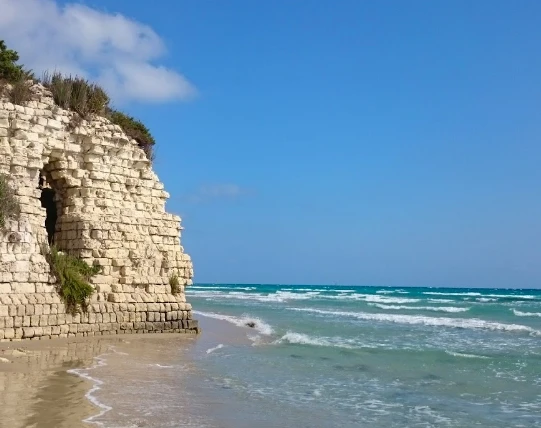
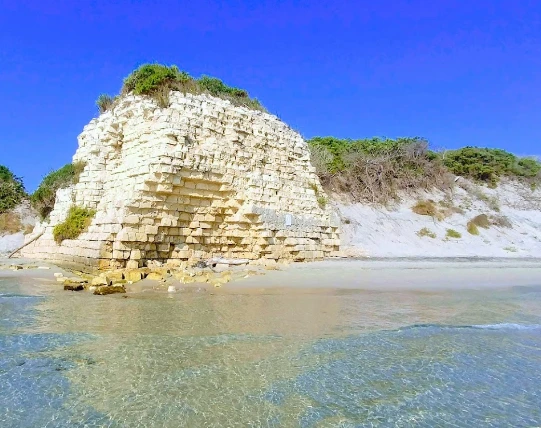
A sandy stretch between Alimini and Frassanito marked by the remains of a 16th-century coastal watchtower. After a new partial collapse in March 2026, the ruins must be viewed only from outside the 30-metre safety zone.

Torre Fiumicelli: what to know before you go

The beach remains a striking part of Alimini, but the ruins are no longer just a photo backdrop. Coastal erosion and collapses make the safety perimeter essential.

Sandy beach with dunes and Mediterranean vegetation

This sector belongs to the long Alimini beach, where sand, dunes and vegetation replace the high cliffs found elsewhere on the Adriatic coast.

Good to know

Wind and storms can reshape the shoreline, so old photos are not a fixed map.

A coastal watchtower dating from 1582

Built in carparo stone with a square plan and truncated-pyramid base, the tower was constructed in 1582 by Martino Cajzza under governor Ferdinando Caracciolo for lookout and signalling.

Historical context

Treat it as a fragile monument: view it from a distance and never climb or lean on it.

Advertisement

15 March 2026: another partial collapse

Coastal erosion and storms caused a further section of Torre Fiumicelli to fail. The ruins had already suffered previous collapses.

Key update

Photos taken before 2026 may show masonry that is no longer standing.

30-metre safety zone around the ruins

After the March 2026 collapse, approaching within a 30-metre safety perimeter was prohibited for public safety.

On site

Respect barriers and signs even if other visitors go closer.

The tower is also a marker of coastal erosion

It was built on a dune and now stands almost at sea level, only metres from the shore. Waves and shoreline retreat have progressively exposed the structure.

Avoid unstable masonry

Stay outside the perimeter and never shelter beside damaged walls.

Dunes and woodland are habitat, not shortcuts

Dunes, scrub and wooded areas lie behind the beach. Fire-prevention rules prohibit driving or parking cars on unpaved roads within wooded areas.

Protect the dunes

Use established paths and never park or place equipment on the dune ridge.

Sandy seabed, but variable depth

Entry can be gradual on sandy sections, but it is not correct to promise shallow water for long distances: currents and storms reshape sandbars and hollows.

With children

Check the exact entry point each visit.

Families: a good beach, but stay far from the ruins

Sand and space can suit families in calm conditions. The tower area has a specific collapse hazard and is not a play zone.

Practical choice

Set up well outside the safety perimeter in a section with easy sea entry.

Adriatic conditions can change quickly

Calm days can bring clear water and easy sandy entry, while onshore wind and storms can increase waves and currents.

Before swimming

Watch conditions and avoid the water if return to shore looks difficult.

Access through the Alimini coast

The area is reached from the coastline between Alimini and Frassanito, with the final approach normally on foot along the beach and paths through dune vegetation.

Avoid improvised access

Do not drive into wooded areas or create new tracks through dunes.

Parking: authorised areas only

Otranto regulates parking and municipal paid parking operates from 1 April to 31 October. This does not mean there is a dedicated space beside Torre Fiumicelli.

Summer

Arrive early and expect a walk from authorised parking.

Services exist along Alimini, not beside the ruins

Beach clubs and seasonal businesses operate along the wider shore, but the free section at Torre Fiumicelli should not be described as having guaranteed bars, toilets, showers, hire or assistance.

Come prepared

Bring water, sun protection and what you need for a free-beach day.

Accessibility: do not assign it to the tower sector

The municipality lists JOB beach chairs at a free Alimini section near 2 Laghi. We found no equivalent confirmed assisted access specifically at Torre Fiumicelli.

Verified alternative

If assisted bathing is needed, check the 2 Laghi area and confirm seasonal availability.

Crowding: the long beach helps, but August is busy

The long shoreline spreads visitors better than a small cove, yet easy-access sections and areas near beach clubs can still be crowded.

For more space

Come early and choose a quieter sector without entering protected habitat.

Snorkelling is possible, but the seabed is mainly sandy

Calm conditions can be pleasant for mask-and-snorkel swimming, particularly near occasional rock. This is not primarily a rocky snorkelling cove.

Caution

Stay near shore and away from ruins or fallen masonry.

The Alimini Lakes are the inland landscape, not the same beach

The resort takes its name from the basins behind dunes and pinewood. Sea, dunes, lakes and woodland form one landscape with different rules and accesses.

During your visit

Use authorised paths and keep wetland visits separate from sea bathing.

A monument to protect, not a selfie point to reach

The ruins are part of the 16th-century coastal defence system. Their historical value remains even though erosion has changed their appearance.

Best photo

Use zoom from outside the safety perimeter.

Best for

Couples, families using a safe section away from the ruins, long beach walks, coastal photography and history.

Main appeal

Sand, dunes and coastal heritage in one distinctive Alimini setting.

Less suitable for

Anyone wanting to touch or explore the ruins, park beside the towel, rely on full services in the free sector or expect shelter in rough sea.

Alternative

Choose an equipped Alimini sector for services and view Torre Fiumicelli from a safe distance.

What to bring

Water, sunscreen, hat, towel, light footwear for the approach and a mask if you want to swim.

Essential

Respect dunes and the safety perimeter and take all rubbish away.

Historical photos may show the ruins before the 2026 collapses; current conditions on site always take priority.

Book a beach umbrella

Beach clubs and bathing establishments linked to this location.

Visit other beaches in the same seaside resort (Alimini)

Alimini Beach, Baia dei Turchi and the Sant’Andrea sea stacks continue the route between sand, dunes and rocky coast.

Salentissimo.it

Services near Torre Fiumicelli

Choose a service and view all available businesses and information on its dedicated page.

Continue along the coast

Return to Alimini or continue towards Baia dei Turchi and Conca Specchiulla.

Frequently asked questions about Torre Fiumicelli

Practical answers about the tower, 2026 collapse, beach, children, access, parking and safety.

Is Torre Fiumicelli directly on the beach?
Yes. The ruins stand on the sandy shore between Alimini and Frassanito, almost at sea level.
When was it built?
The regional heritage record dates it to 1582 and names Martino Cajzza as the builder under governor Ferdinando Caracciolo.
What happened in 2026?
In March 2026 another section collapsed after prolonged coastal erosion and storm action.
Can you approach the tower?
A 30-metre safety perimeter was imposed after the collapse. Follow all current barriers and signs.
Is the beach sandy?
Yes. It is part of the long sandy Alimini shoreline with dunes behind it.
Is the seabed always shallow?
No. It can slope gradually, but depth and sandbars change with currents and storms.
Is it suitable for children?
It can be in a safe sandy section and calm sea, but children and beach gear must stay well outside the ruins safety zone.
Where can I park?
Use authorised parking in the Otranto area. No parking is guaranteed beside the tower, and parking on unpaved woodland tracks is prohibited.
Are there bars, toilets and showers?
There are seasonal businesses along Alimini, but they are not guaranteed facilities of the free tower sector.
Is there assisted access for disabled visitors?
We found no confirmed assisted access at the tower. The municipality instead lists JOB chairs at a free beach near 2 Laghi.
Can I photograph the ruins?
Yes, from outside the safety perimeter. Never cross barriers for a closer photo.