How this selection of Puglia's Salento was created
Salento forms the southern part of Puglia. Seeking a balance between the Ionian coast, the Adriatic coast, sandy beaches, cliffs and natural pools, this selection combines places that appear most often in travel guides and travellers’ preferences with some of the most distinctive locations featured by Salentissimo.it.
This is not an absolute ranking: the order follows an ideal journey along the coast, from the Ionian side towards the tip of Leuca and then northwards along the Adriatic.
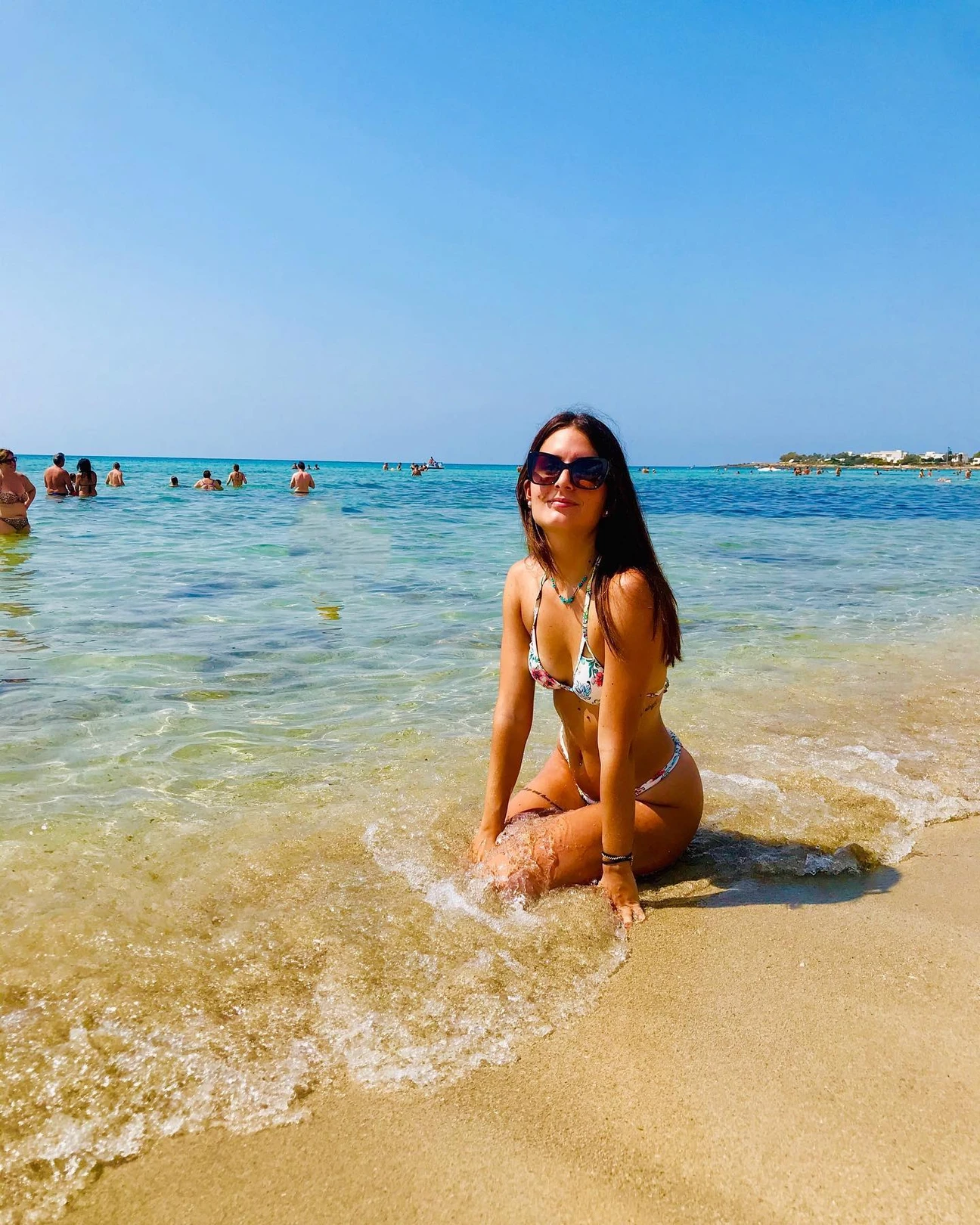
Punta Prosciutto
Dunes, pale sand and a long stretch of sea in vivid shades make Punta Prosciutto one of the symbols of Salento’s Ionian coast. Why we chose it It is one of the places most frequently featured in travel guides and travellers’ preferences. Torre Lapillo · Porto Cesareo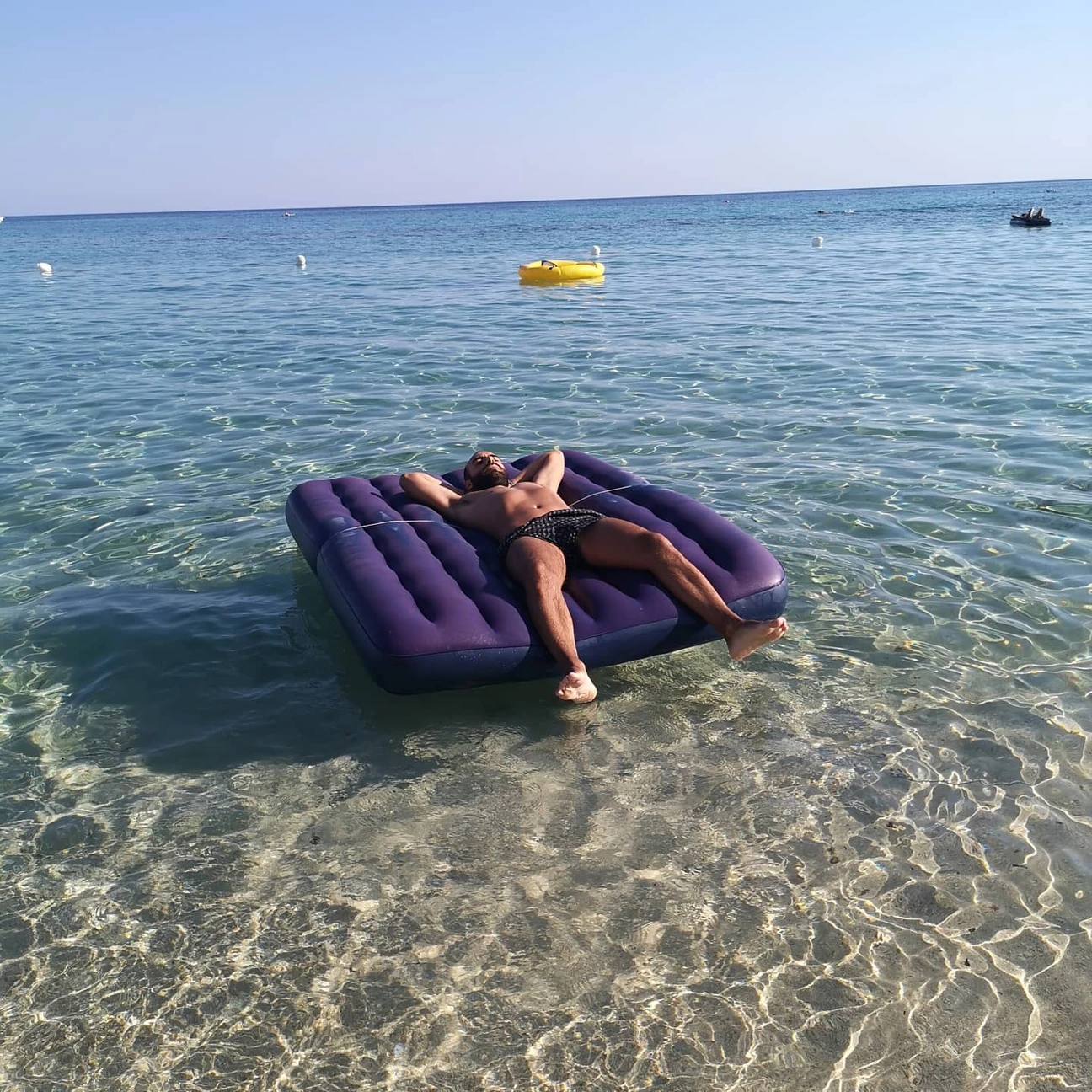
Torre Lapillo
A wide sandy shoreline, generally shallow waters and a bright, clear sea make Torre Lapillo a good choice for family days by the water. Why we chose it It is one of the best-known and most popular beaches in the Porto Cesareo area. Porto Selvaggio · Nardò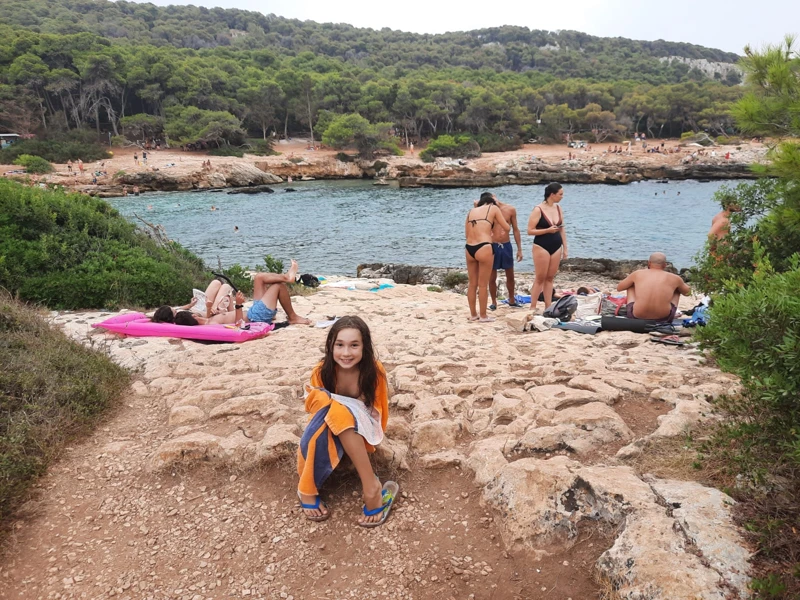
Porto Selvaggio
A sheltered bay within the natural park, reached through the pine forest and surrounded by Mediterranean vegetation and a rocky coastline. Why we chose it It brings together sea, walking and nature in one of the Ionian coast’s most recognisable landscapes. Baia Verde · Gallipoli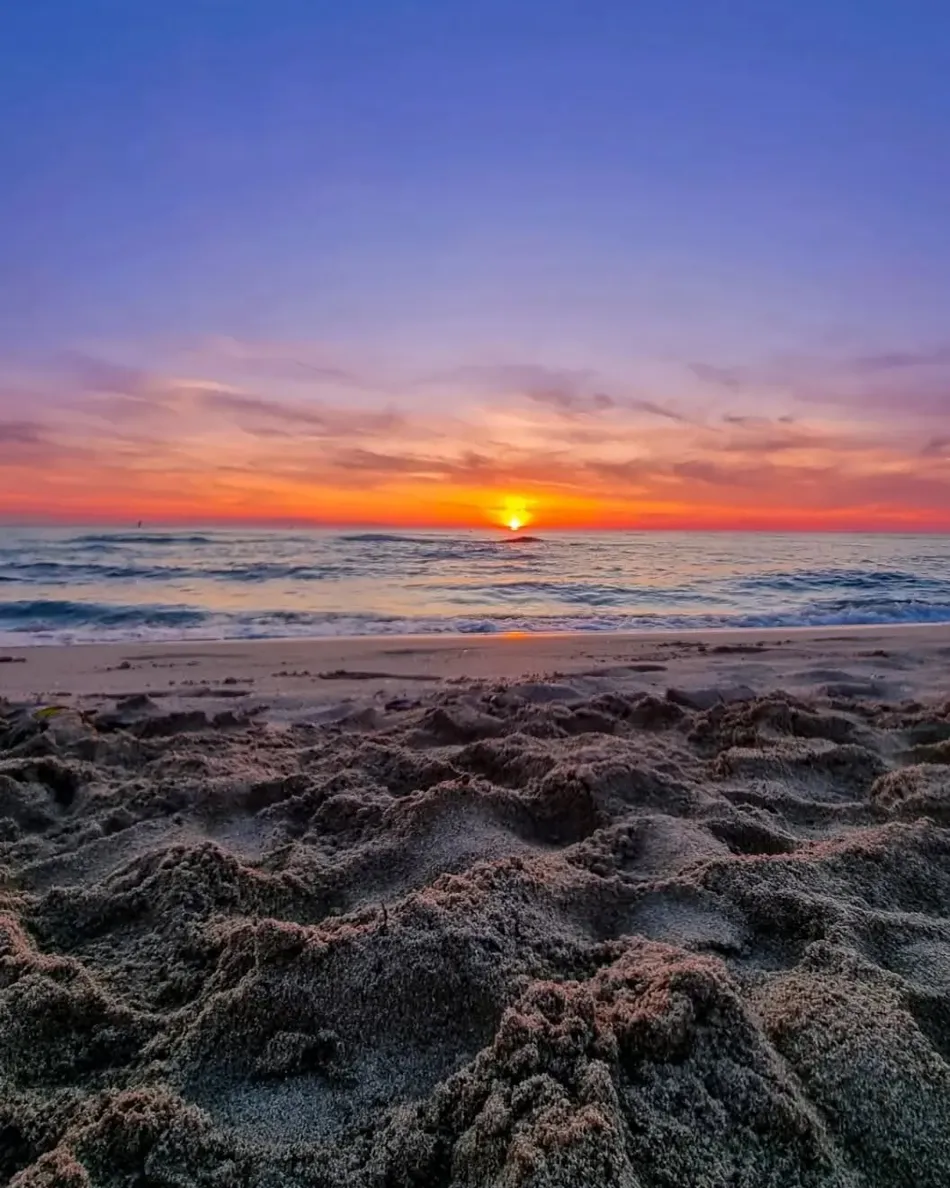
Baia Verde
A long beach south of Gallipoli, known for its pale sand, transparent sea and lively atmosphere during the summer season. Why we chose it It is one of Salento’s most popular seaside destinations and reflects the younger, livelier side of the Ionian coast. Punta della Suina · Gallipoli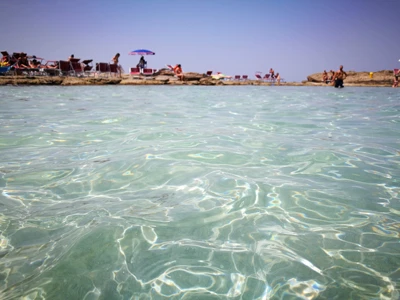
Punta della Suina
Small inlets, sandy stretches, low rocks and Mediterranean scrub create an especially striking landscape at sunset. Why we chose it It is one of the most iconic images of the sea around Gallipoli. Pescoluse · Salve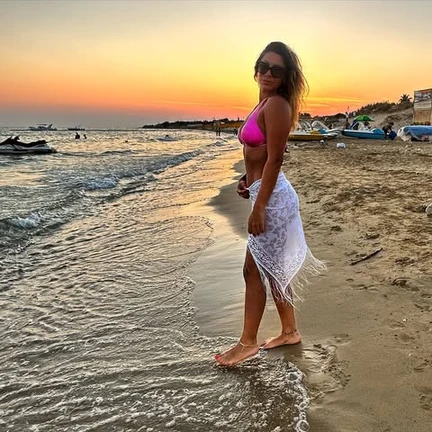
Marina di Pescoluse
Fine sand, shallow water and a bright coastline have made Pescoluse one of the best-known destinations in southern Salento. Why we chose it Known as the “Maldives of Salento”, it is a regular feature in selections dedicated to Puglia. Ciolo · Gagliano del Capo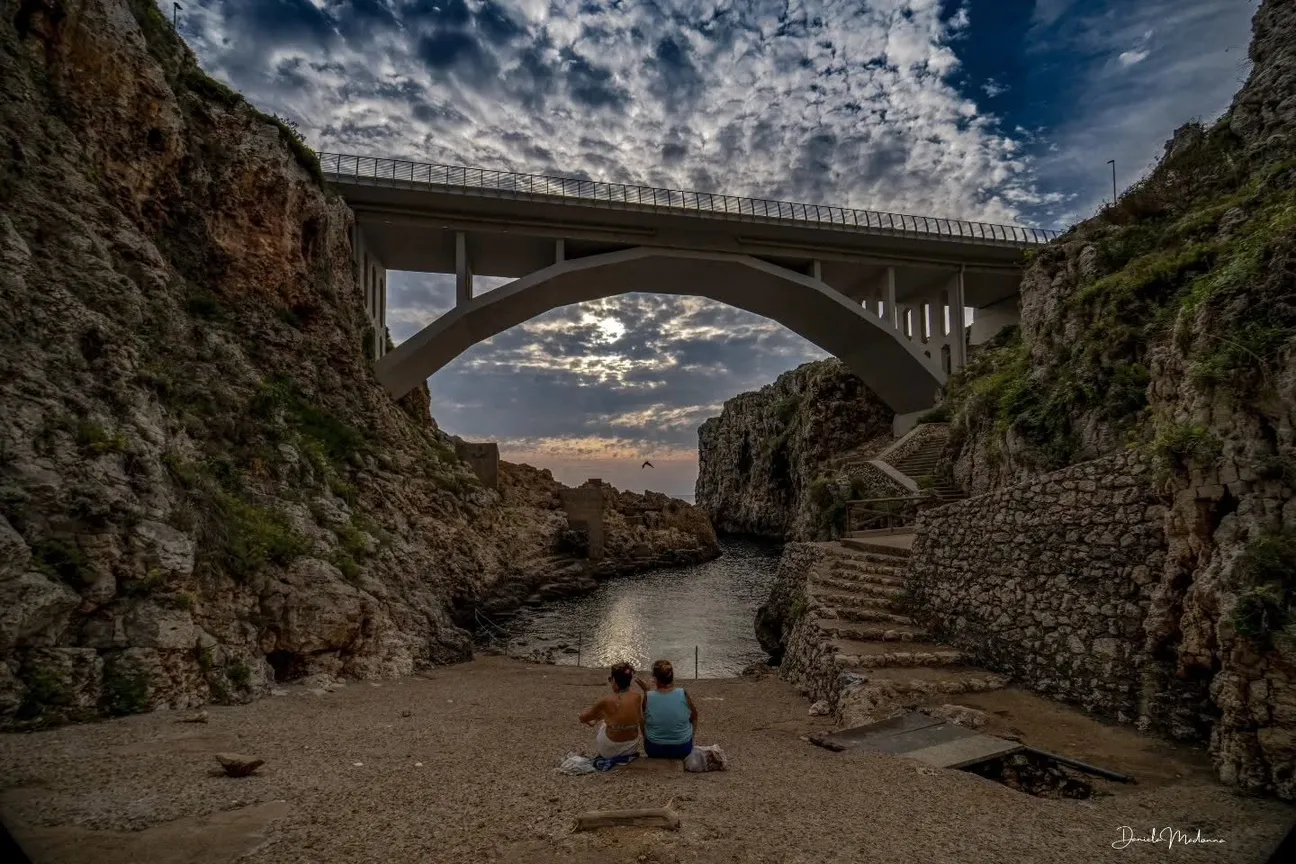
Ciolo Fjord
A deep inlet between high rock walls, crossed by the famous bridge on the coastal road. Why we chose it It marks the transition towards the Adriatic side with one of the most spectacular views around the tip of Leuca. Marina Serra · Tricase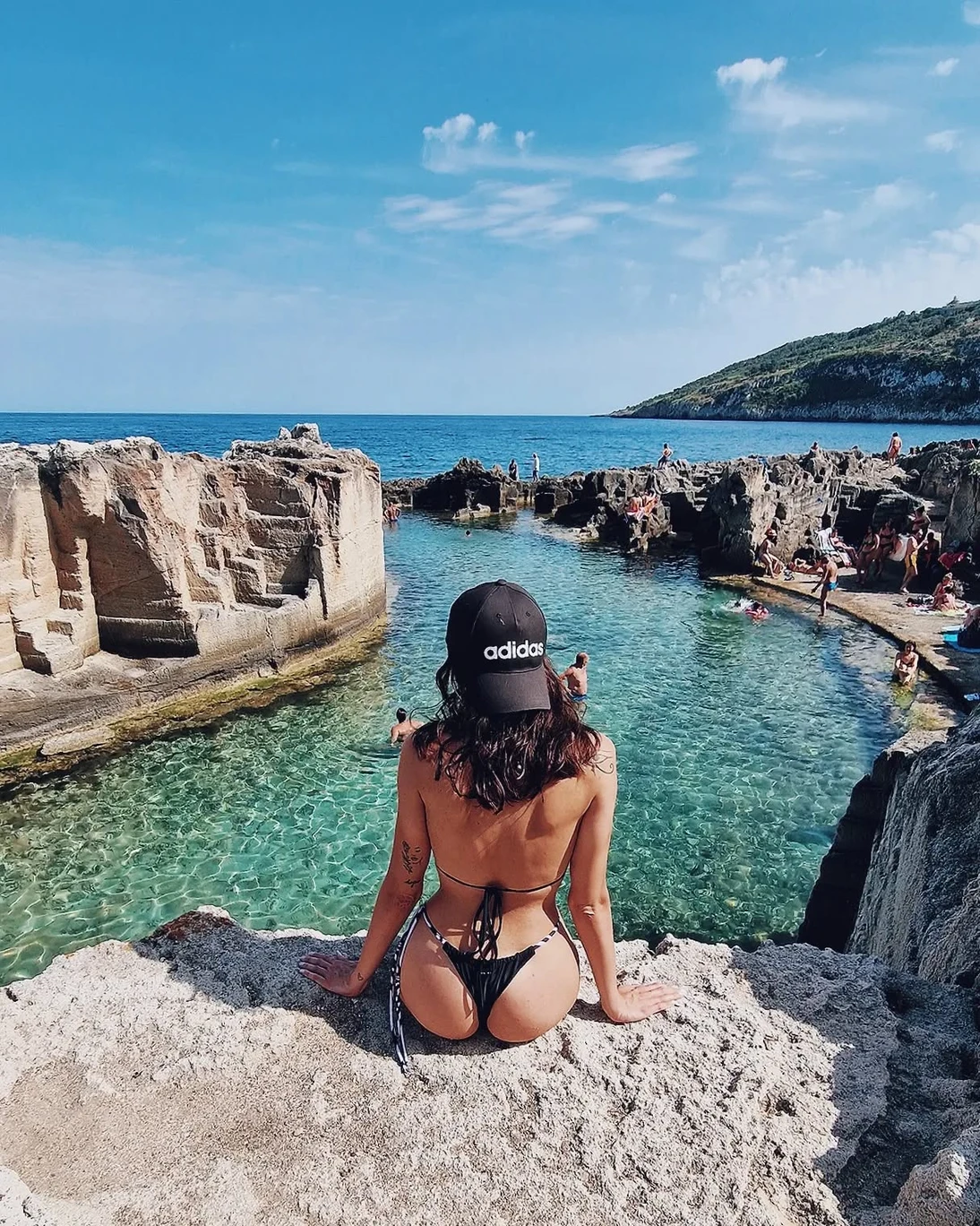
Marina Serra natural pool
The rocks shelter a natural pool connected to the sea, giving Marina Serra a unique shape and atmosphere. Why we chose it It is one of Salentissimo’s most distinctive places and perfectly represents the natural pools found along this coast. Marina di Andrano · Andrano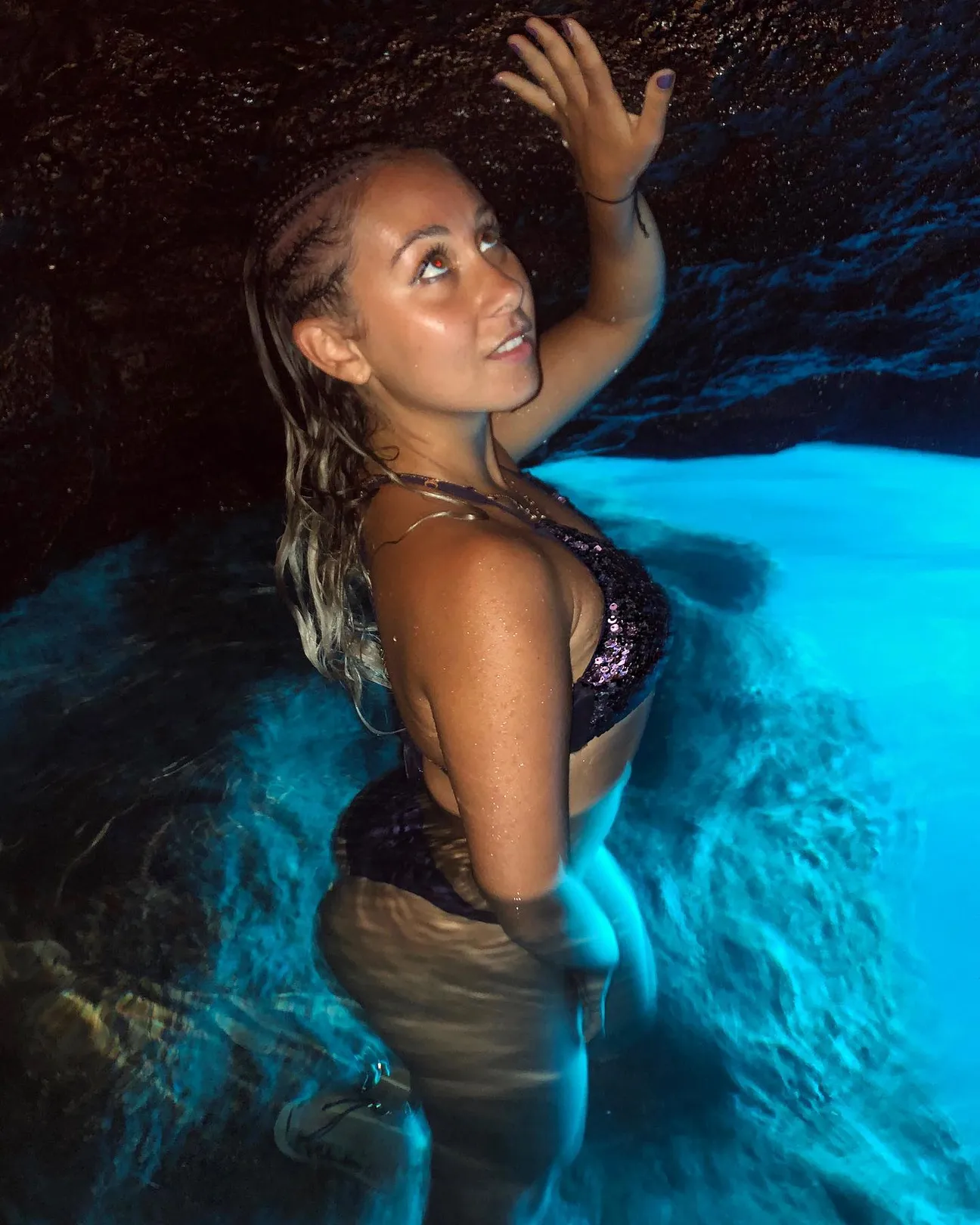
Grotta Verde
A sea cave known for the green reflections created as sunlight passes through the water and illuminates its interior. Why we chose it It adds the mysterious and luminous character of Salento’s sea caves to the selection. Marittima · Diso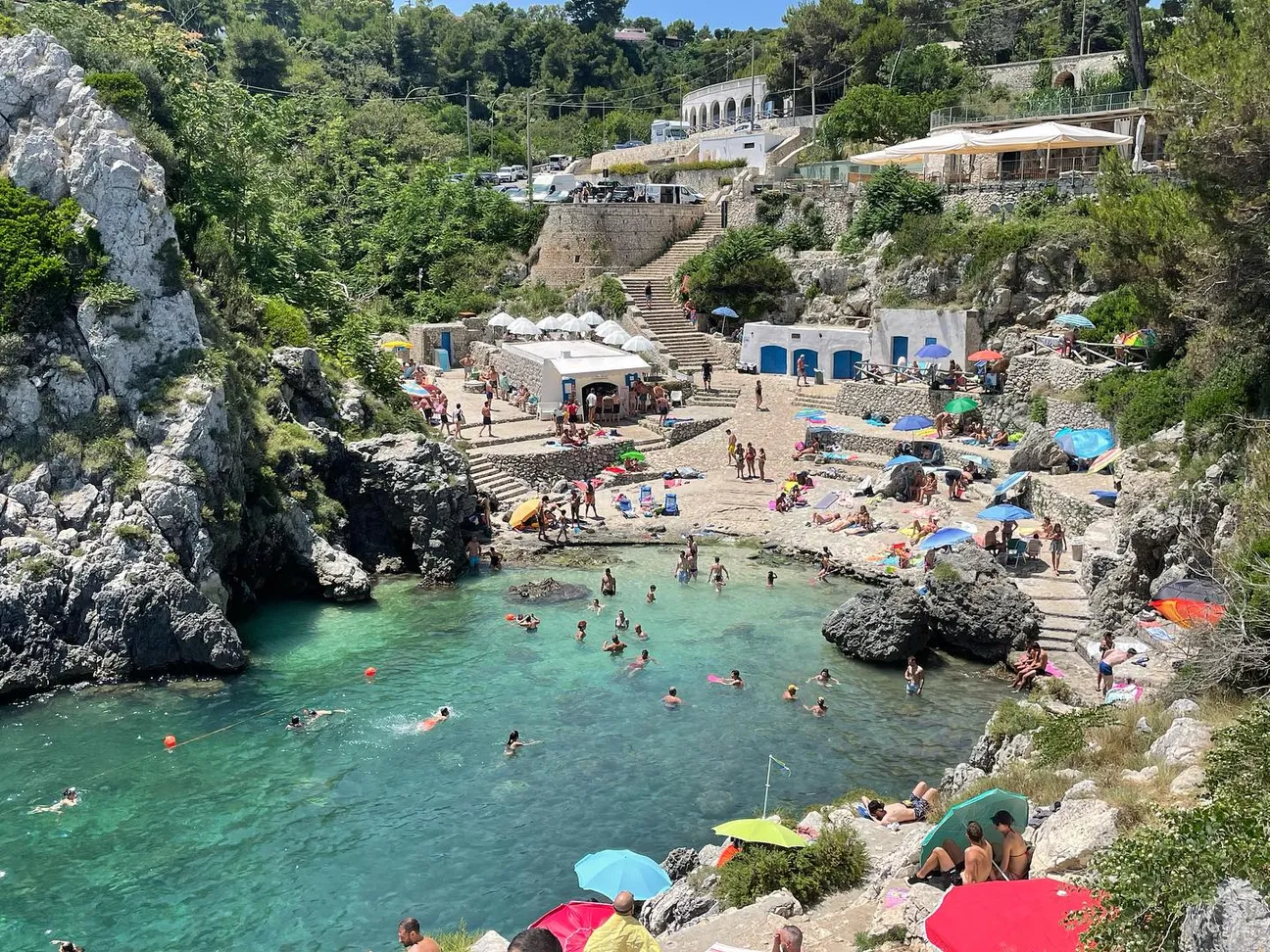
Cala dell’Acquaviva
A narrow cove set between vegetation and rock, known for its clear and especially cool water. Why we chose it It is one of the most loved small inlets among visitors looking for a sheltered, natural setting. Castro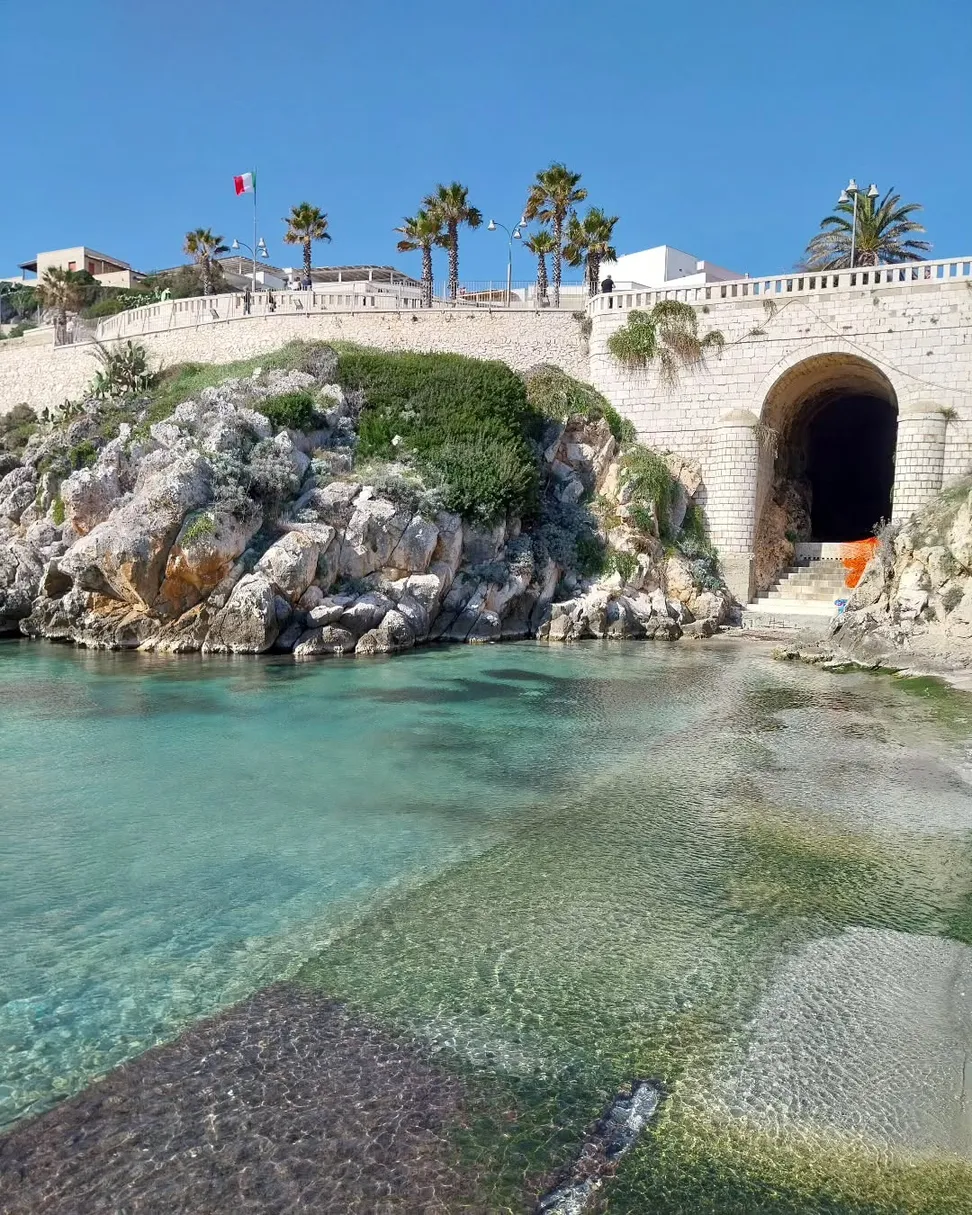
Porto di Enea
A small inlet on Castro’s coastline, enclosed between the rocks and the deep waters of the Adriatic side. Why we chose it It is a less obvious choice, included to highlight the distinctive corners also featured in Salentissimo’s editorial coverage. Castro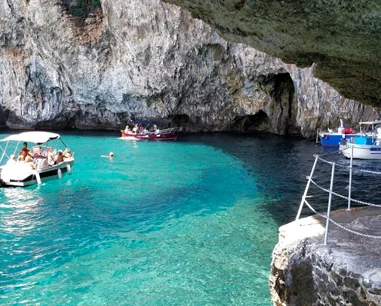
Grotta della Zinzulusa
Castro’s famous coastal cave contains underground chambers, rock formations and a dramatic entrance opening towards the sea. Why we chose it It is one of Salento’s best-known natural wonders and completes the story of Castro’s coastline. Porto Badisco · Otranto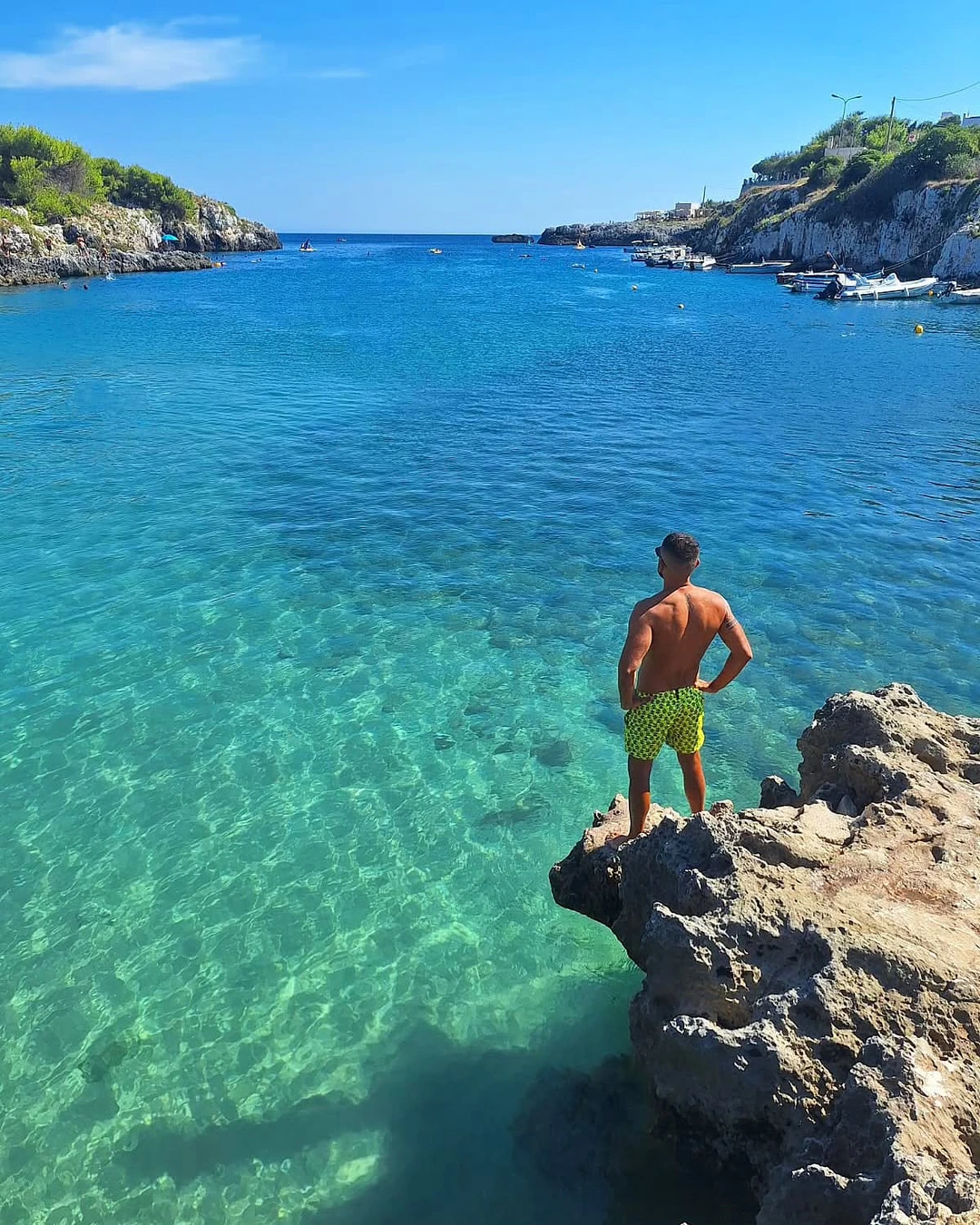
Porto Badisco
A sheltered bay on the coast between Santa Cesarea Terme and Otranto, where the rocky landscape opens into a small inlet. Why we chose it It is a historic and scenic stop frequently mentioned in guides to eastern Salento. Porto Miggiano · Santa Cesarea Terme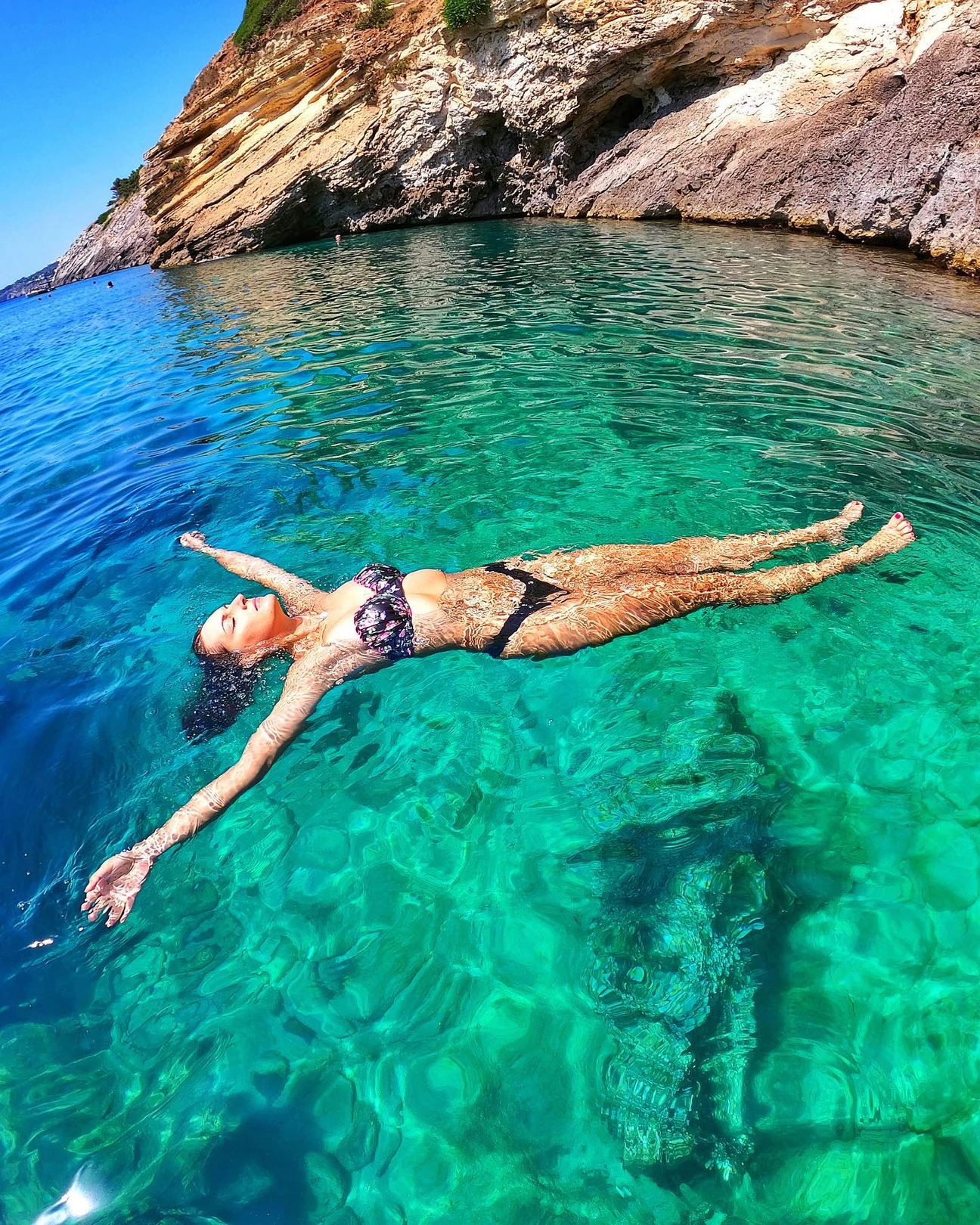
The 100 Steps Beach
A small bay at the foot of Porto Miggiano’s high cliffs, reached by a long and scenic descent. Why we chose it The view from above and the contrast between the pale rock and the sea create one of the Adriatic coast’s most striking images. Baia dei Turchi · Otranto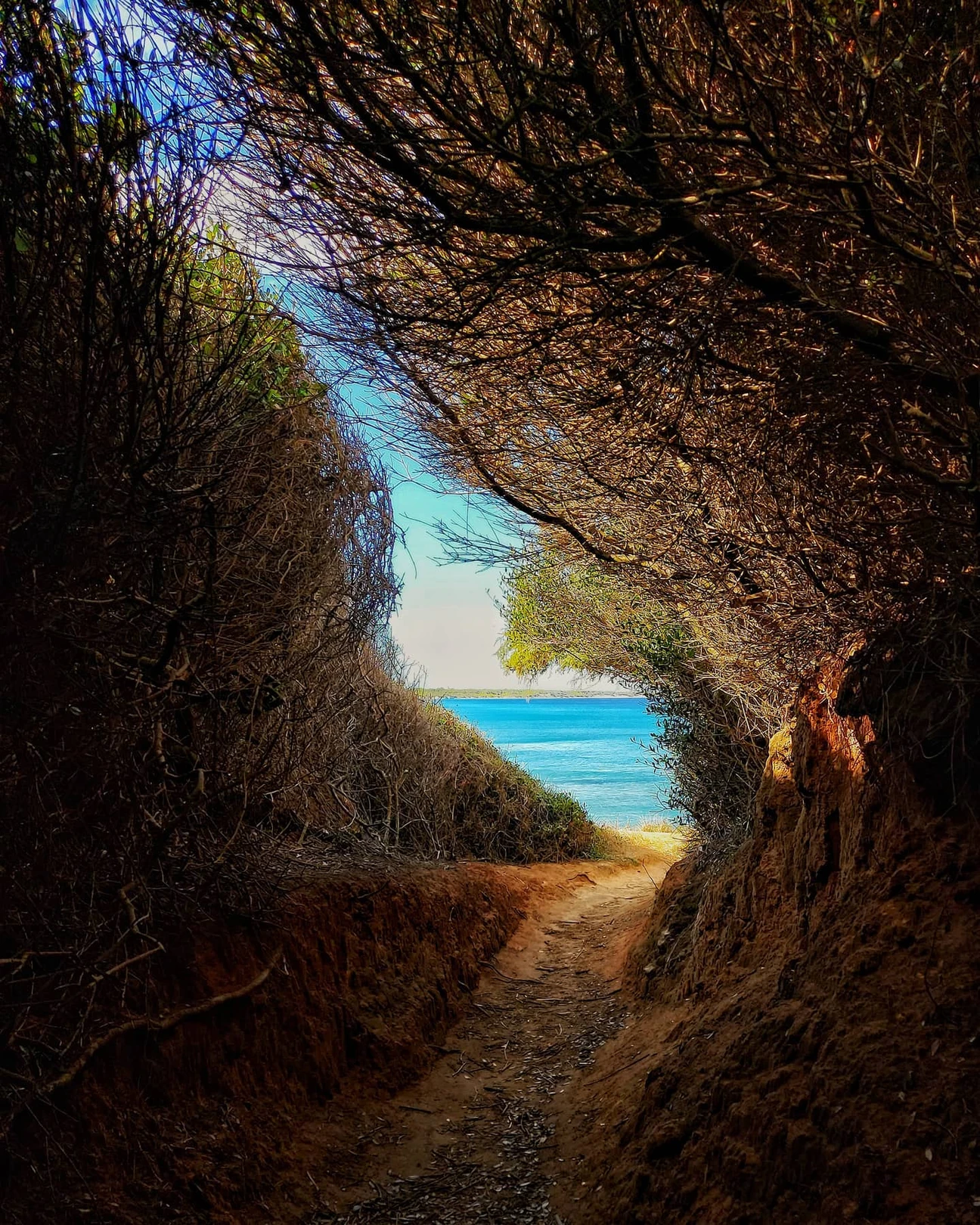
Baia dei Turchi
A bay of pale sand protected by vegetation, just north of Otranto, with a sea of vivid colours. Why we chose it It is one of Salento’s most frequently mentioned beaches and one of the most recognisable to travellers. Alimini · Otranto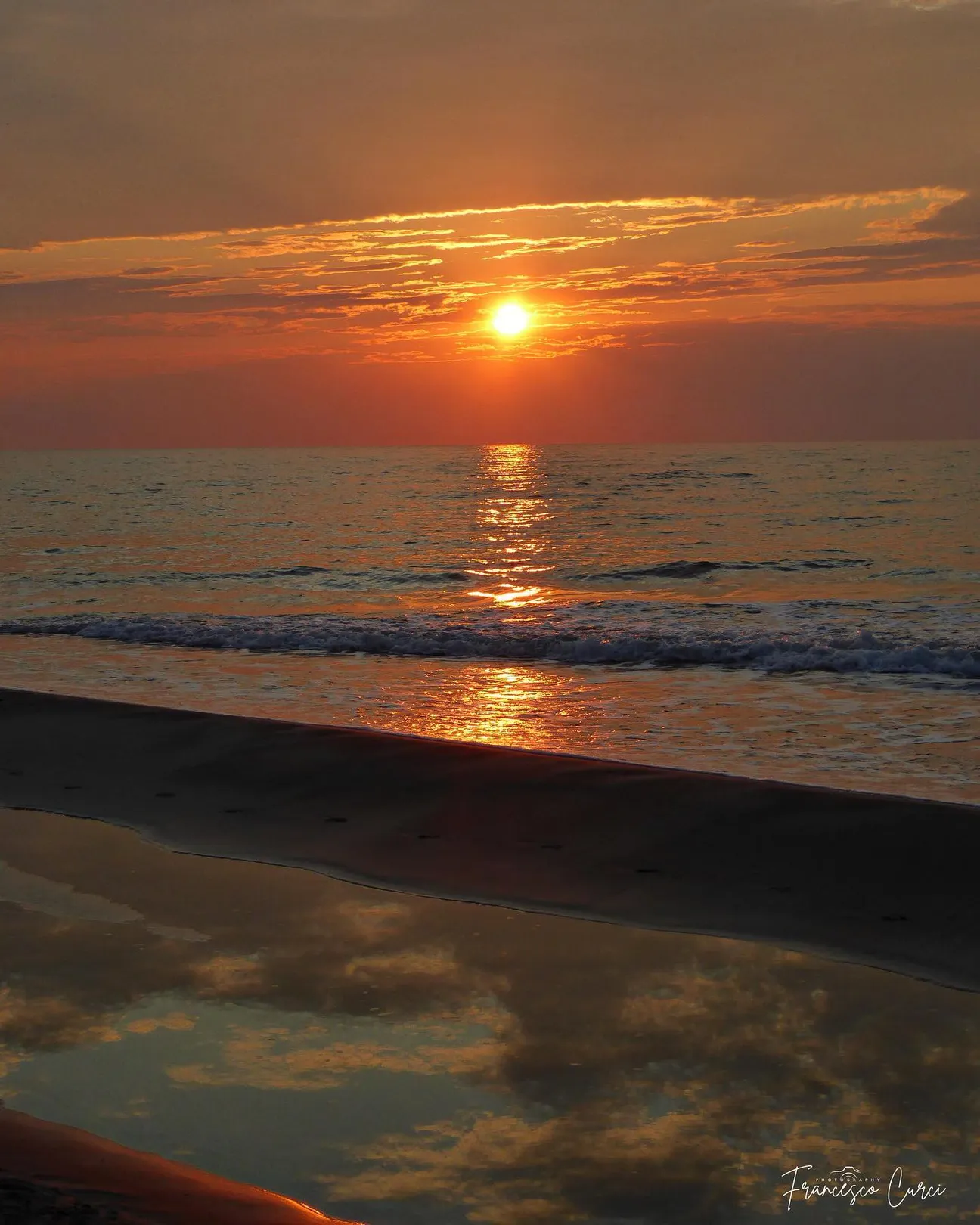
Alimini Beach
A wide sandy shoreline bordered by dunes and vegetation, close to the Alimini lakes. Why we chose it It shows a different side of the Adriatic, more open and sandy than the cliffs further south. Otranto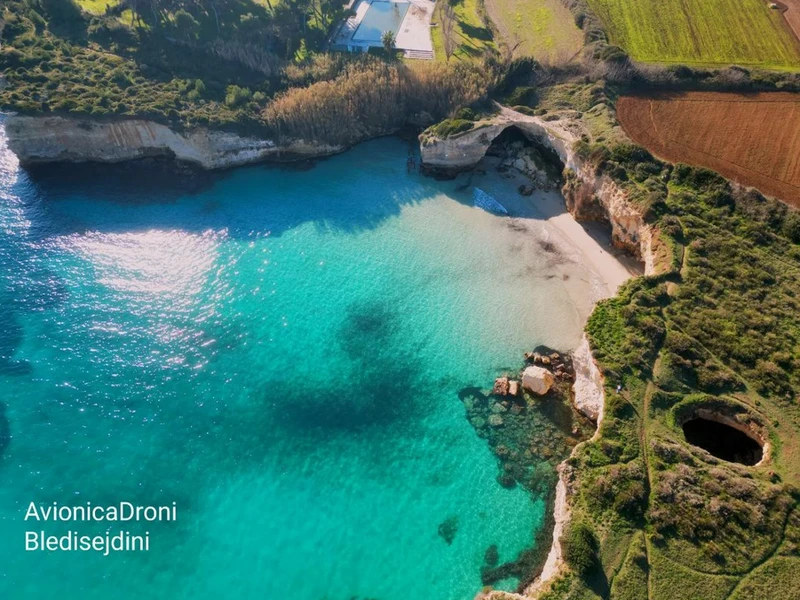
Baia del Mulino d’Acqua
A bay on the Otranto coast characterised by inlets, rocky walls and sea caves overlooking transparent water. Why we chose it It was included for its distinctive landscape, less conventional than Salento’s larger beaches. Sant’Andrea · Melendugno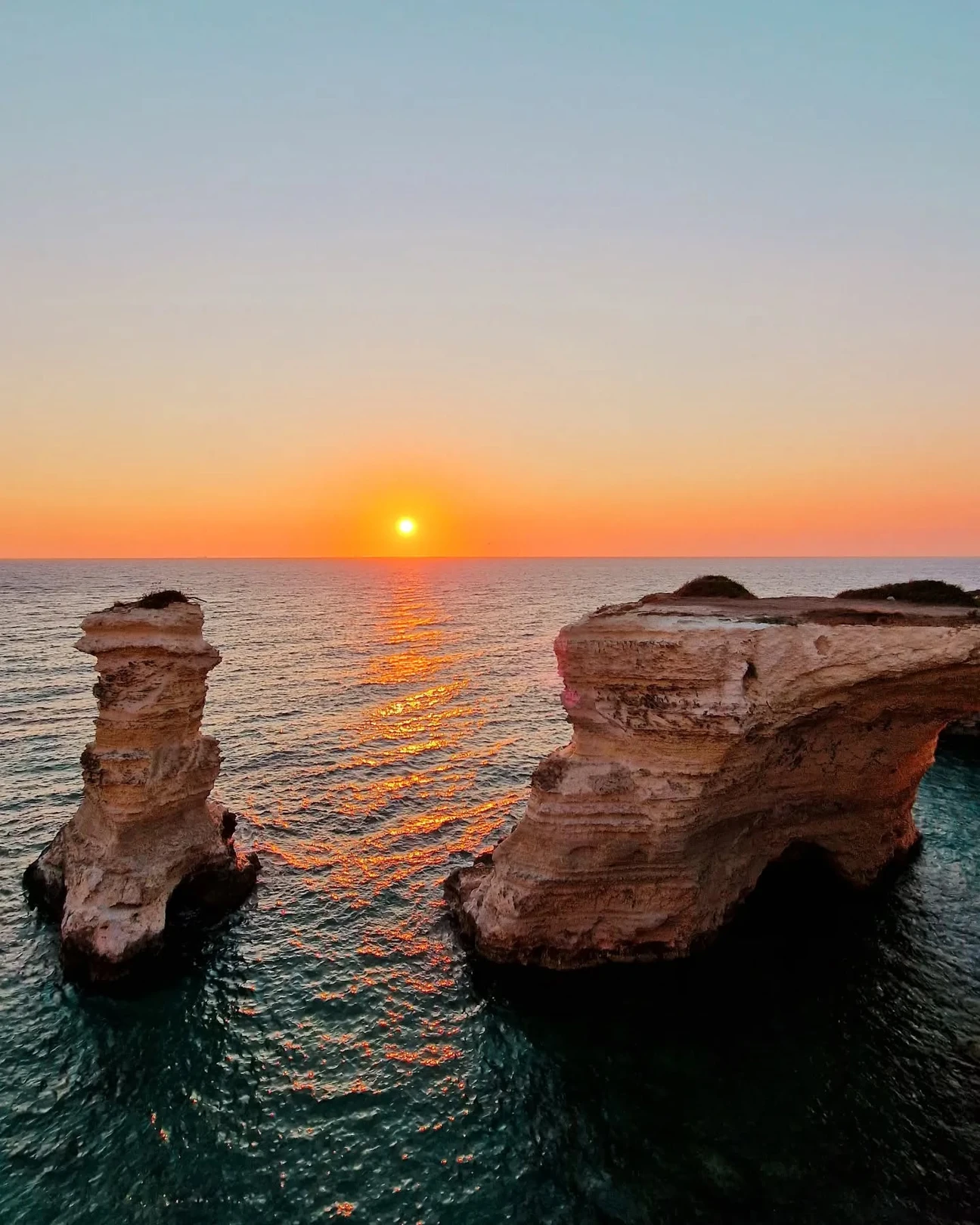
Sant’Andrea sea stacks
Sea stacks, natural arches and pale rocks shape one of the most photographed stretches of the Melendugno coastline. Why we chose it It is not a traditional beach, but it is one of Salento’s most recognisable scenic wonders. Torre dell’Orso · Melendugno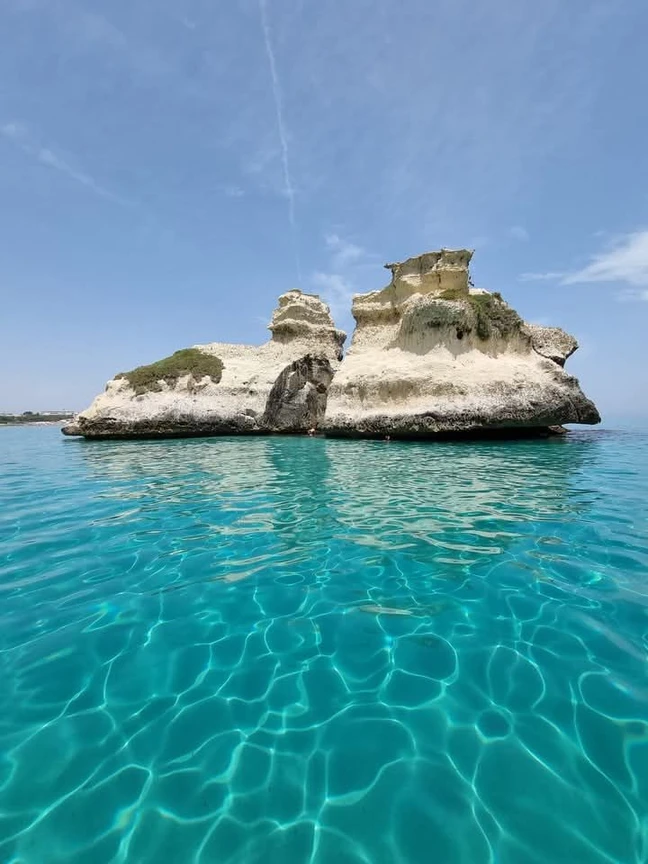
Torre dell’Orso and Le Due Sorelle
A broad sandy bay dominated by the two famous sea stacks rising just offshore. Why we chose it It brings together a much-loved beach and one of Salento’s best-known natural symbols in a single view. Roca Vecchia · Melendugno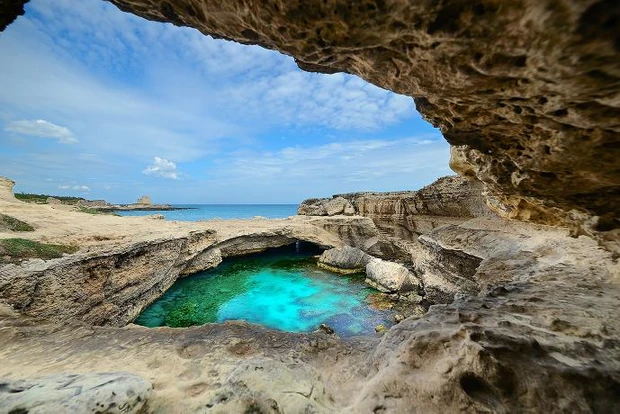
Grotta della Poesia
A large natural sinkhole in the rock, set within the coastal and archaeological landscape of Roca Vecchia. Why we chose it It closes the selection as both a natural and cultural wonder, to be visited in accordance with the site’s access and conservation rules.
No places match the selected filter.