La Strea: what to know before you go
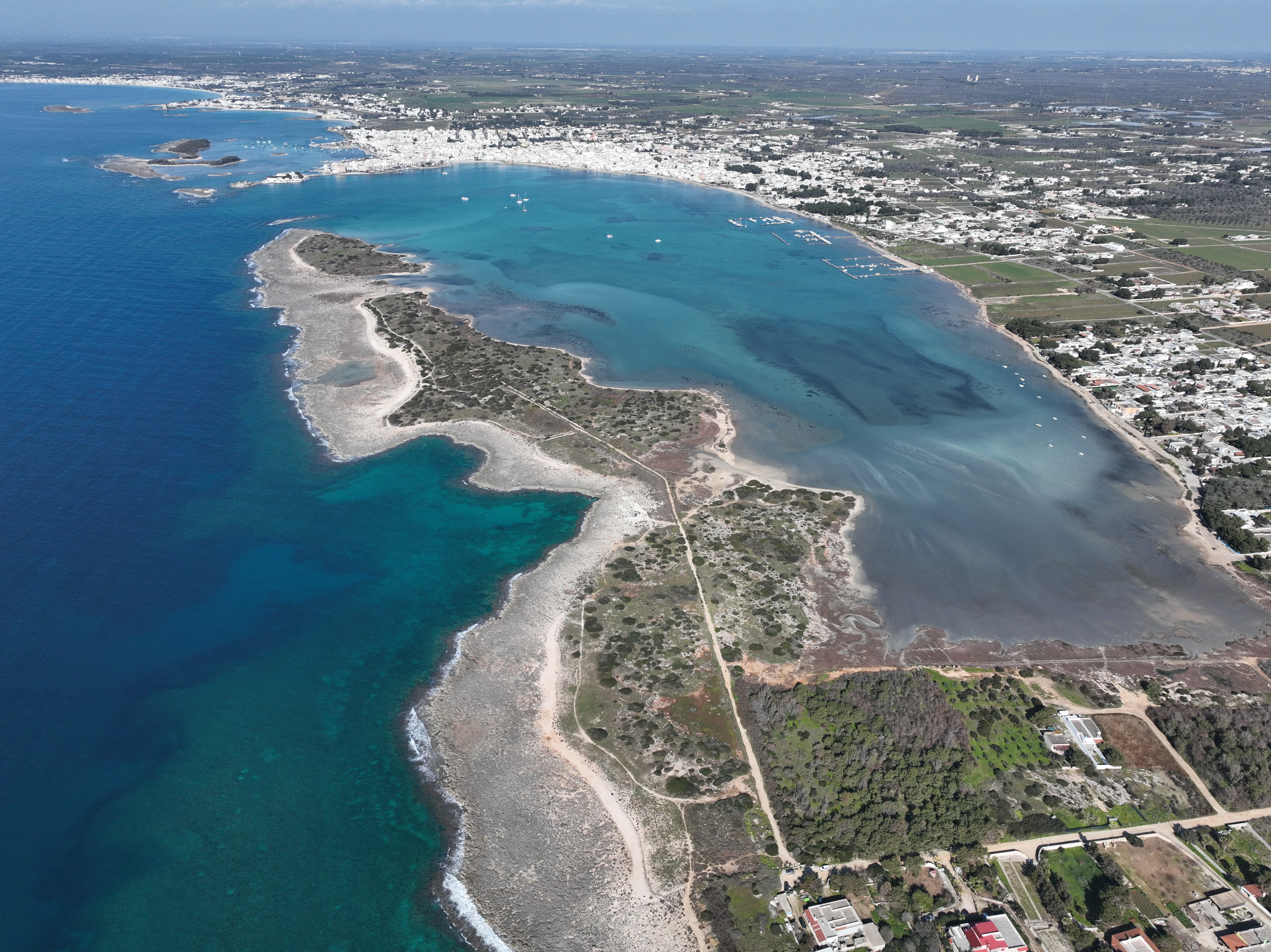
La Strea is not a conventional beach. It is a protected peninsula just over a kilometre long, with paths, shallow inner water, an outer rocky shore and marine sectors under different rules. Before swimming, you need to know exactly which zone you are in.
A peninsula inside a nature reserve
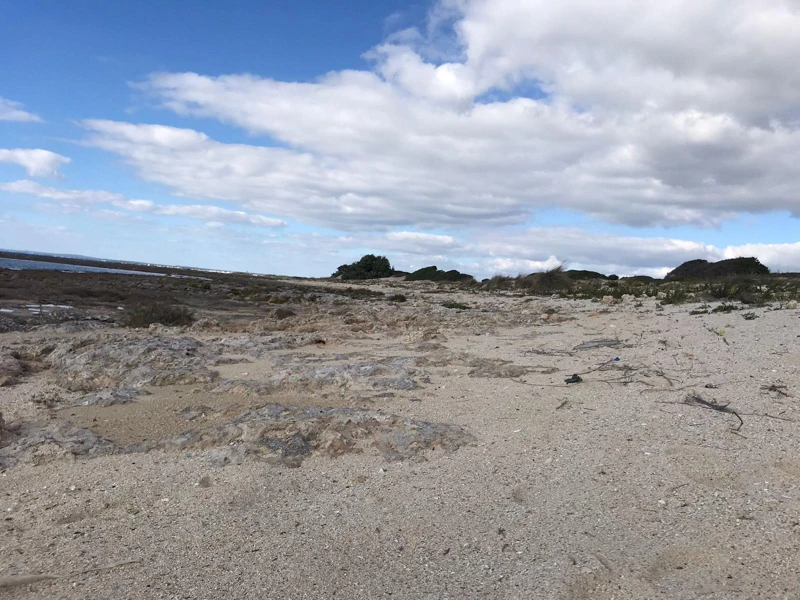
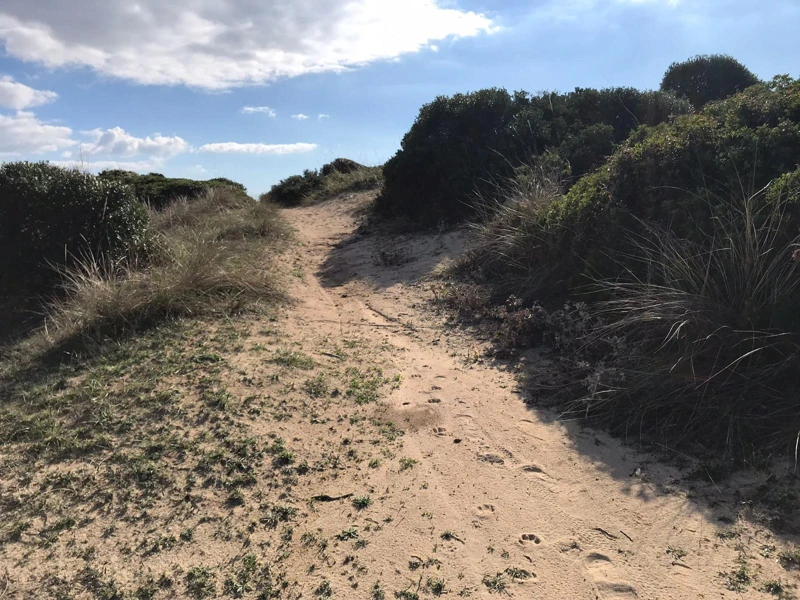
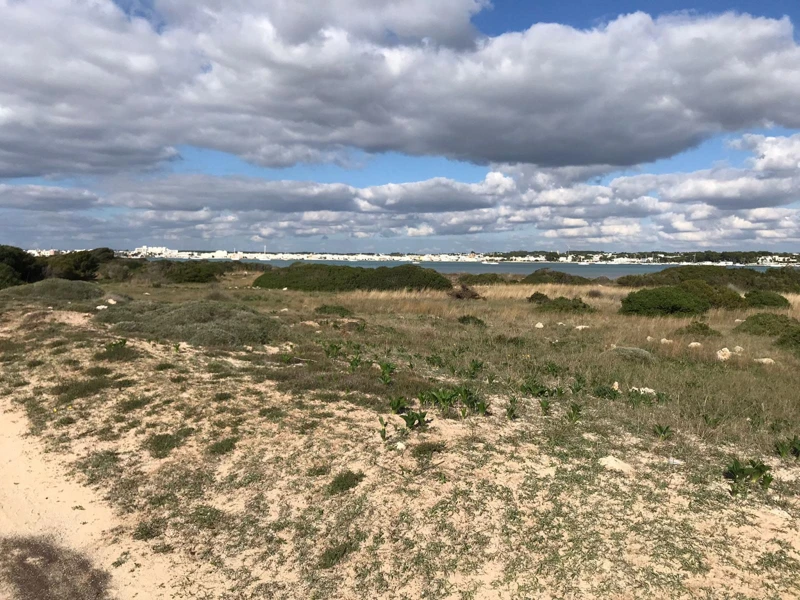
La Strea is part of the Palude del Conte and Coastal Dunes Regional Nature Reserve. It separates Porto Cesareo’s inlet from the open sea and preserves Mediterranean scrub, wet areas, tiny sandy stretches and rocky coast.
More than a beach
Come mainly to walk, observe the landscape and experience a protected environment; swimming is secondary and only where permitted.
Two very different sides
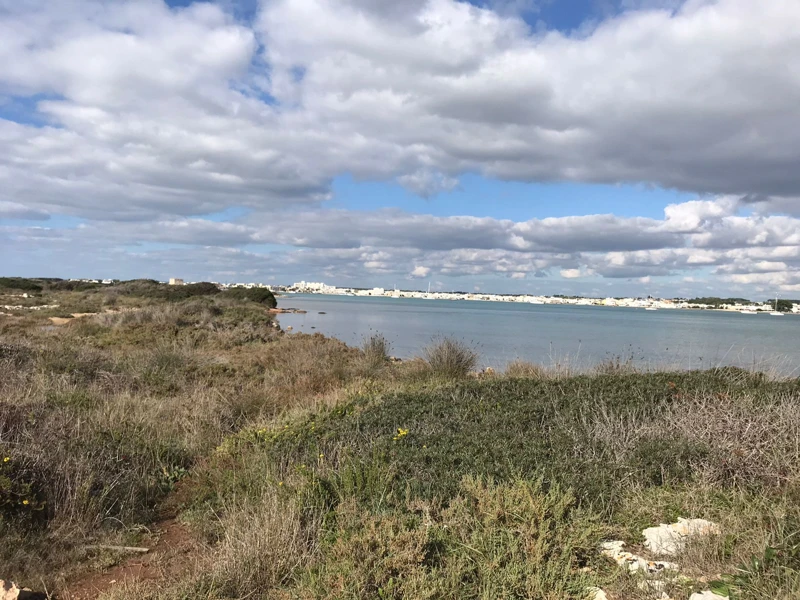
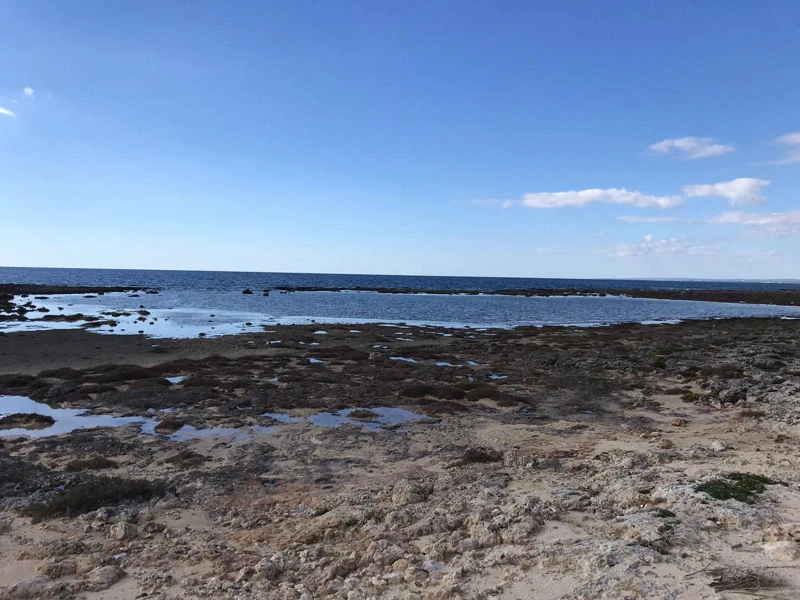
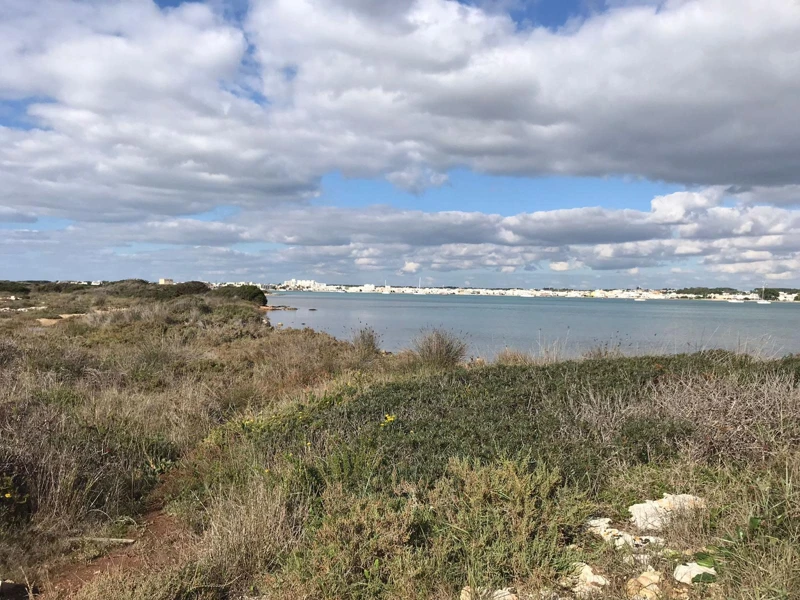
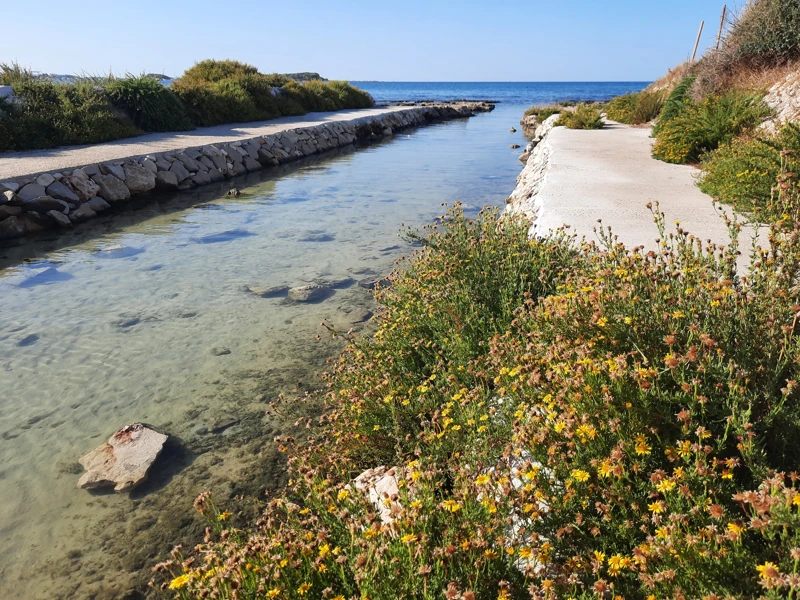
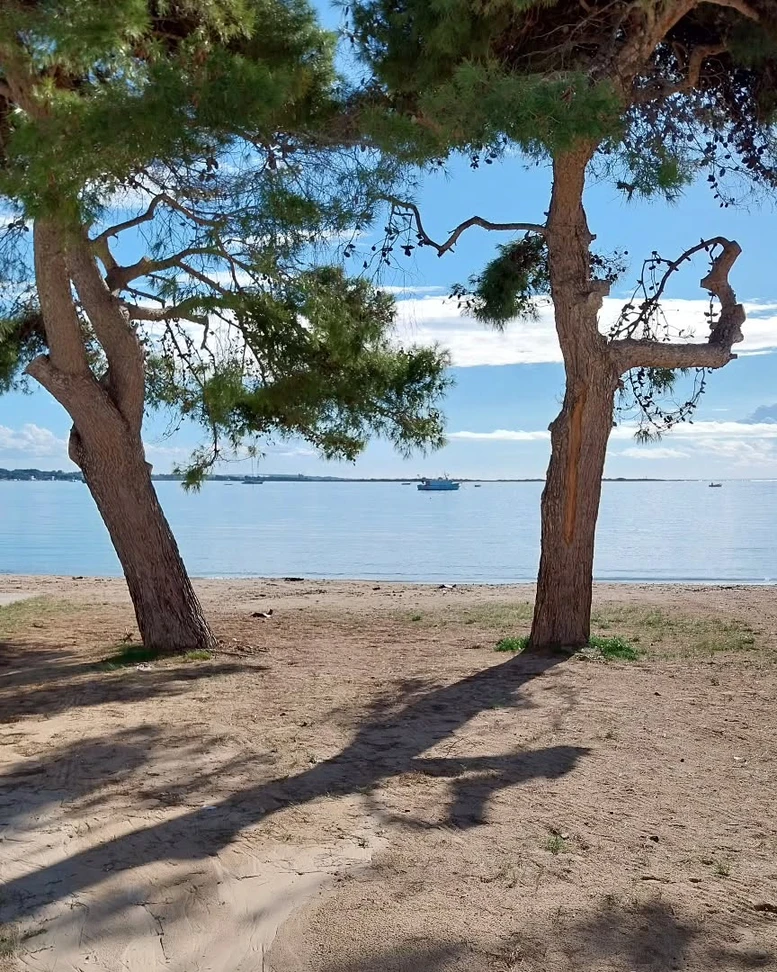
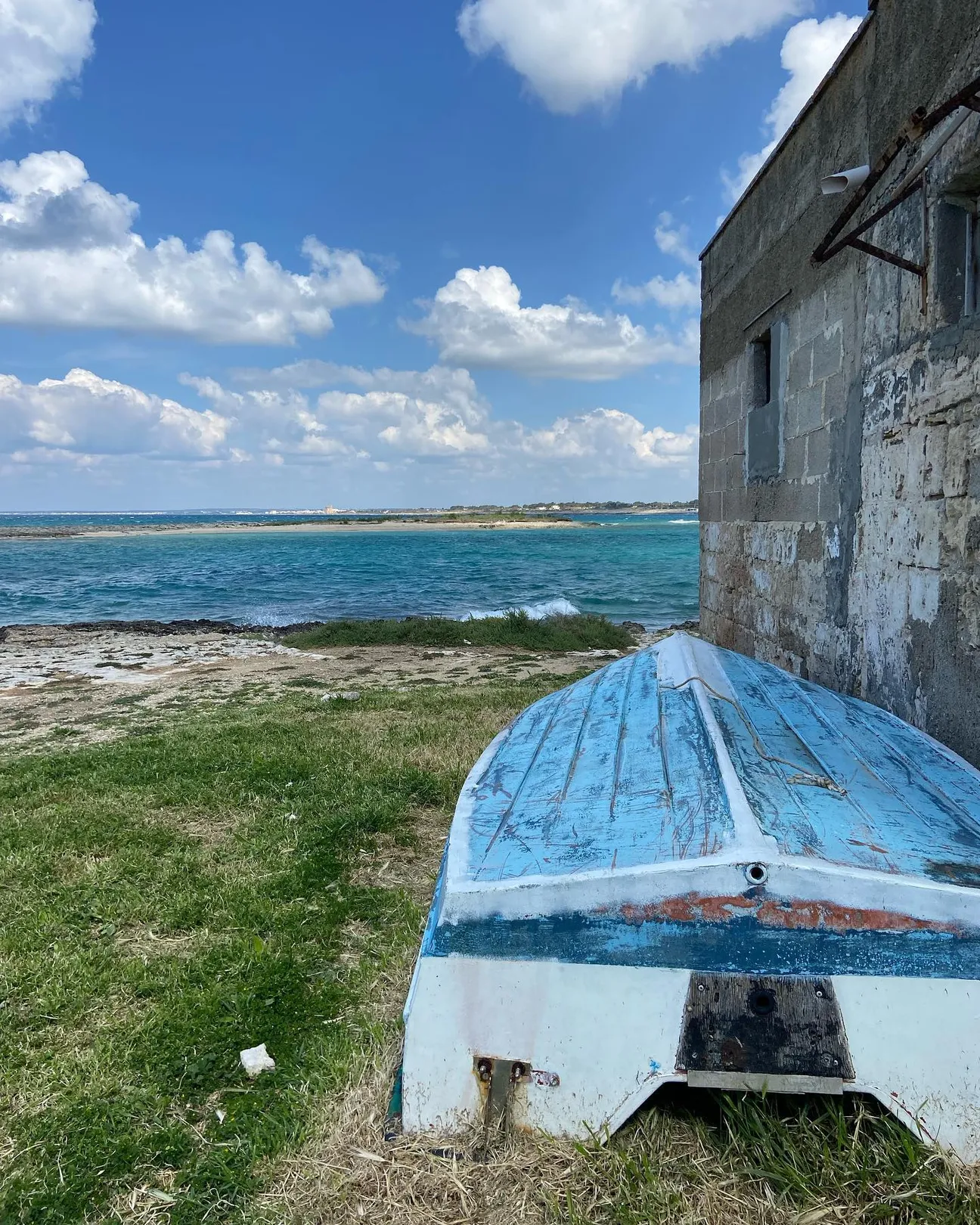
On the inner side the water is generally shallow and the bottom mainly sandy or silty-sandy; on the outer side rock dominates and the sea is deeper and more exposed. This contrast explains the local idea of a ‘land between two seas’.
Do not pick a spot blindly
Seabed, exposure and especially protection rules change from one side to the other.
Advertisement
Important: a Zone A integral reserve lies off La Strea
The open-sea waters facing the peninsula include Zone A of the Marine Protected Area, where swimming and ordinary recreational activities are not allowed. Other parts of the protected area operate under different rules.
Before entering the water
Check the official map and signs. Empty water or an inviting cove does not mean swimming is permitted.
Shallow inner waters, very different open-sea seabed
The inner inlet has modest depths and unusual conditions due to low water exchange and freshwater inputs; the outer coast has deeper seabed and delicate marine habitats.
Families and swimmers
Shallow water alone does not make a place safe or swimmable: zoning and actual sea conditions come first.
Since 2024 there is an elevated ecological cycle-and-walking trail
A wooden raised cycle-and-pedestrian path opened in June 2024 to reduce impact on the ground while allowing visitors to cross the landscape more responsibly.
Use it
Stay on the prepared route and do not cut through vegetation; the boardwalk exists precisely to reduce trampling.
How to get there: from the southern side of Porto Cesareo
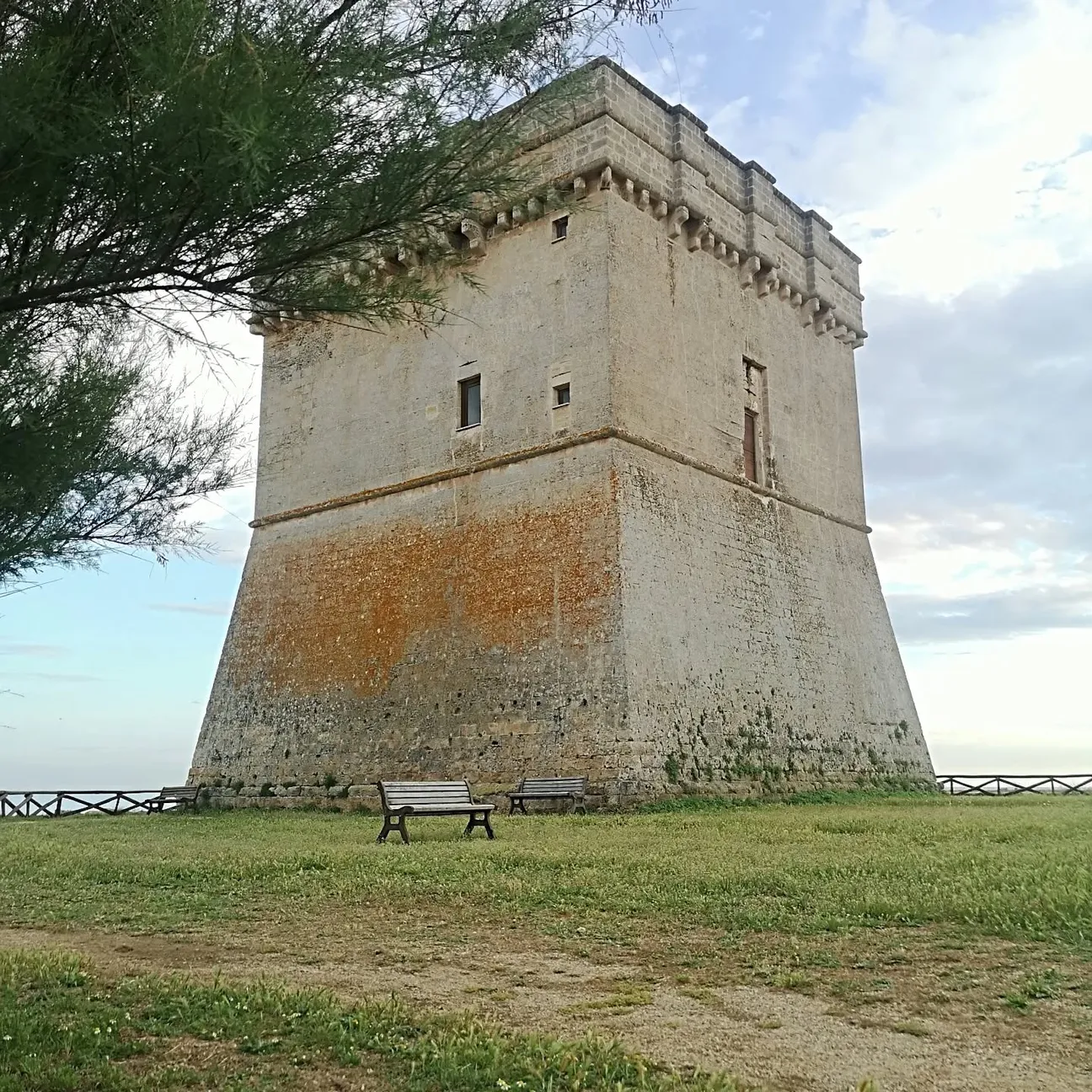
The peninsula lies south of Porto Cesareo town towards Torre Squillace. It is no longer accurate to say it can only be reached on foot from Torre Squillace or by boat: the ecological trail has made land access clearer.
Final approach
Leave the car outside the protected area and continue on foot or by bicycle along permitted routes.
Parking: no cars inside the peninsula
We found no confirmed public car park inside La Strea. The protected-area logic is to leave vehicles outside and continue on foot or by bicycle; external parking depends on current signs.
In summer
Arrive early and never park on vegetation, access points, private land or unauthorized verges. In some seasons the municipality has also served the area with shuttles.
Do not expect bars or beach facilities along the natural route
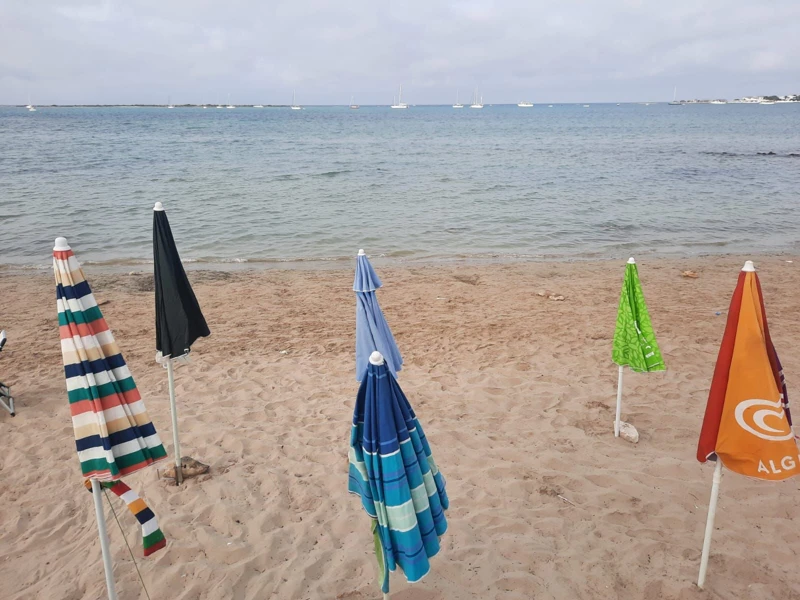
The peninsula is not a beach club area: do not rely on bars, showers, public toilets, umbrella hire or lifeguard service along the trail. Services are in Porto Cesareo’s inhabited areas and nearby resorts.
Bring essentials
Water, hat and sun protection are essential in hot weather.
Families: a great nature walk, not a simple children’s beach
The shallow inner water may look child-friendly, but La Strea is first and foremost a protected natural environment with irregular terrain and marine restrictions. There are easier beaches for a straightforward family swimming day.
With children
Excellent for a nature visit in cooler hours; swim only in sectors that are clearly permitted and easy to access.
Accessibility: the boardwalk helps, but does not certify the whole route
The raised path improves access to part of the area, but we found no confirmation of a fully accessible route to the sea or assisted bathing services at La Strea. Natural terrain and coastal sections still vary.
Reduced mobility
If sea access without barriers is the priority, check an equipped beach in Porto Cesareo instead.
Birdwatching: one of the main reasons to visit
The shallow inlet is a feeding area for resident and migratory birds. Documented species include little egrets, grey herons, redshanks, sandpipers, plovers, black-winged stilts and cormorants.
How to watch
Bring binoculars, keep your distance and stay on paths rather than approaching feeding or nesting areas.
Mediterranean vegetation and fragile habitats
The land supports Mediterranean coastal vegetation, while the protected sea includes valuable habitats such as Posidonia meadows, coralligenous formations and cave environments.
Real protection
Do not pick plants, move rocks, light fires or leave rubbish.
Snorkelling: not in Zone A
The outer coast is naturally interesting, but the waters facing the peninsula include the highest-protection zone. Recreational activities, including swimming, are not allowed in Zone A.
Where to snorkel
Choose other Marine Protected Area sectors where snorkelling is allowed and always follow current zoning.
Wind and sea affect the two sides differently
The inner inlet is more sheltered and shallow, while the outer shore faces open Ionian conditions. Strong wind and heat can also make the walk itself more demanding.
Best time
Early morning or late afternoon are usually more comfortable for walking and wildlife watching.
Quieter than major beaches, but not empty
La Strea is less geared to mass bathing than Torre Lapillo or Punta Prosciutto, but summer walkers, cyclists and visitors can still be numerous. Quiet depends strongly on time of day.
For silence
Avoid peak hours and busy days, and keep a low-impact behaviour even when you seem alone.
What changed: the ecological trail changed access
Older descriptions said the only land access was a walk from Torre Squillace. Since 2024 that is incomplete: the new elevated cycle-and-walking route provides a more organised and lower-impact way to visit from the Porto Cesareo side.
Still essential
Better access does not mean weaker protection: leave cars outside, stay on routes and respect marine zoning.
Best for
Walkers, cyclists, birdwatchers, nature photographers, couples and families who want a different outing and to understand one of Porto Cesareo’s most distinctive environments.
The real value
Choose La Strea for landscape and nature, not for a serviced beach.
Less suitable for
Anyone looking for umbrellas, a bar, public toilets, parking beside the sea, verified assisted bathing or a simple children’s beach where no zoning checks are needed.
Alternative
For an easier beach day choose one of Porto Cesareo’s authorised and serviced bathing beaches.
What to bring
Comfortable shoes, plenty of water, hat, sunscreen, binoculars, a charged phone and a bag to take rubbish away. Avoid walking the route unprotected in peak summer heat.
More trail than beach
Light walking shoes are better than flip-flops if you intend to explore the peninsula properly.