Torre Cesarea
Puglia · Salento · Ionian Sea · Porto Cesareo

Torre Cesarea

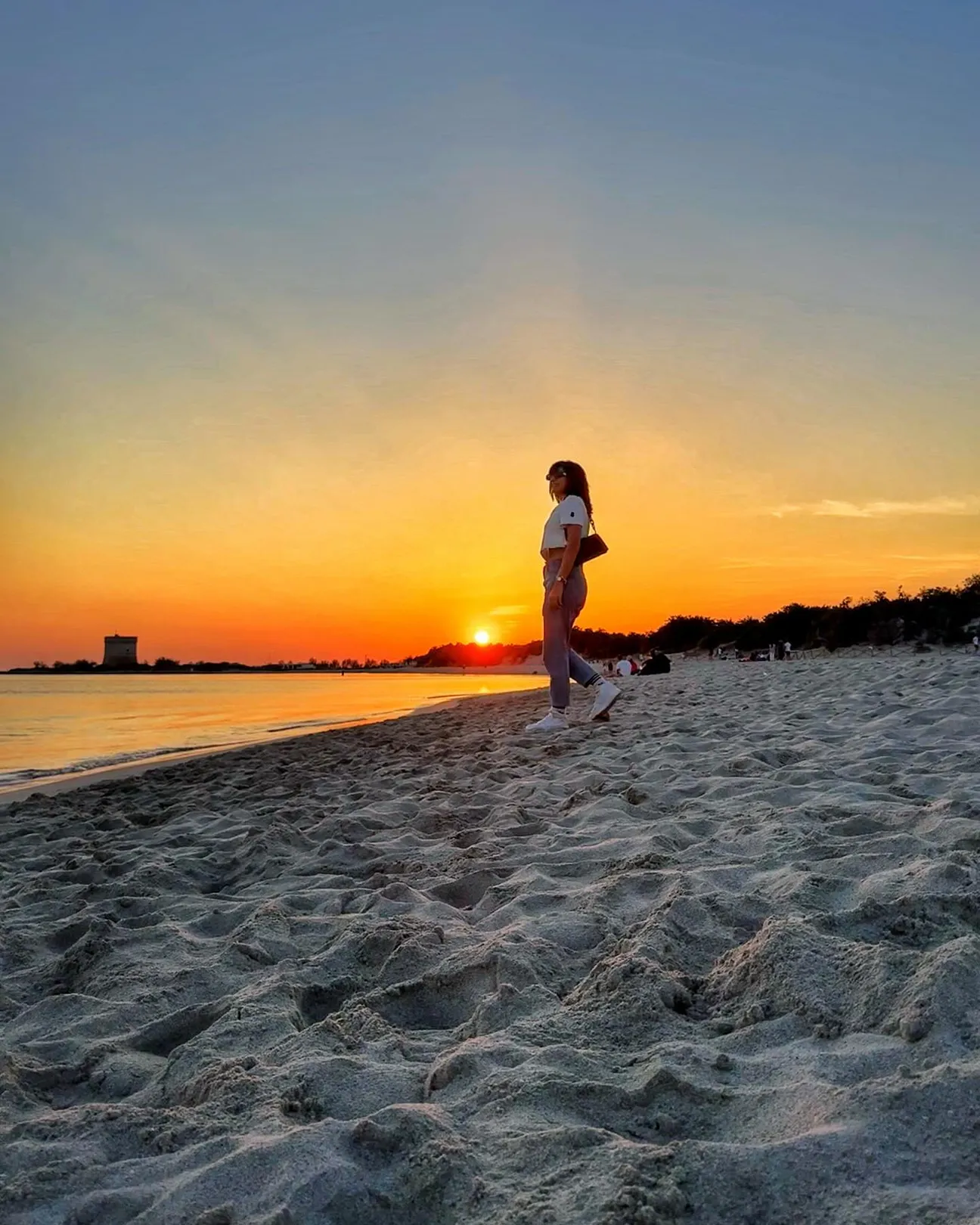
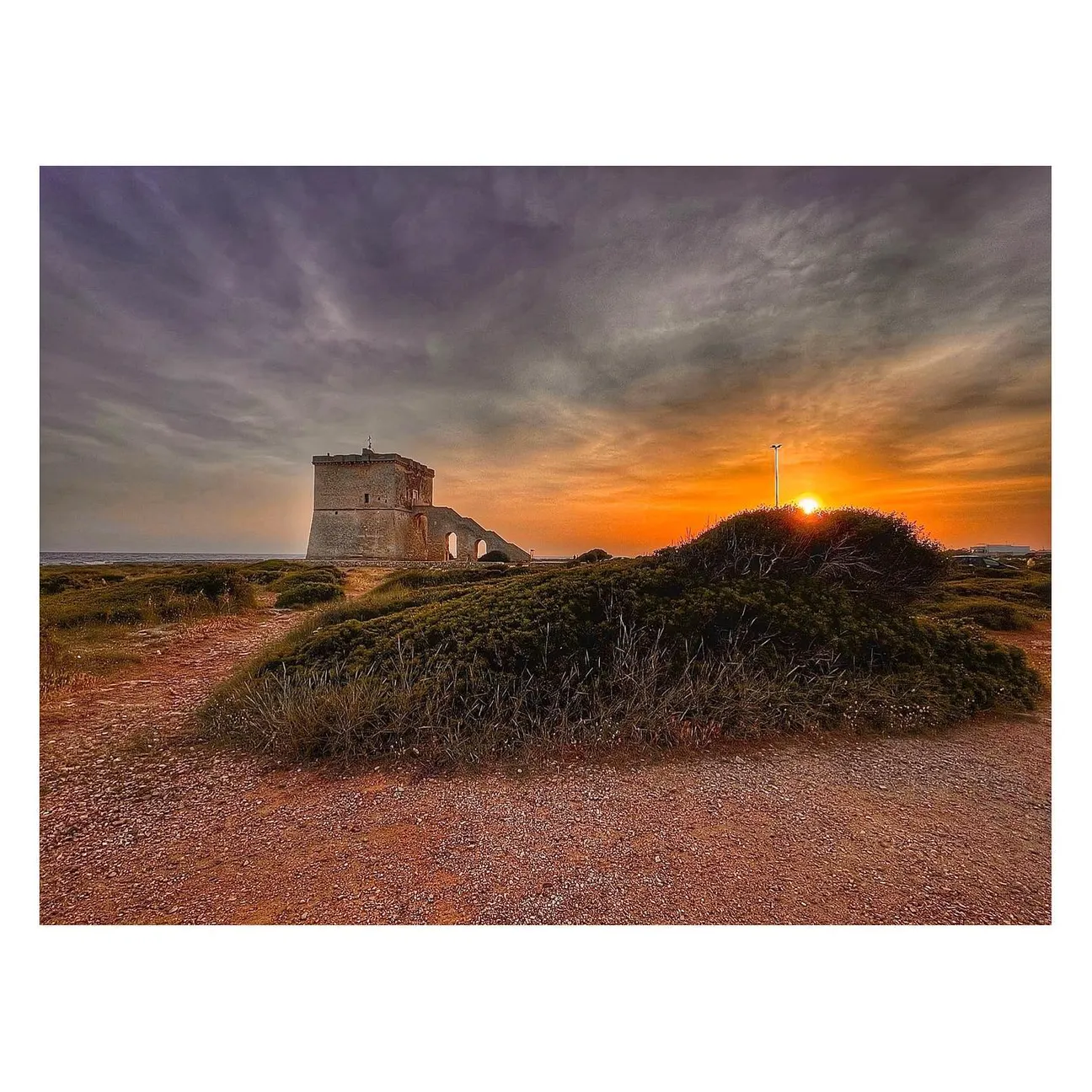
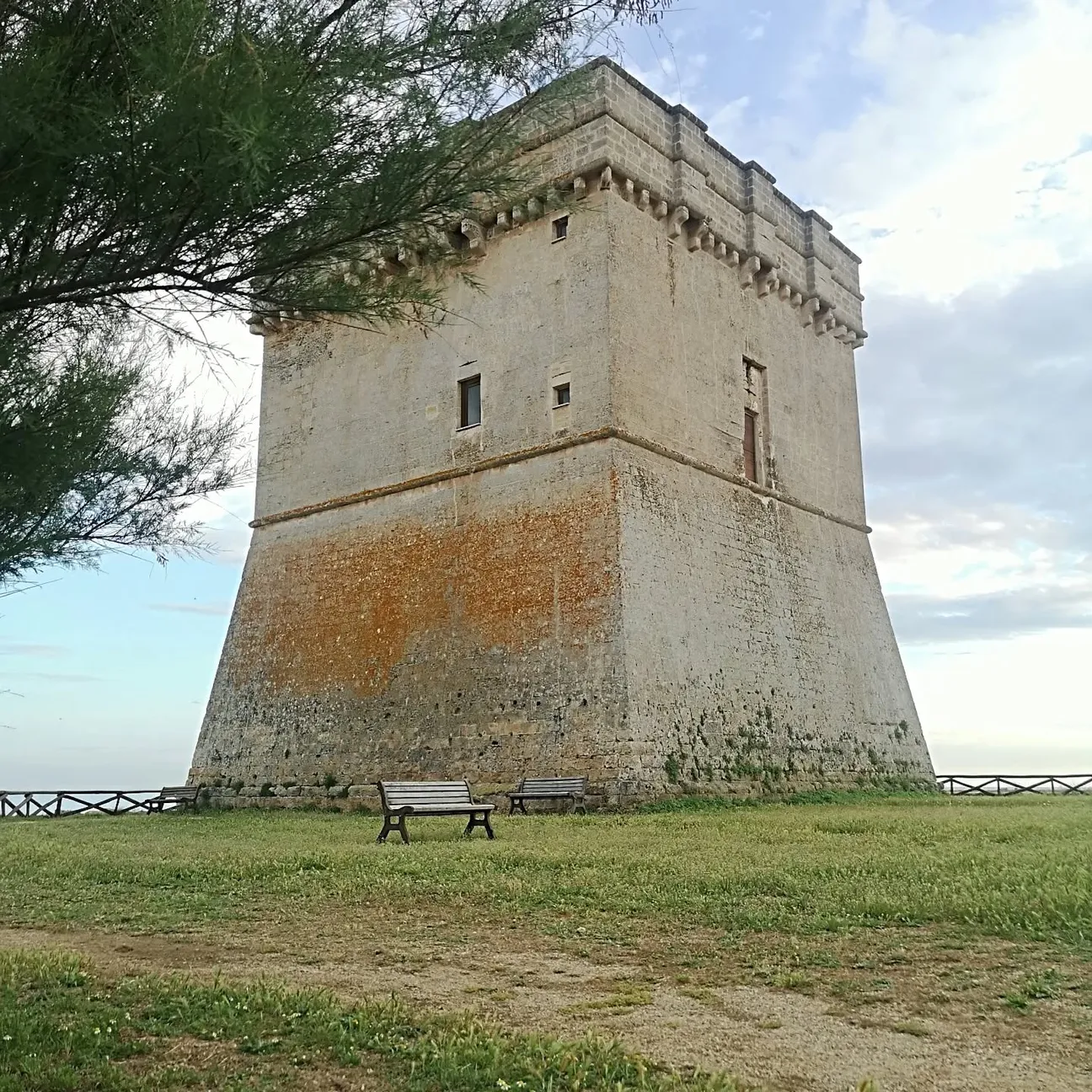
Torre Cesarea, also known as the Tower of Porto Cesareo, is the large square tower in Piazza Nazario Sauro. The municipality records completion in 1570 and reconstruction in 1622 after structural problems. It remains a major historic landmark.

Torre Cesarea: What to know before you go

Checked practical information on access, sea conditions, services and safety. The municipality includes the recovery and enhancement of Torre Cesarea among its strategic goals. Any openings or new uses should therefore be checked at the time rather than treated as permanent until actually operating.

Getting there and access

It is easy to reach from the town centre and can be viewed from the square and seafront. Interior access is not guaranteed and depends on the building’s use and specific initiatives.

Access

If an access point is closed or altered, do not improvise shortcuts: use authorised routes only.
Sea, coast and seabed

This is a historic and cultural site, not a beach. The sea is nearby, but the tower should not be treated as a marker for a safe diving or swimming spot.

Sea

Before moving away from shore, identify a safe exit point and do not enter if waves or current exceed your ability.

Advertisement

Families and children

With small children, choose only spots away from manoeuvring areas and with an easy entry; supervision and sea conditions remain essential.

Families

Before planning the day, consider access, distance from services, crowding and how easy it will be to get back.

Parking and services

Bars, food and town-centre services are steps away. Parking, traffic restrictions and pedestrian zones apply in central Porto Cesareo; in summer it is usually easier to park where permitted and walk.

Planning

Do not leave valuables visible in the car and do not occupy verges, access points or unauthorised spaces.

Accessibility

The exterior can be reached from the surrounding road or urban area, but interior accessibility is not guaranteed and must be checked when openings are announced.

Accessibility

If you have specific mobility needs, check before leaving whether the route is genuinely usable that day.

Wind and sea conditions

Viewing the exterior is straightforward in an urban setting, but do not climb walls, parapets or structures or seek unauthorised access.

Safety

If the wind strengthens, reassess your return before conditions worsen.

What has changed / rules to check

The municipality includes the recovery and enhancement of Torre Cesarea among its strategic goals. Any openings or new uses should therefore be checked at the time rather than treated as permanent until actually operating.

Update

If signs or barriers on site are more restrictive than this guide, the instructions on site always take precedence.

Who it suits

Recommended for history, photography and a walk through central Porto Cesareo. It is a short cultural stop rather than a standalone beach destination.

Recommended

Before deciding, pay particular attention to the access and safety cards, as they can completely change the experience.

Less suitable for

Less suitable for anyone seeking a standalone beach day: this is mainly a historic and scenic stop.

Less suitable

If one of these limitations is decisive for you, compare a nearby location before setting off.

What to bring

Comfortable shoes, water in hot weather and a camera; beach equipment is not needed to visit the tower.

What to bring

Keep your phone and documents in a waterproof case and travel with only the essentials.

The gallery shows the available and verified photographs for this place.

Book a beach umbrella

Beach clubs and bathing establishments linked to this location.

Visit other beaches in the same seaside resort (Porto Cesareo)

Continue along the same coast with linked guides.

Torre Chianca, Porto Cesareo

Torre Chianca, Porto Cesareo

A sixteenth-century coastal tower beside pale sand, short rocky sections and generally shallow water. It is also the northern landmark of Baia Grande, the stretch of sea between Torre Chianca and Torre Lapillo known to kitesurfers: wind, bathing rules and sea conditions must be taken seriously here.

Scalo di Furno

Scalo di Furno

A free stretch of Porto Cesareo coastline where pale sand, small rocky sections and the local name “Primo Ponte” meet one of the resort’s most important archaeological sites. Since July 2026 Scalo di Furno has also been a key point in the new coastal and underwater archaeological park.

Advertisement
Isola dei Conigli

Isola dei Conigli

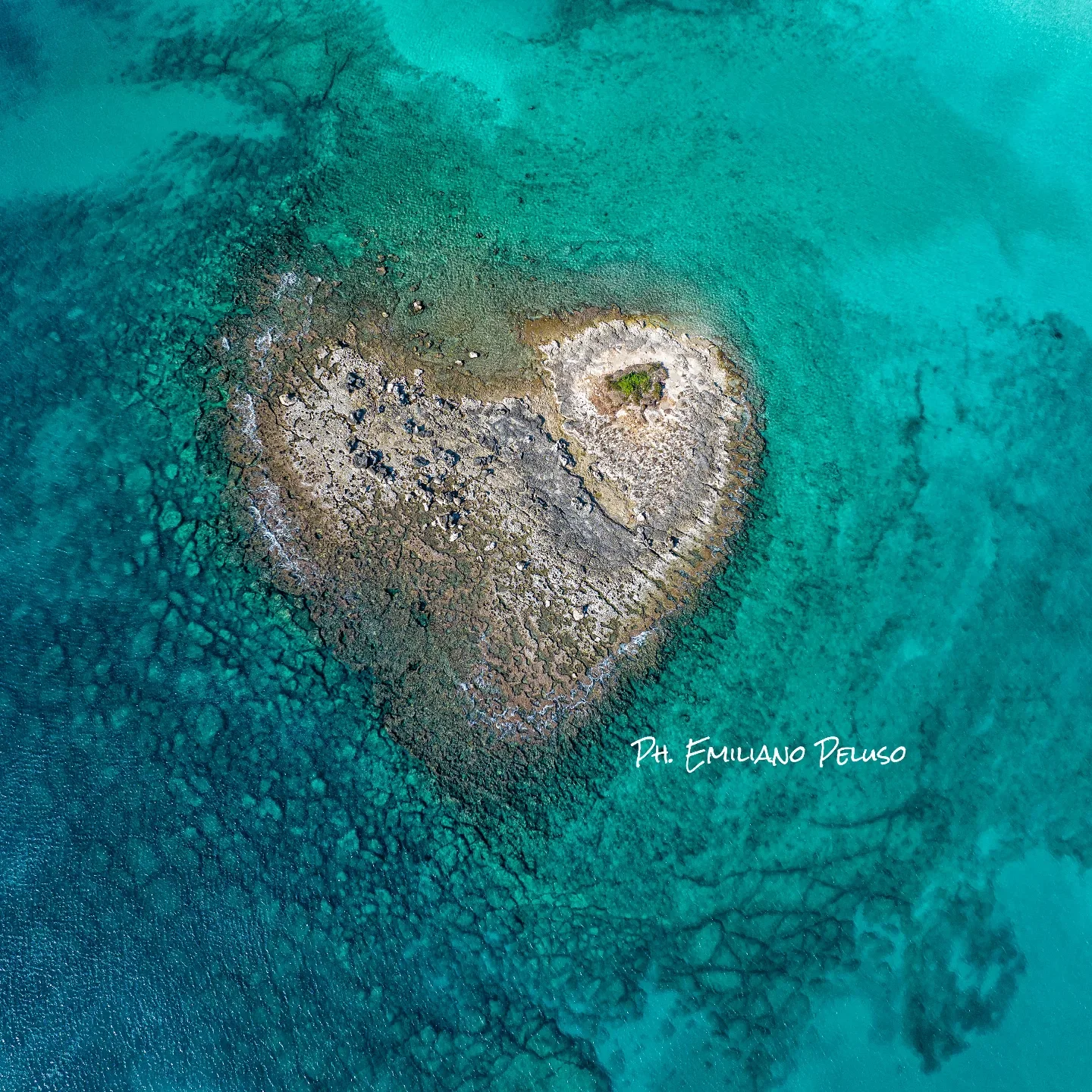
Isola dei Conigli is Porto Cesareo’s Isola Grande: a state nature reserve of about 9 hectares managed by the Carabinieri Biodiversity Unit in Martina Franca. Access is listed as free, but a small-boat transfer is the simplest option; wading or swimming across should not be treated as an always-harmless walk.

Porto Cesareo Beach

Porto Cesareo Beach

Porto Cesareo Beach is a small urban beach in the town centre. Its main advantage is location: the sea is steps from bars, shops and services, but space is limited compared with the long beaches farther north.

Lu Culacchiu

Lu Culacchiu

Lu Culacchiu is a small free public beach on the southern approach to Porto Cesareo from Sant’Isidoro. It is mainly a neighbourhood beach used by people staying or living nearby.

Le Dune free beach

Le Dune free beach

The free strip between Le Dune and Tabù is one of Porto Cesareo’s easiest and most popular beaches: fine sand, generally shallow sea and private services nearby. Peak-summer crowding is the trade-off, and the dunes behind the shore are protected habitat, not a shortcut.

Malva Rock

Malva Rock

Malva Rock is a small outcrop off Torre Chianca, distinct from the nearby Isola della Malva. The area has landscape and archaeological value and is subject to a specific navigation restriction.

Isola della Malva

Isola della Malva

Isola della Malva is a small islet off the Torre Chianca sector within Porto Cesareo’s protected marine landscape. It must be distinguished from the nearby Scoglio della Malva, which has its own navigation rules. The seabed off Torre Chianca also contains the site of five Greco-Roman columns, a separate underwater archaeological site.

La Strea

La Strea

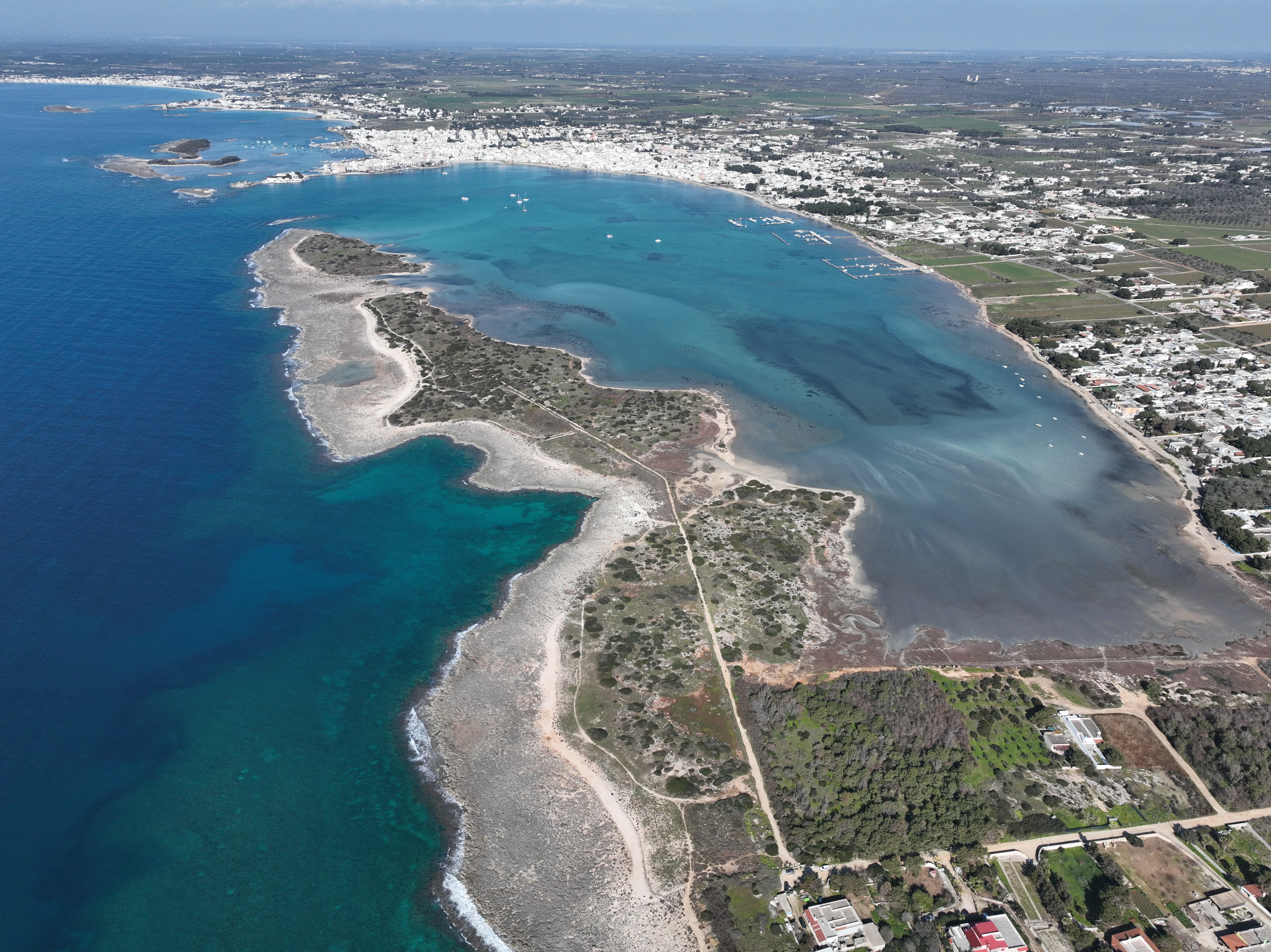
A natural peninsula closing the southern side of Porto Cesareo bay: shallow sheltered water on one side and rocky open sea on the other. It is primarily a place to walk and observe, with conservation rules more important than a normal beach day.

L’Approdo

L’Approdo is the Torre Chianca coastal sector beside the namesake sailing club and Lido Tabù. It should not be described as one entirely free public beach: public access, concessions and nautical activities coexist along this stretch.

Salentissimo.it

Services near Torre Cesarea

Choose a service and view all available businesses and information on its dedicated page.

Continue along the coast

Navigation follows the parent seaside resort configured in the project.

Frequently asked questions · Torre Cesarea

Access, sea, parking, families, services and safety.

Where is it?
Porto Cesareo
What type of place is it?
16th-century coastal tower
How do you get there?
It is easy to reach from the town centre and can be viewed from the square and seafront. Interior access is not guaranteed and depends on the building’s use and specific initiatives.
What is the sea or seabed like?
This is a historic and cultural site, not a beach. The sea is nearby, but the tower should not be treated as a marker for a safe diving or swimming spot.
Is it suitable for children?
Recommended for history, photography and a walk through central Porto Cesareo. It is a short cultural stop rather than a standalone beach destination.
Where can you park and are there services?
Bars, food and town-centre services are steps away. Parking, traffic restrictions and pedestrian zones apply in central Porto Cesareo; in summer it is usually easier to park where permitted and walk.
Is it accessible for people with reduced mobility?
The exterior can be reached from the surrounding road or urban area, but interior accessibility is not guaranteed and must be checked when openings are announced.
Can you swim or snorkel?
This is a historic and cultural site, not a beach. The sea is nearby, but the tower should not be treated as a marker for a safe diving or swimming spot. Viewing the exterior is straightforward in an urban setting, but do not climb walls, parapets or structures or seek unauthorised access.
What is the main safety point?
Viewing the exterior is straightforward in an urban setting, but do not climb walls, parapets or structures or seek unauthorised access.