Grotta di Purraru
Puglia · Salento · costa di Levante · Gagliano del Capo · Lecce

Grotta di Purraru

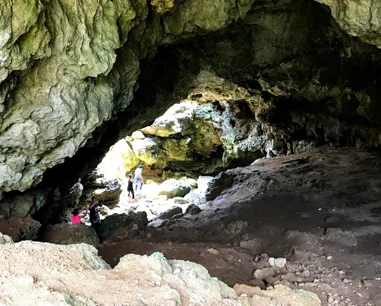
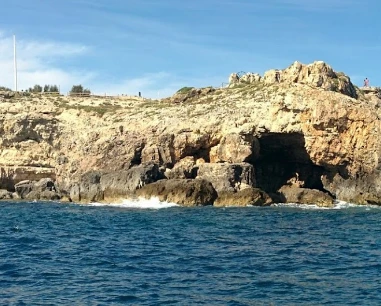
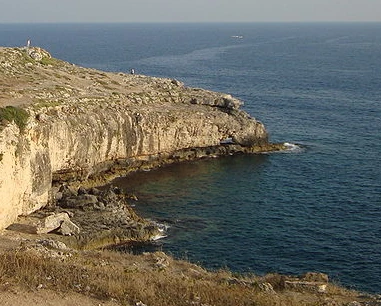
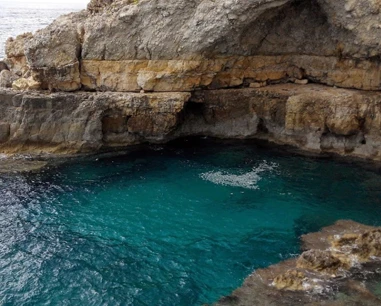
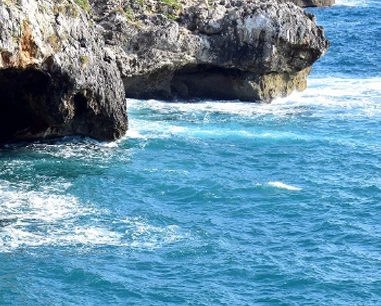
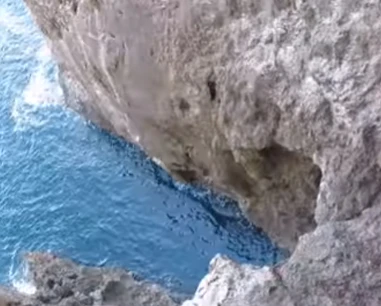
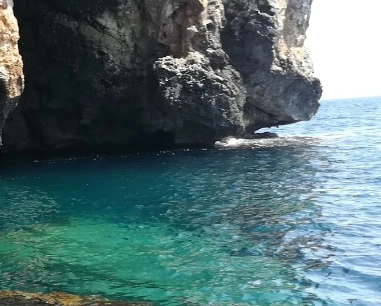
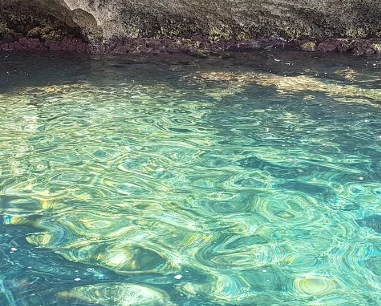
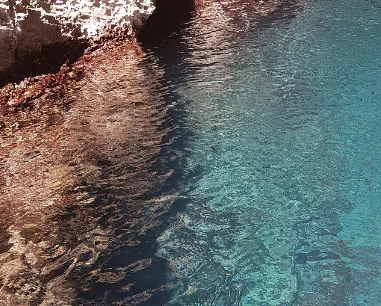
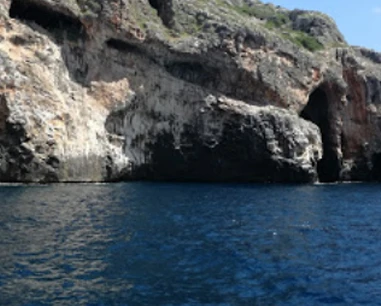
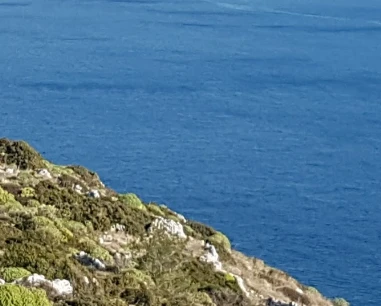
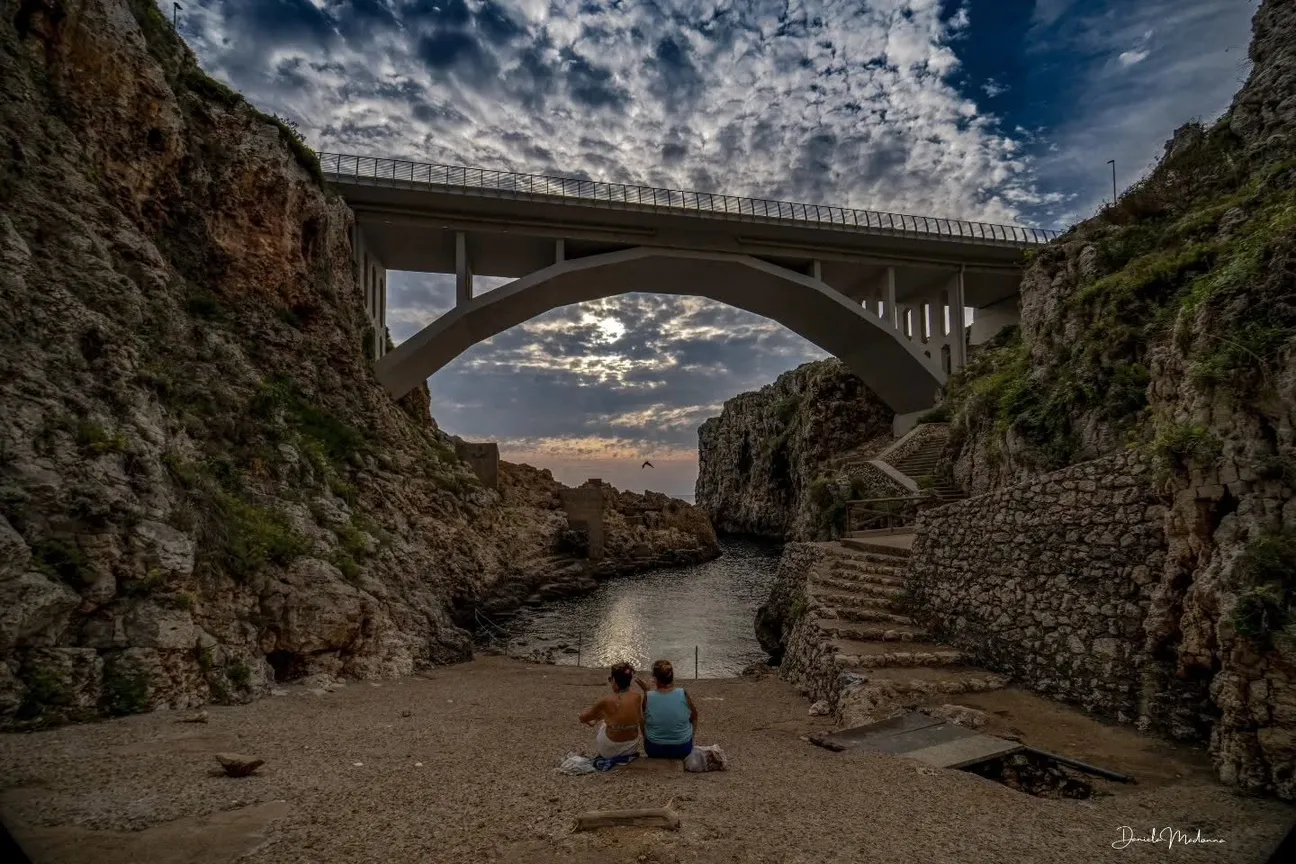
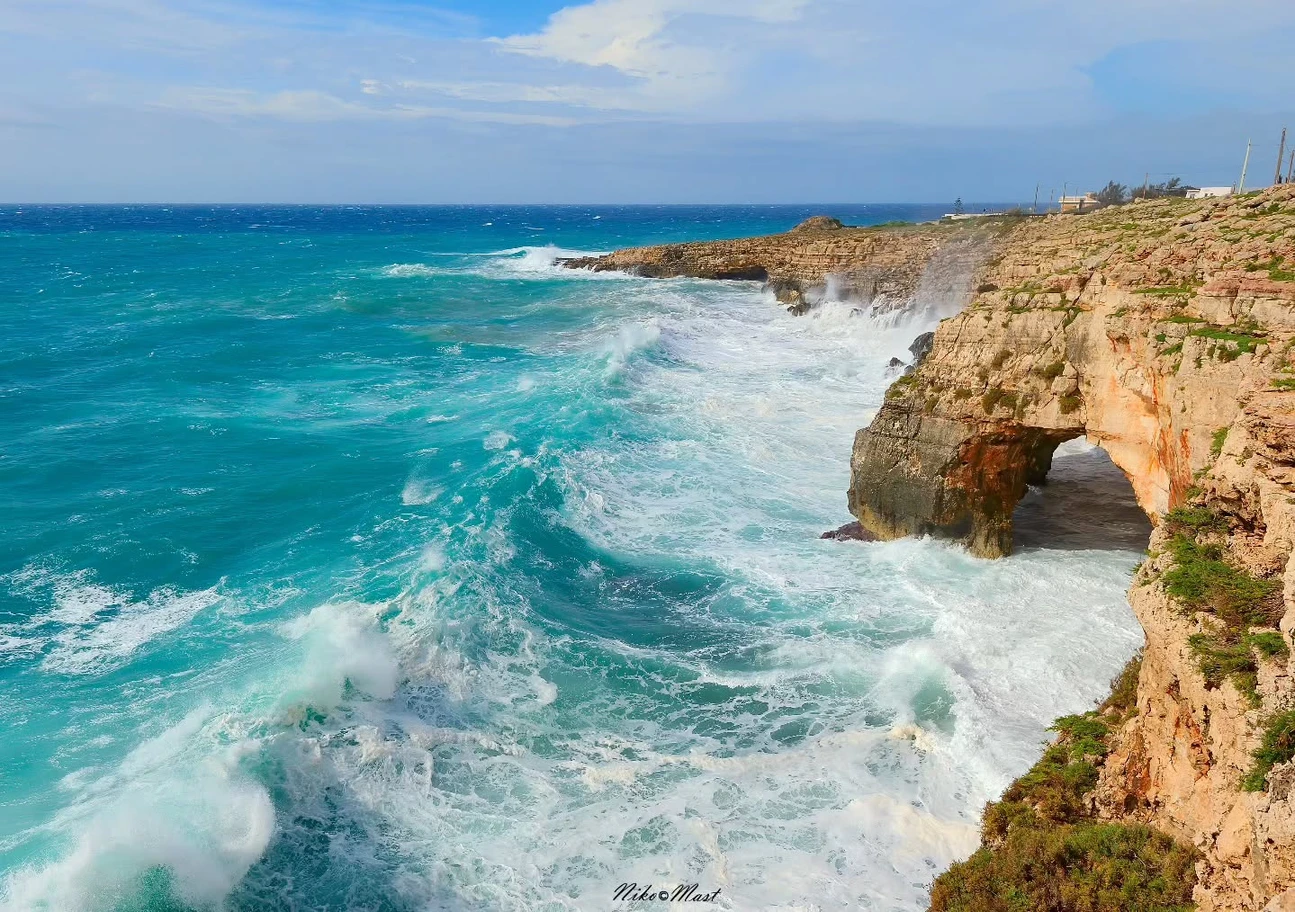
Grotta di Purraru is a recorded cave site in Gagliano del Capo on the eastern coast traditionally included in Leuca cave itineraries. The position comes from the 2026 cave registry; sea access and any visit must be assessed in calm conditions without improvised cave entry.

Grotta di Purraru: what to know before you go

Practical information checked for access, setting, safety and services. Cave names and coordinates were checked against the Puglia cave registry published on 1 April 2026 where available.

Getting there and access

The cave is mainly a place to view from the sea. For a close visit, use authorised local operators and avoid independent entry in uncertain conditions.

Getting there and access

If an access point is closed or altered, do not improvise shortcuts: use authorised routes only.
Sea and coast

Rocky coast and irregular seabed, often deep near cave entrances. Surge, waves and boat traffic can make a visit unsuitable.

Sea and coast

Before moving away from shore, identify a safe exit point and do not enter if waves or current exceed your ability.

Advertisement

Families and children

Not a first choice for small children: rock, depth, paths or sea access require experience and constant supervision.

Families and children

Before planning the day, consider access, distance from services, crowding and how easy it will be to get back.

Parking and services

No dedicated parking is guaranteed. Park only in authorised spaces and expect summer pressure.

Parking and services

Do not leave valuables visible in the car and do not occupy verges, access points or unauthorised spaces.

Accessibility

Trails, rocks or sea access make the place unsuitable for wheelchairs, pushchairs and reduced mobility.

Accessibility

If you have specific mobility needs, check before leaving whether the route is genuinely usable that day.

Safety

Visit only in calm sea with a safe return route. No uncontrolled cliff jumps and no cave entry in swell or surge.

Safety

If signs or barriers on site are more restrictive than this guide, the instructions on site always take precedence.

Update

Cave names and coordinates were checked against the Puglia cave registry published on 1 April 2026 where available.

Update

Check the date of the notice: a temporary measure should not be interpreted as a permanent rule.

Recommended for

Best experienced on organised boat trips along the Leuca caves.

Recommended for

Before deciding, pay particular attention to the access and safety cards, as they can completely change the experience.

Less suitable for

Less suitable for small children, non-swimmers, rough sea or anyone expecting a fully serviced and effortless beach day.

Less suitable for

If one of these limitations is decisive for you, compare a nearby location before setting off.

What to bring

Sun protection, water, a light windproof layer and snorkelling gear only when conditions and the operator allow it.

What to bring

Keep your phone and documents in a waterproof case and carry your gear in a compact backpack.

The gallery uses Salentissimo database photos already linked to this place.

Book a beach umbrella

Beach clubs and bathing establishments linked to this location.

Advertisement

Is your beach club missing?

Add it to the portal for free.

Add beach club

Visit other beaches in the same seaside resort (Santa Maria di Leuca)

A nearby place for continuing along the same coastal stretch.

Grotta del Drago

A large sea cave on the Ionian side of Santa Maria di Leuca, in Castrignano del Capo, known for a protruding rock resembling a dragon’s head.

Caverna delle Ossa

Caverna delle Ossa

Caverna delle Ossa at Punta Ristola is recorded in the Puglia cave registry. It is a natural and palaeontological cavity on a rocky coast, not a normal beach or a cave to explore independently by swimming.

Advertisement

Torre Marchiello

Almost vanished ruins beside the coastal road between Santa Maria di Leuca and Felloniche, recalling the 16th-century chain of coastal watchtowers.

Grotta del Diavolo

Grotta del Diavolo

Grotta del Diavolo at Punta Ristola is documented by the municipality and cave registry. The municipality records Ulderico Botti’s 1871 excavations and prehistoric finds, making it an archaeological as well as natural site rather than simply a cliff-diving spot.

Grotta della Stalla

A large sea cave on Leuca’s Ionian coast, beyond Grotta dei Giganti, with two semi-submerged entrances and a tradition of sheltering fishermen during storms.

Punta Ristola

Punta Ristola

Punta Ristola is the rocky headland on the western side of Leuca bay and hosts several recorded caves, including Grotta del Diavolo and Caverna delle Ossa. It is primarily a natural viewpoint; deep water, cliffs and caves require caution.

Grotta delle Tre Porte

One of the most recognisable sea caves on the Ionian side of Santa Maria di Leuca, with three large openings converging into a single cavern.

Grotta Porcinara

Grotta Porcinara

Grotta Porcinara is one of Leuca’s most important archaeological sites. The municipality documents three excavated chambers and many ancient inscriptions linked to seafaring and worship. Treat access as an archaeological-site matter and do not assume free entry.

Grotta del Presepe

A sea cave on Leuca’s western coast, very close to Grotta del Fiume, known for limestone shapes traditionally associated with Nativity figures.

Grotte Cazzafri

Grotte Cazzafri

The Cazzafri Caves are among the first large cavities on Leuca’s eastern side just beyond the harbour, below Punta Meliso. The municipality lists them among Leuca’s caves and the local tourist association describes them as a group best appreciated from the sea.

Grotta del Fiume

A sea cave on Leuca’s Ionian coast, also known as Grotta del Canale del Rio or Sparascenti, marked by a small freshwater flow mixing with the sea.

Grotte di Terradico

Grotte di Terradico

Grotte di Terradico is a recorded cave site in Gagliano del Capo on the eastern coast traditionally included in Leuca cave itineraries. The position comes from the 2026 cave registry; sea access and any visit must be assessed in calm conditions without improvised cave entry.

Capo Santa Maria di Leuca

Capo Santa Maria di Leuca

Capo Santa Maria di Leuca is the Punta Meliso headland, topped by the lighthouse and sanctuary. It is a geographic and scenic landmark rather than a beach; the “meeting of two seas” is mainly a geographic and traditional idea, not a permanently visible line in the water.

Grotte di Vedusella

Grotte di Vedusella

Grotte di Vedusella is a recorded cave site in Gagliano del Capo on the eastern coast traditionally included in Leuca cave itineraries. The position comes from the 2026 cave registry; sea access and any visit must be assessed in calm conditions without improvised cave entry.

Falesia delle Mannute

Falesia delle Mannute

Le Mannute is a cliff and cave area recorded in Gagliano del Capo on the eastern coast.

Grotta le Due Pietre

Grotta le Due Pietre

The cave registry distinguishes three Le Due Pietre cavities – northern, central and southern – in Gagliano del Capo. This guide uses the central cave as the map reference and treats the place as a coastal cave system, not a single swimming destination.

Grotta dei Libri

Grotta dei Libri

Grotta dei Libri is a recorded cave site in Gagliano del Capo on the eastern coast traditionally included in Leuca cave itineraries. The position comes from the 2026 cave registry; sea access and any visit must be assessed in calm conditions without improvised cave entry.

Grotta Galategghiu

Grotta Galategghiu

Grotta Galategghiu is a recorded cave site in Gagliano del Capo on the eastern coast traditionally included in Leuca cave itineraries. The position comes from the 2026 cave registry; sea access and any visit must be assessed in calm conditions without improvised cave entry.

Torre dell Omomorto

Torre dell’Omomorto, also called Torre dell’Uomo Morto, is a historic coastal tower at Santa Maria di Leuca. Municipal sources describe the local defence system; today it should be treated as a monument, without climbing ruins or crossing private boundaries.

Salentissimo.it

Services near Grotta di Purraru

Choose a service and view all available businesses and information on its dedicated page.

Continue along the coast

Navigation follows the parent resort and adjacent coastal places.

Frequently asked questions · Grotta di Purraru

Practical information checked for access, setting, safety and services.

Where is it?
costa di Levante · Gagliano del Capo · Lecce · Puglia
What kind of place is it?
Sea or coastal cave
How do you get there?
The cave is mainly a place to view from the sea. For a close visit, use authorised local operators and avoid independent entry in uncertain conditions.
What is the sea or coastal setting like?
Rocky coast and irregular seabed, often deep near cave entrances. Surge, waves and boat traffic can make a visit unsuitable.
Is it suitable for children?
Not a first choice for small children: rock, depth, paths or sea access require experience and constant supervision.
Parking and services?
No dedicated parking is guaranteed. Park only in authorised spaces and expect summer pressure.
Accessible with reduced mobility?
Trails, rocks or sea access make the place unsuitable for wheelchairs, pushchairs and reduced mobility.
What is the main safety point?
Visit only in calm sea with a safe return route. No uncontrolled cliff jumps and no cave entry in swell or surge.