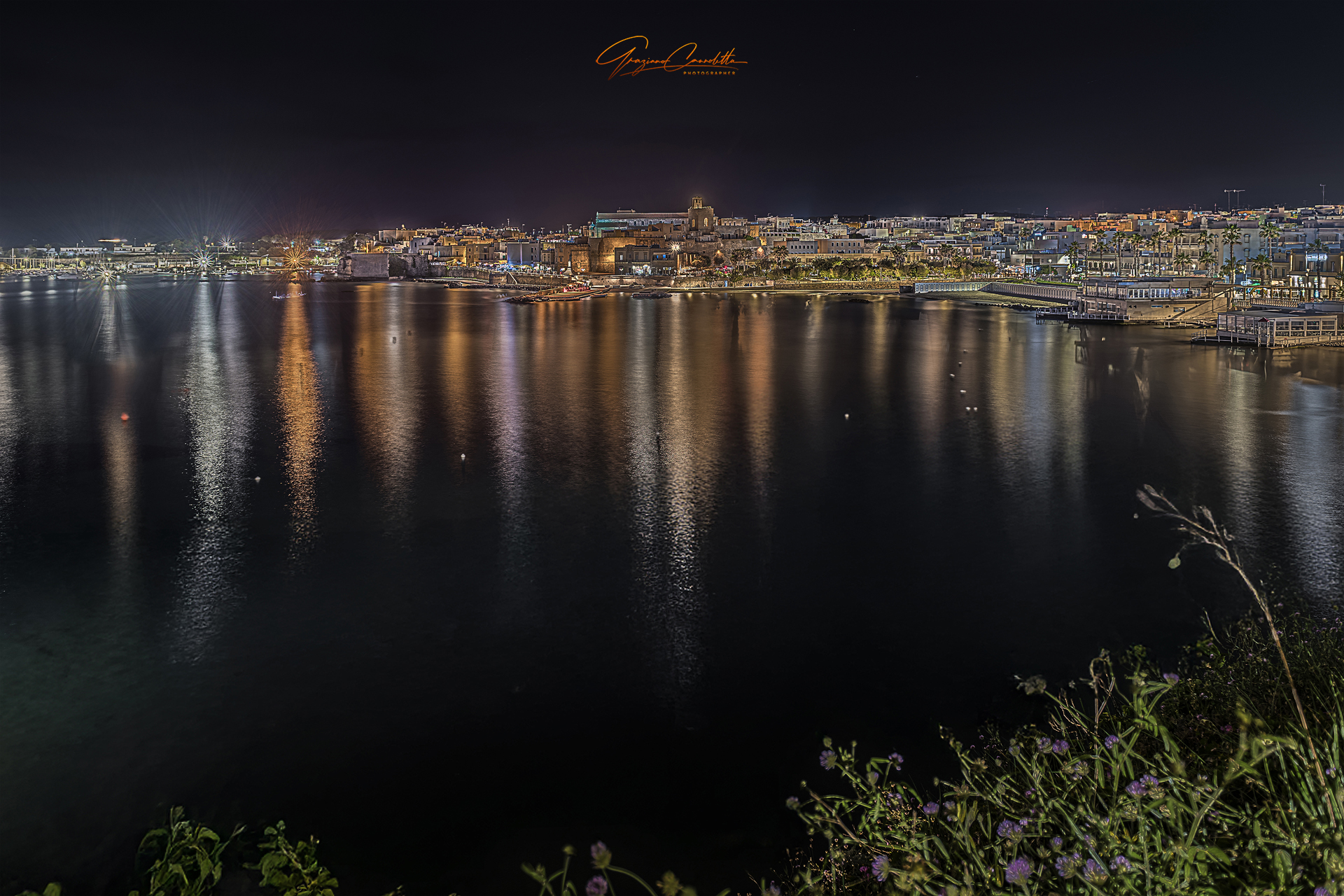
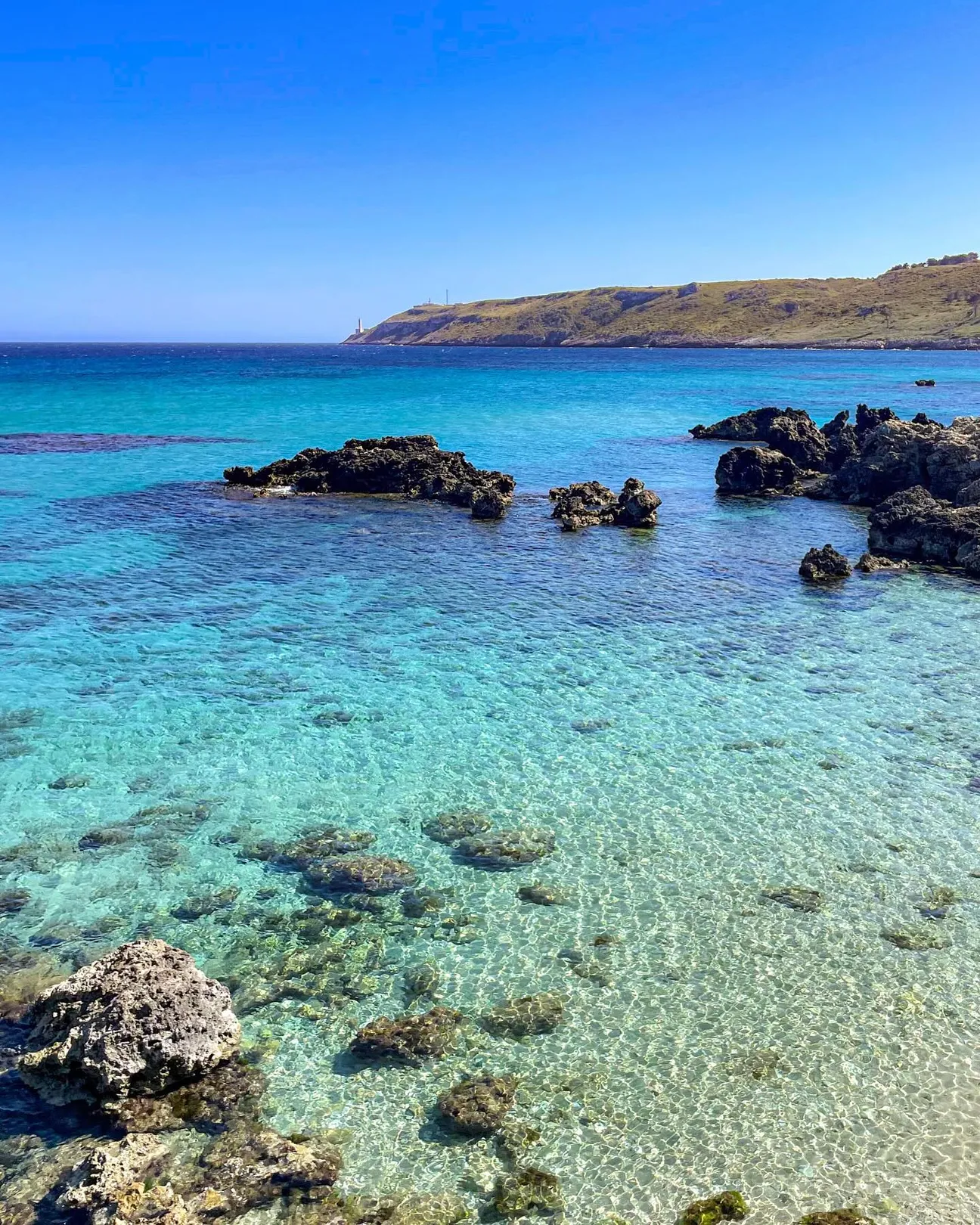
Cala di Grotta Monaca
Puglia · Salento · Adriatic Sea · Otranto

Cala di Grotta Monaca

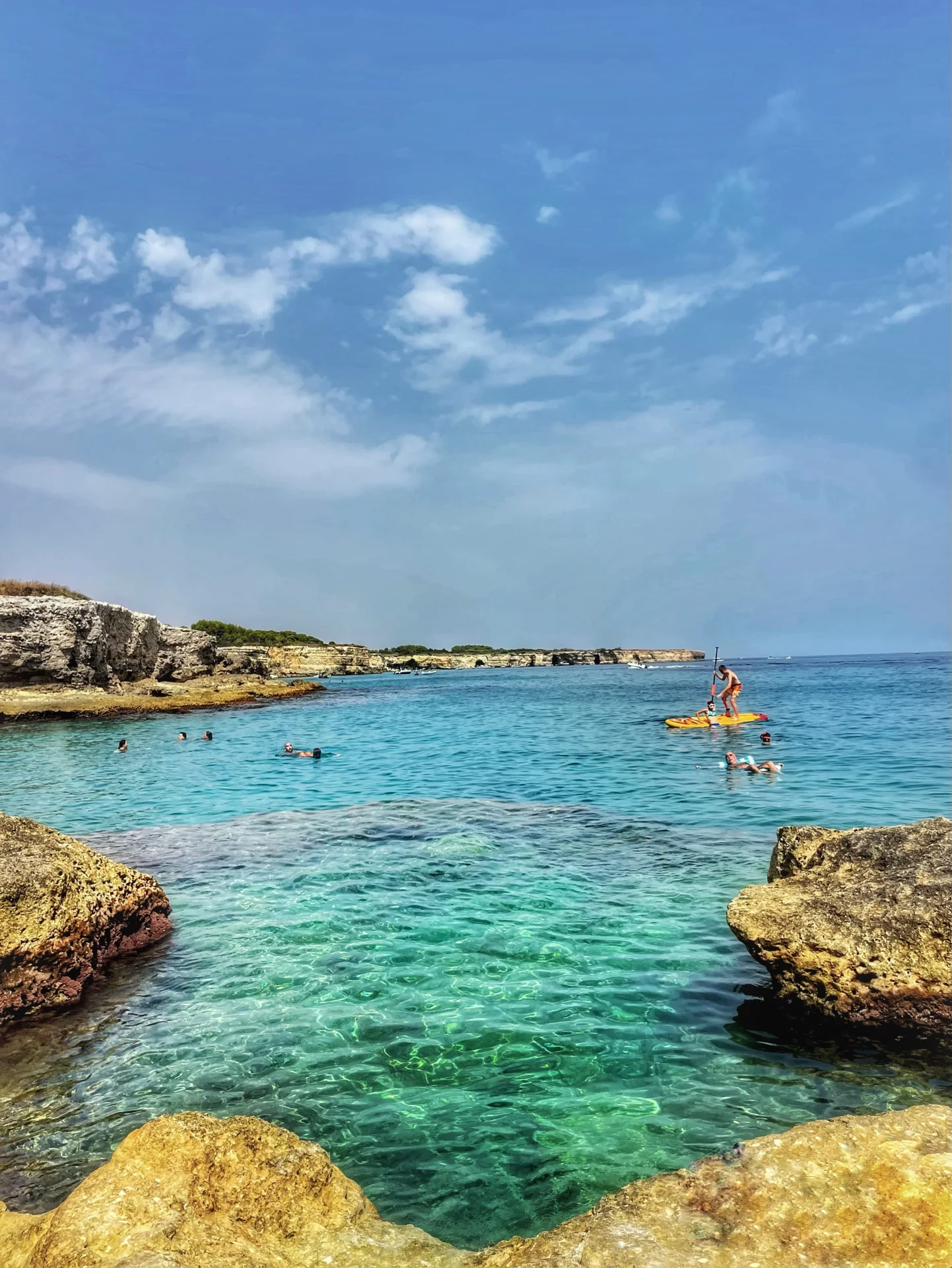
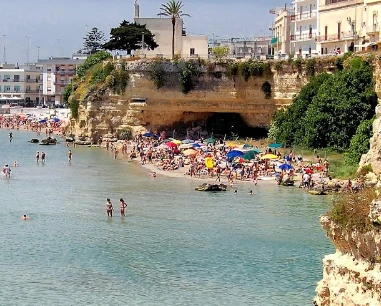
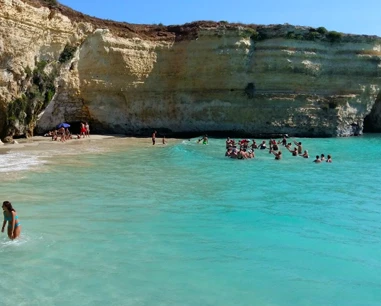
A rocky cove on Otranto’s northern coast, known for its large semi-submerged cave. Today the visit must be planned around cliff-safety rules first: maritime restrictions linked to landslide risk are listed for this stretch of coast.

Grotta Monaca: what to know before you go

That is no longer responsible without checking current rules: the nautical guide lists restrictions on bathing and other activities within safety distances from the cliffs in this sector of Otranto.

Rocky cove: do not expect a proper sandy beach

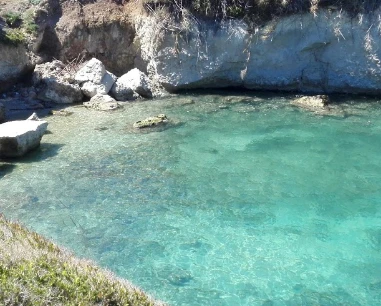
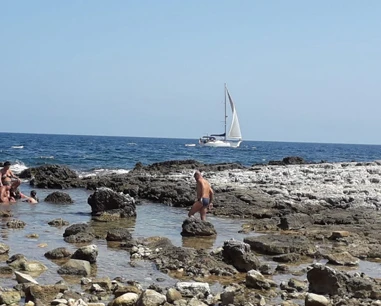
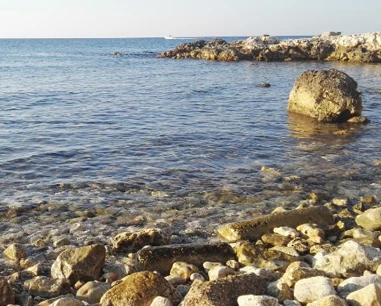
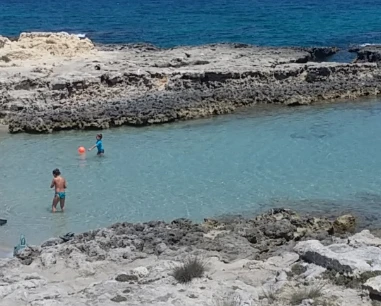
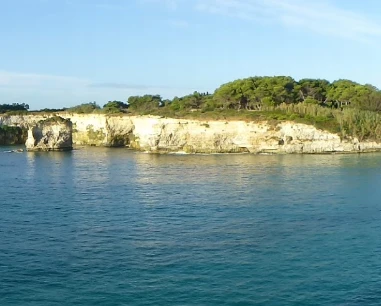
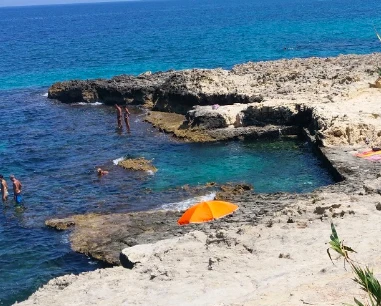
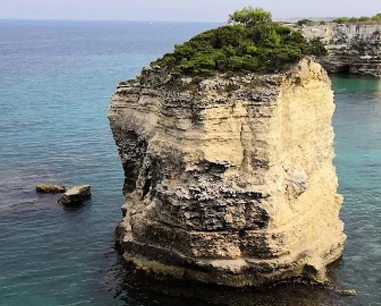
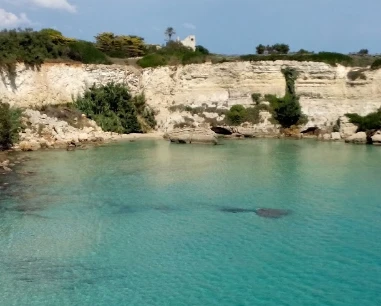
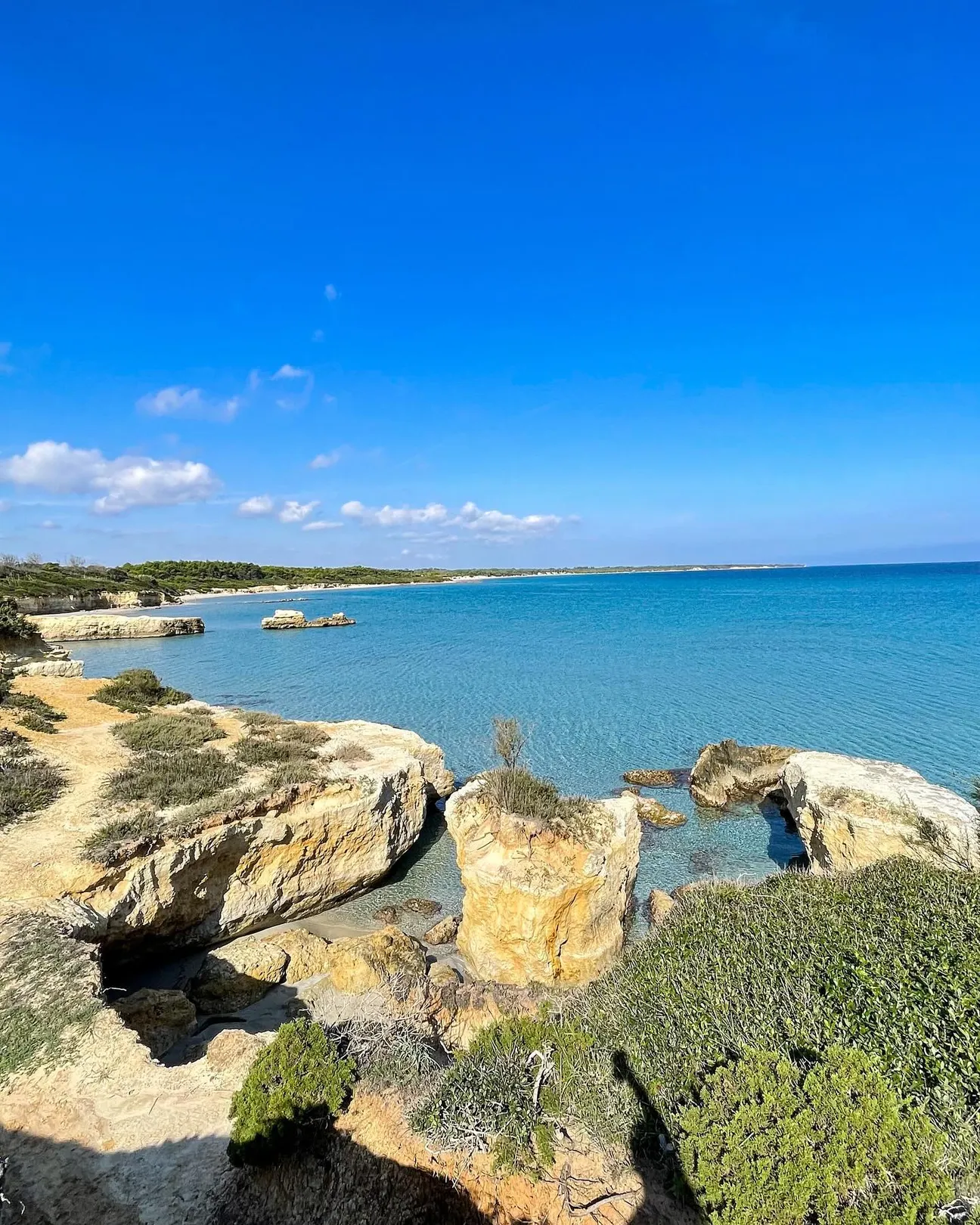
The cove cuts into the calcarenite cliffs north of Otranto. Small sand or gravel deposits may occur, but the setting is mainly rock and usable space is limited.

How to view it

More as a coastal landscape and nature stop than a comfortable conventional beach.

Current warning: cliff-fall restrictions apply along this coast

The 2026-updated P7 nautical guide still lists bans, within variable 30–50 metre distances from the coast, on bathing, navigation, stopping, fishing and underwater activities in several Otranto cliff sectors, including the stretch reaching Grotta Monaca and the nearby Canalone.

Before considering a swim

Check signs, buoys and current orders. If the sector is restricted, view the cove from land and stay out of the water.

Advertisement

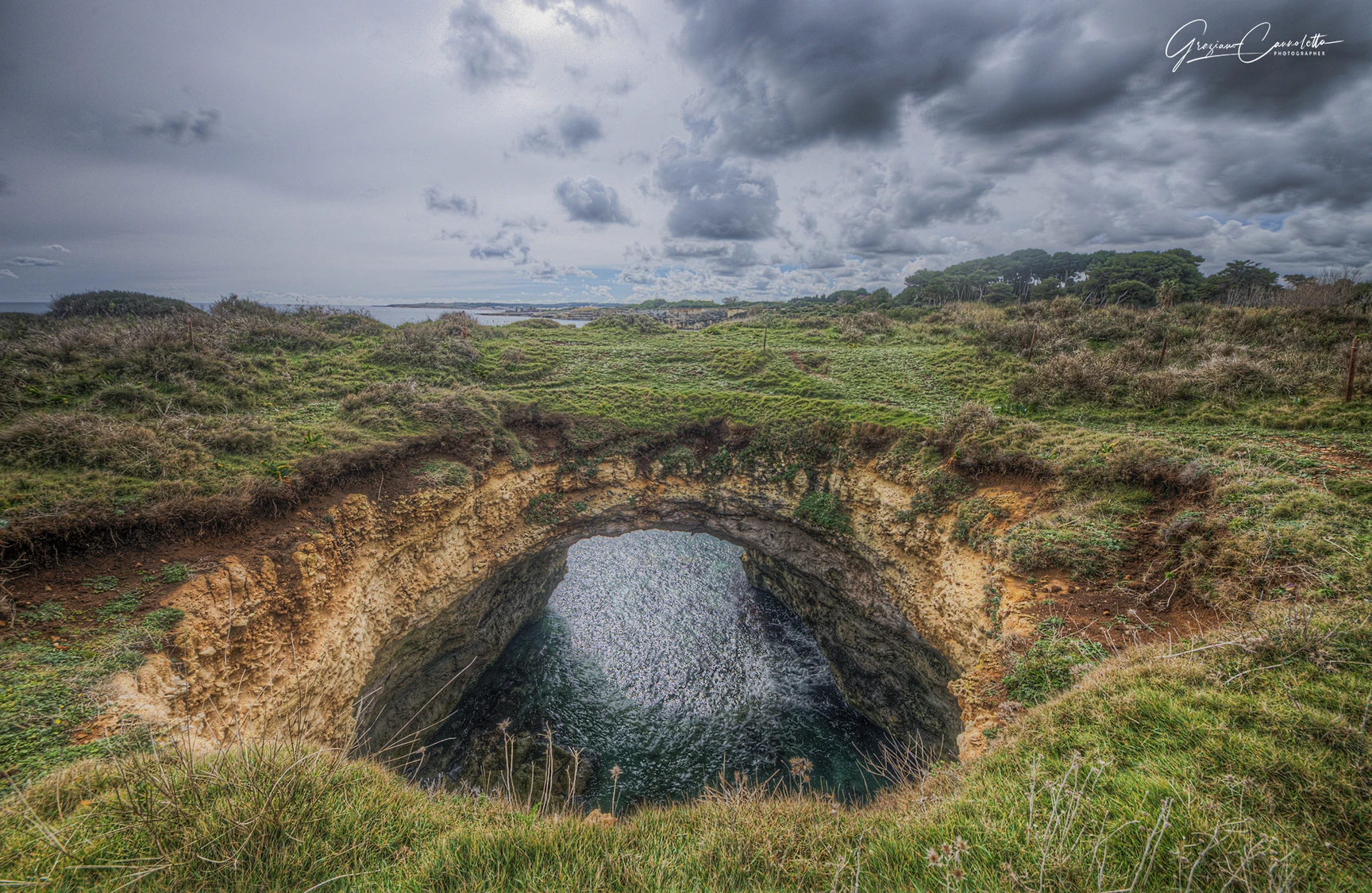
Grotta della Monaca: about 100–110 m of development, not 80 m deep

The cave is registered as Pu 152 in the Apulian Cave Register. A 1999 speleological study describes about 110 m of mainly horizontal development; later inventories give about 100 m.

Important correction

The old “80 metres deep” wording was misleading: this refers to internal cave development, not vertical sea depth.

Bats: an important cave for roosting species

A 2001 study recorded a breeding colony of about one thousand Miniopterus schreibersii in the large sea-filled chamber, then the largest documented nursery for the species in Puglia. We cannot assume the colony is the same size today.

Do not disturb

Avoid noise, bright lights and approaching roosting areas.

Monk seal: a local naming tradition, not proof of current presence

Local tradition links the cave’s name to Mediterranean monk seals said to have used these waters in the past. We found no site-specific scientific evidence supporting a current stable presence.

How we present it

Keep the traditional explanation without turning it into a zoological certainty.

Walking access along Otranto’s northern coastal paths

Grotta Monaca features on routes from Otranto through Staffa, Cafaro and San Pietro dei Canali. The surface is largely dirt and rock, and approaching cliff edges requires care.

No shortcuts

Stay on clear paths and respect fences, warning signs and safety distances.

Interesting seabed, but safety comes before snorkelling

Descriptions mention sandy bottom in some sectors beneath the cave and rock along the margins, with cavities and changing depth.

Practical rule

Never use the seabed’s appeal as a reason to enter a restricted bathing or diving zone.

Families: better as a scenic walk than a children’s beach

Paths, cliffs, limited space and possible restrictions make this unsuitable for a simple beach day with young children.

With children

Choose an authorised, easy-access urban beach in Otranto for swimming.

Rock jumps: caution and current rules come first

With landslide-prone cliffs and maritime restrictions, encouraging jumps is no longer appropriate.

Clear advice

Do not jump from the cliffs and do not enter restricted water, even if other people do.

Snorkelling and diving: only where and when permitted

Grotta Monaca is naturally interesting, but cliff-safety orders may prohibit underwater and surface activities inside the safety zone.

Before using a mask

Confirm the permitted perimeter; choose another authorised coast sector if necessary.

Adriatic waves and backwash increase risk on rock

Even outside restricted areas, waves on the cliff make approach, exit and small footholds less safe.

When to stop

With waves, strong wind or poor visibility, remain on the path and enjoy the view.

Parking: no dedicated public space is guaranteed at the cove

We do not promise a specific public car park for Grotta Monaca. In 2026 Otranto municipal parking is charged from 1 April to 31 October; private parking may also exist nearby, with conditions to be checked.

Practical option

Walk from town if appropriate; if driving, use authorised parking only.

Facilities: bring your own; this is not a beach club

No public beach facilities are guaranteed in the natural cove. Bars and accommodation nearby are separate private businesses.

Prepare first

Bring water, hat and sun protection even for a walking-only visit.

Accessibility: the cliff path is not barrier-free sea access

We found no assisted-bathing service specifically at Grotta Monaca. In 2026 the municipality instead runs Otranto Inclusive Beach at Gradoni with boardwalks, beach wheelchairs, accessible changing rooms and assistance.

A concrete alternative

For mobility needs use the equipped Gradoni service and treat Grotta Monaca as a viewpoint only if the path is suitable.

Hiking: one of the best ways to experience this coast

Guided northern-coast routes include Grotta Monaca in 6 or 12 km walks across dirt paths, rock, Mediterranean scrub, coves and caves.

For a safer walk

Wear suitable shoes, carry water and keep away from cliff edges; weather can alter the route.

Best for

Walkers, photographers, geology and nature enthusiasts, and visitors wanting to see one of Otranto’s notable sea caves while respecting restrictions.

The real value

Today we recommend it mainly for landscape, cave and walking, not as an invitation to swim.

Less suitable for

Anyone wanting sand, a serviced beach, easy access with toddlers, guaranteed swimming, cliff jumps or snorkelling without checking orders and cliff distances.

Alternative

For a conventional beach day use authorised Otranto beaches.

What to bring

Walking shoes, water, hat, sunscreen, charged phone and binoculars or camera. Mask and fins only make sense after confirming the chosen sector is legally accessible.

Safety first

Do not turn the visit into a sea entry if signs or orders prohibit it.
Images are shown from the archive when specifically associated with Cala di Grotta Monaca.

Book a beach umbrella

Beach clubs and bathing establishments linked to this location.

Advertisement

Is your beach club missing?

Add it to the portal for free.

Add beach club

Visit other beaches in the same seaside resort (Otranto)

San Pietro dei Canali, Grotta dell’Eremita and Mulino d’Acqua lie on the same cliff coast; access and restrictions must be checked for each place.

Spiaggia di Calamuri

Spiaggia di Calamuri

“Calamuri” is a real place-name south of Otranto, also confirmed by the Speleological Register through Vora Calamuri. No institutional boundary for a standalone beach was found, so the pin is an area reference rather than a certified sea access.

Spiaggia di Punta San Nicola

Spiaggia di Punta San Nicola

The historic guide also used the local name “Filu de Mienzu”. The maritime ordinance officially identifies “Spiaggia San Nicola” on the cliff southeast of the harbour and defines a restricted sea area because of landslide risk.

Advertisement
Spiaggia degli Scaloni

Spiaggia degli Scaloni

This central beach is also known as Spiaggia dei Gradoni: fine sand, free and serviced sections, with immediate access from the promenade.

Riviera degli Haethey

Riviera degli Haethey

An urban beach just north of central Otranto, with fine sand, generally shallow water in the sandy sections, free areas and nearby beach clubs: convenient if you want sea and town within walking distance.

Faro di Punta Cràulo

Faro di Punta Cràulo

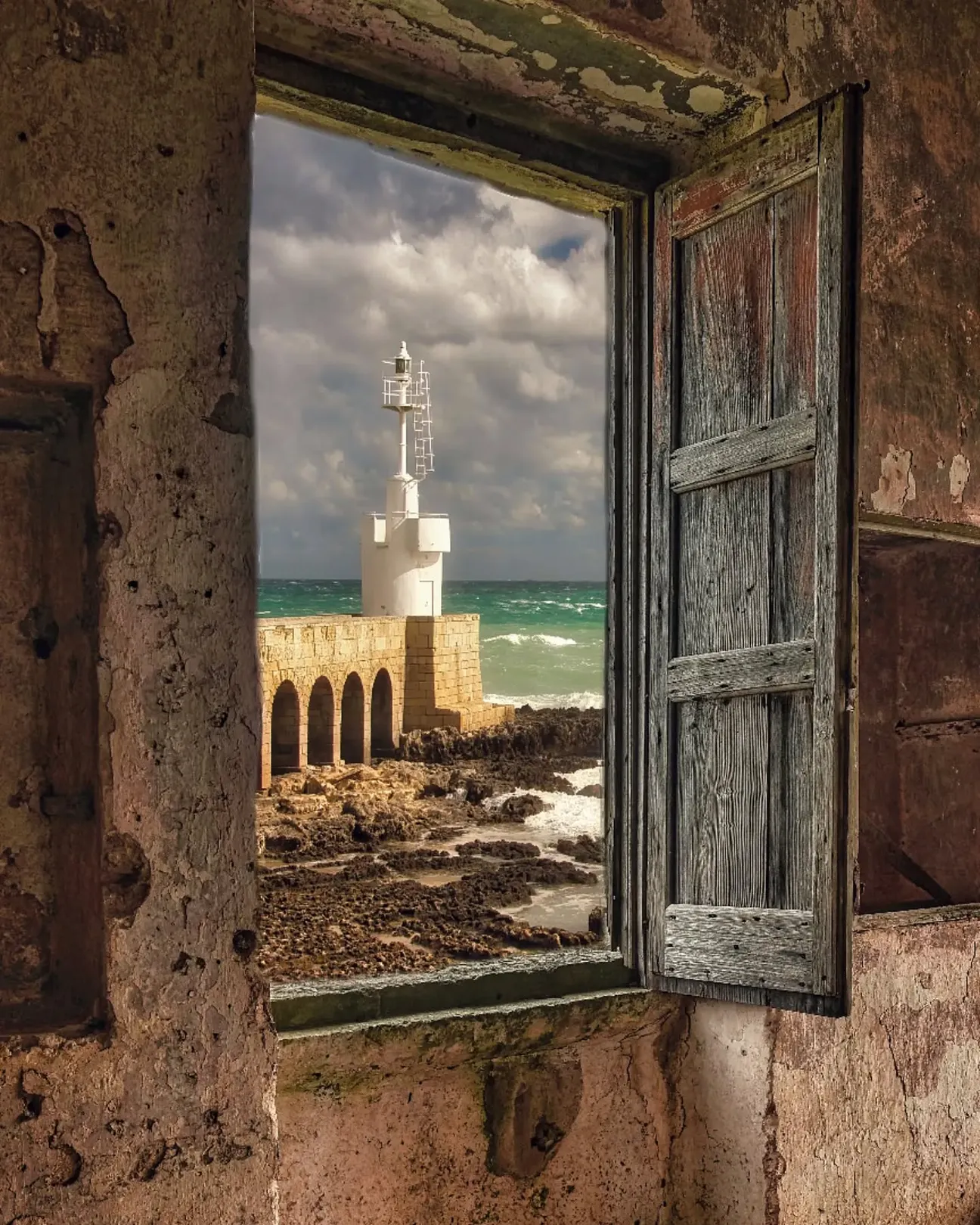
Otranto’s white maritime light at Punta Craulo, north of the harbour, beside Porto Craulo beach and low rocky shoreline.

Lido della Staffa

Lido della Staffa

A small free cove north of Otranto between La Castellana and Canale del Càfaro, with a mixed sand-and-rock shoreline.

Canale del Càfaro Cove

Canale del Càfaro Cove

A small rocky inlet on Otranto’s northern coast, between Staffa and the coves towards Grotta Monaca: clear water, paths and steps for access, an interesting seabed for snorkelling and virtually no facilities in the cove itself.

Spiaggia della Cattapìgnula

Spiaggia della Cattapìgnula

Cattapìgnula means “bat” in local dialect; local sources describe a cave used by bats and a sea-accessed cavity. The pin is approximate for the coastal sector.

Cala di San Pietro dei Canali

Cala di San Pietro dei Canali

A small rocky cove north of Otranto on the Hermit Trail, among caves and low limestone cliffs.

Grotta dell’Eremita

A large sea cave north of Otranto in the Mulino d’Acqua cave system, close to several neighbouring caves.

Scoglio di Sapunerò

Scoglio di Sapunerò

Sapunerò is a rocky landmark on Otranto’s northern coast, along the route between Grotta Monaca and Mulino d’Acqua; the pin is approximate because no standalone institutional coordinate was found.

Mulino d’Acqua Bay

Mulino d’Acqua Bay

A spectacular bay of cliffs, small inlets and sea caves. Today, however, the most important thing to know before you go is that sea access, bathing and remaining below the cliff are affected by safety restrictions.

Grotta Sfondata

Grotta Sfondata

Otranto’s famous coastal cave with a collapsed roof and a large opening to the sky, in the Mulino d’Acqua cave system.

Baia Imperia

Baia Imperia

A secluded rocky bay north of Otranto, between the Mulino d’Acqua sector and Torre Santo Stefano, commonly visited from the sea.

Torre del Serpe

Torre del Serpe

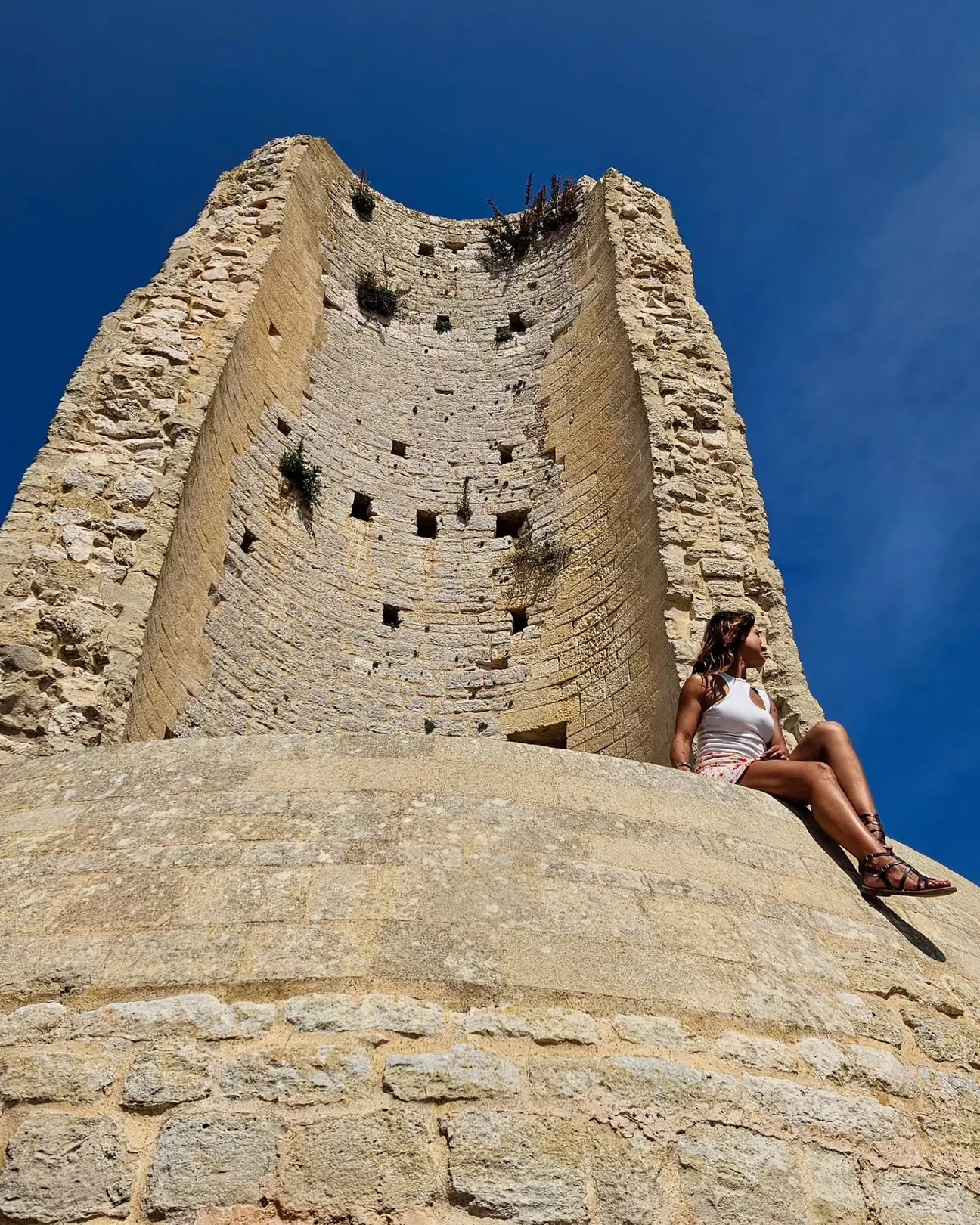
The ICCD cultural-heritage record describes Torre del Serpe as a coastal tower about 200 m from the sea and 35 m above it; tradition links it to an earlier lighthouse, while today it survives as a partly ruined structure.

Grotta delle Conchiglie

A sea cave in Mulino d’Acqua Bay, immediately beside Grotta Sfondata and reached from the sea.

Lungomare di Otranto

Lungomare di Otranto

This guide mainly covers Lungomare degli Eroi, the public promenade beside the historic centre; it should not be confused with Lungomare Terra d’Otranto or Lungomare Kennedy.

Salentissimo.it

Services near Cala di Grotta Monaca

Choose a service and view all available businesses and information on its dedicated page.

Continue along the coast

Return to Otranto or continue between Baia delle Orte and Torre Santo Stefano.

Frequently asked questions about Cala di Grotta Monaca

Practical answers about restrictions, the cave, access, seabed, children, parking and safety.

Is Grotta Monaca a sandy beach?
No. It is mainly a rocky cove beneath cliffs; any small sandy deposits do not create a broad stable beach.
Can I swim at Grotta Monaca?
Do not assume so. The 2026-updated nautical guide lists bathing and other restrictions within 30–50 m safety zones on this cliff sector because of landslide risk. Check current signs and orders.
Is the cave 80 metres deep?
The old wording was inaccurate. A 1999 speleological study gives about 110 m of mainly horizontal development; later inventories give about 100 m.
Can I enter the cave by swimming?
The cave is semi-submerged and historically accessible from the sea, but any entry today depends first on cliff-safety restrictions and sea conditions. Do not enter a restricted area.
Are there bats?
A 2001 study documented a large Miniopterus schreibersii nursery. We do not assume the colony is the same size today, and wildlife must not be disturbed.
Does the name come from monk seals?
That is the local traditional explanation. We found no site-specific scientific proof of a current stable monk-seal presence.
Is it suitable for children?
More suitable as a scenic walk than a children’s beach. Choose an authorised easy-access beach for swimming with young children.
Can I snorkel?
Only in sectors where current orders allow it. Cliff-safety restrictions also cover underwater and surface activities within specified distances.
Can I jump from the cliffs?
We do not recommend it. The cliffs are subject to landslide risk and the old encouragement to jump is no longer appropriate.
Where can I park?
There is no guaranteed dedicated public car park. Otranto municipal parking is regulated and in 2026 charged from 1 April to 31 October; verify any private parking separately.
Is it accessible for reduced mobility?
No specific equipped sea access is confirmed. In 2026 Otranto Inclusive Beach at Gradoni provides boardwalks, beach wheelchairs and assistance.
What has changed over time?
The main change is safety: swimming, cliff jumps and cave entry are no longer presented as normally recommended because current coastal rules include landslide-related restrictions.