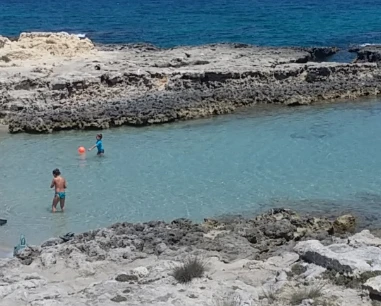
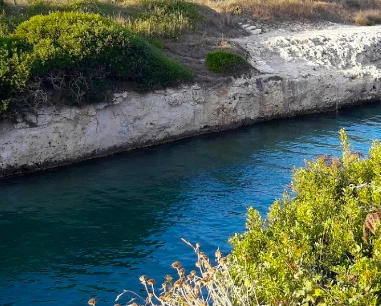
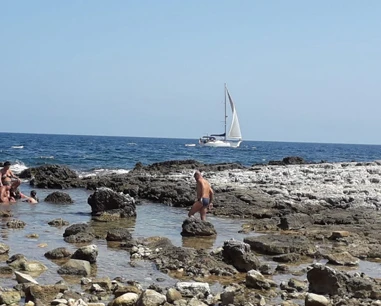
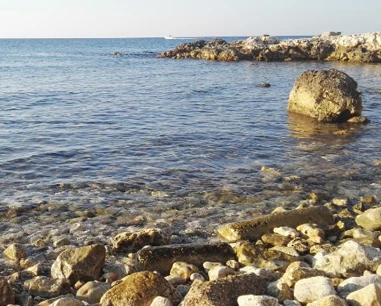
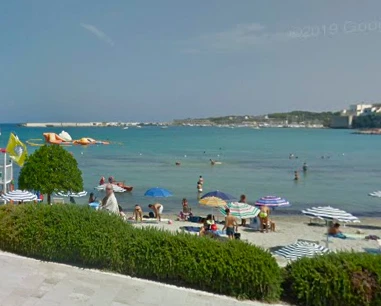
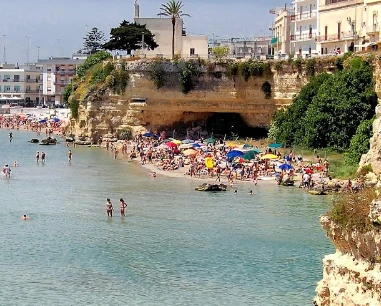
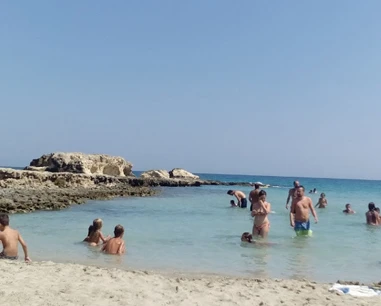
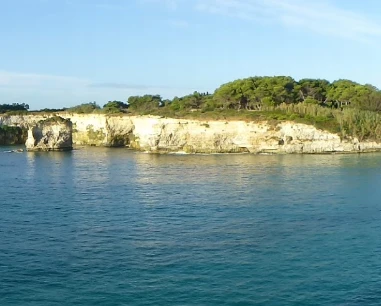
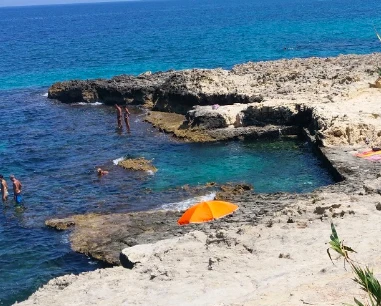
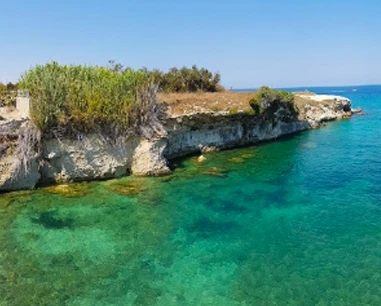
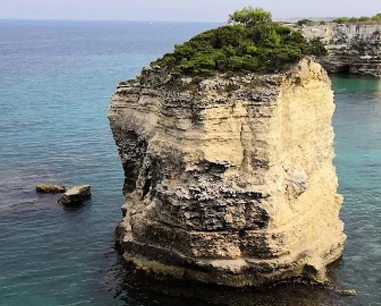
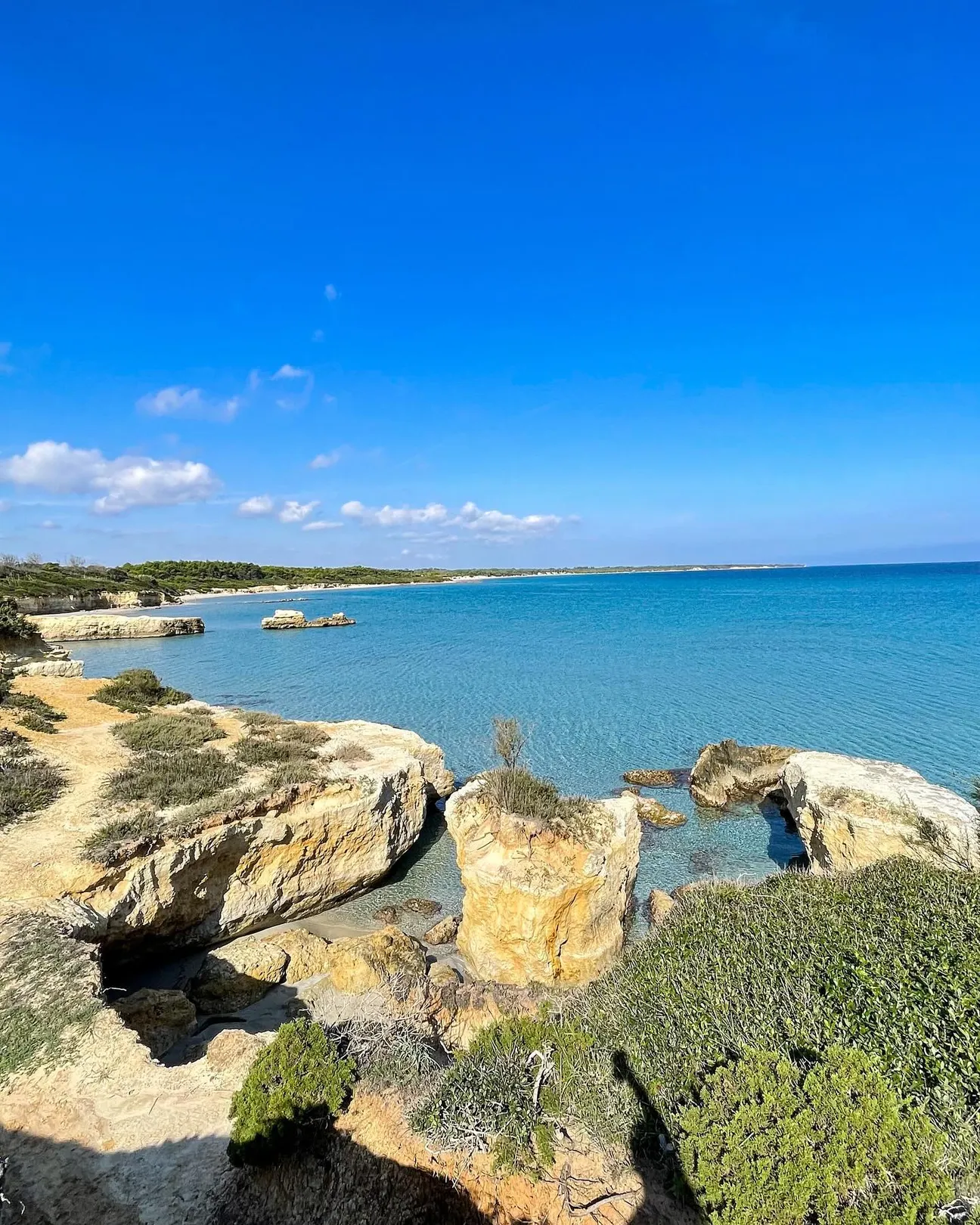
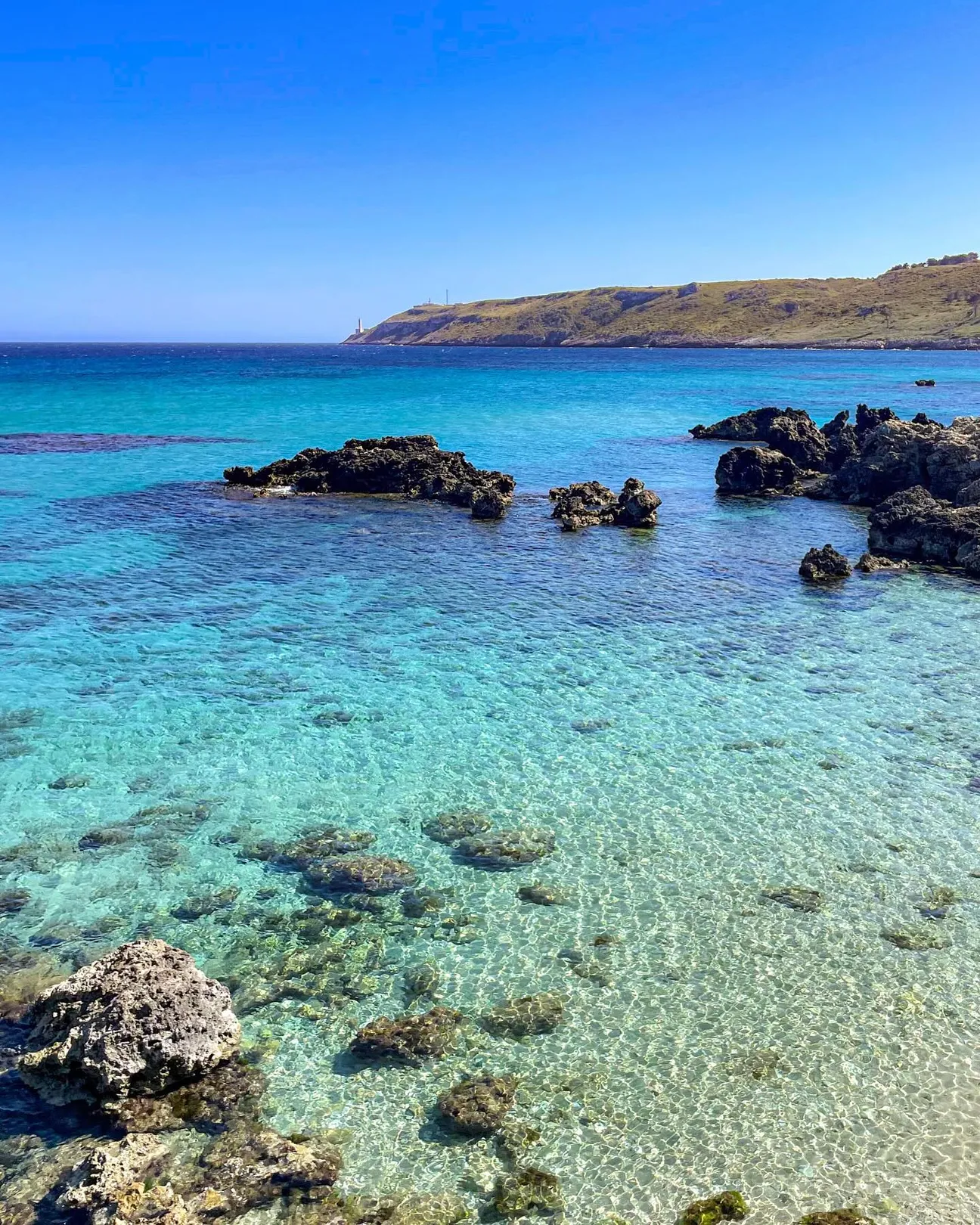
Small rocky cove, not a sandy beach
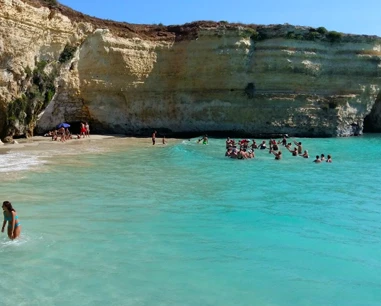
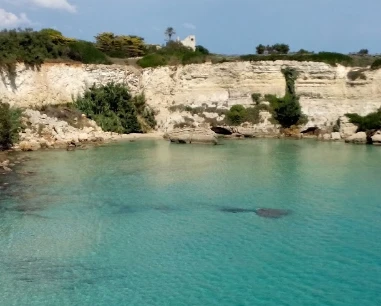
Canale del Càfaro is a natural cut in the coast with pale rock, small recesses and places to sit on rock. Current descriptions identify it mainly as a rocky shore: do not expect a continuous soft golden beach.
Where to sit
Bring a thick towel or mat and choose a stable platform without blocking steps or access.
Walking access from Staffa – Via Cerra
The cove lies just north of Staffa in the Via Cerra sector. It is reached by the coastal route, with the final sea access using steps and rocky passages; confident walkers can also reach the area on foot from central Otranto.
Footwear
Shoes or secured sandals are more comfortable than flip-flops on the land section.
Advertisement
Rocky, mixed seabed: not uniformly shallow
Older descriptions claimed shallow water for long stretches, but the shape of the cove does not support that generalisation. Rock, stones and small sediment pockets alternate, with depth changing across the inlet.
Before swimming
Check footing and depth at your chosen point. Water shoes are recommended.
Families: better with older children who are independent in the water
Families used to rocky coasts may enjoy the cove, but it is not an ideal toddler beach. Steps, little space, irregular seabed and lack of facilities make the day more demanding.
With young children
For sand, gradual entry and facilities, Otranto’s urban beaches are easier.
Rock jumps: only after checking the exact point
Some swimmers jump from the surrounding rock, but variable depth and submerged rock make it unsafe to copy people who know the place without checking for yourself.
Essential rule
Never jump blindly. Check depth, seabed, waves and people in the landing area.
Snorkelling: one of the best reasons to choose the cove
Rock, crevices, light effects and changing depth make Canale del Càfaro interesting with mask and snorkel. It also appears in coastal walking-and-snorkelling itineraries north of Otranto.
Best conditions
Go in calm water, stay near shore and avoid narrow or dark cavities you do not know.
Caves and tunnels: interesting to observe, not to improvise
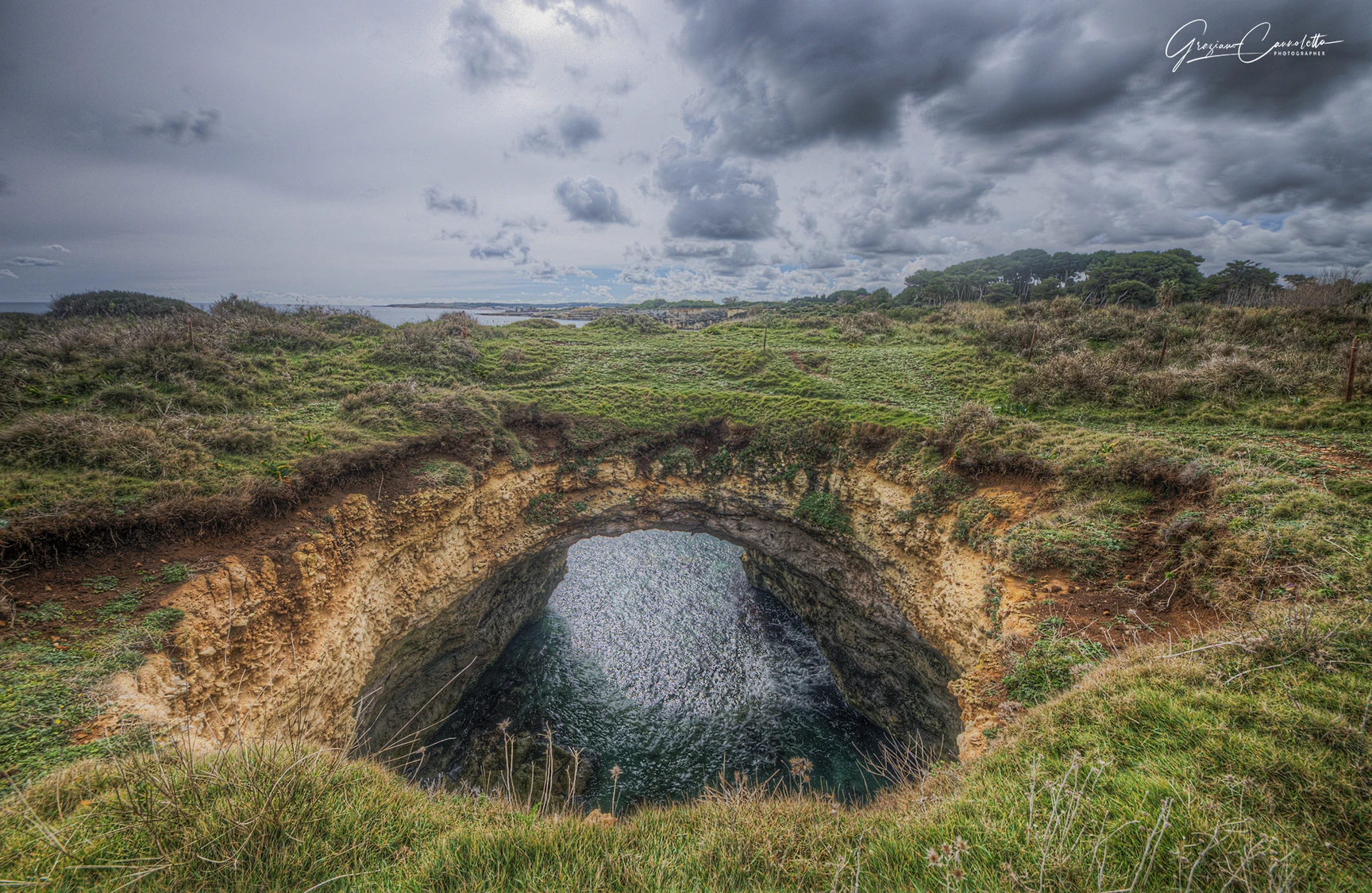
Coastal cavities are mapped in the area, including Grotta del Canale del Cafaro and a nearby tunnel. They are part of the geological landscape, but waves and confined spaces can make casual exploration risky.
Take care
Observe openings from outside unless you have experience and genuinely favourable conditions.
Adriatic conditions: waves make access much harder
The cove is best in calm water, when the sea is easier to read and climbing back out is straightforward. When waves hit the rock, entry and especially exit can become difficult or dangerous.
Before descending
Look at the sea from above. If waves are breaking over the steps or handholds, choose another beach.
Swimming: rewarding for confident swimmers, less so for beginners
The enclosed shape and clear water invite swimming, but without a continuous sandy entry you need more confidence. Less experienced swimmers should remain close to the exit point.
Stay oriented
Always keep a clear reference for returning to the steps, especially if wind or current increases.
Parking: plan it before descending
There is no confirmed dedicated public car park for the cove. Otranto manages multiple paid parking areas and in 2026 municipal parking is charged from 1 April to 31 October. Availability around the northern coast varies greatly in summer.
Practical option
If you are already in Otranto, consider walking. If driving, check signs and charges before leaving the car.
Do not expect facilities inside the cove
Canale del Càfaro retains a natural character: do not assume bars, showers, public toilets, equipment hire or dedicated assistance on the rocks. Hotels, bars and businesses are in nearby urban areas.
Bring your own
Prepare water, sun protection and beach essentials before going down.
Accessibility: steps and rock are a real limitation
We found no confirmation of a barrier-free public route or assisted-bathing service specifically at Canale del Càfaro. The final path, steps and rock can be difficult with reduced mobility.
Verified alternative
In 2026 Otranto Inclusive Beach operates at Gradoni beach with platforms, beach wheelchairs, accessible changing areas and assistance.
Coastal walking: the cove is a stop on the northern route
Canale del Càfaro lies on a coastal route linking Staffa, Cattapìgnula, San Pietro dei Canali, Grotta Monaca and further coves towards Mulino d’Acqua. Routes mix dirt track and rock and are more demanding than a seafront promenade.
If continuing north
Carry water, wear suitable shoes, avoid peak heat and stay away from cliff edges outside clear routes.
Crowds: the cove is tiny
Even when quieter than famous beaches, usable space is very limited. A few people can quickly occupy the best rock platforms and areas around the steps.
For a better visit
Go early or late afternoon and always keep entry and exit routes clear.
2026: no major cove transformation, but city mobility rules matter
We found no recent intervention that has transformed Canale del Càfaro itself. For visitors walking from town, however, Otranto reactivated seasonal ZTL restrictions from 15 June to 15 September 2026 and retains paid municipal parking from 1 April to 31 October.
Remember
Traffic rules are seasonal. In later years always recheck dates, hours and active gates before driving.
Best for
Confident swimmers, couples and younger visitors used to rocks, snorkellers and people who enjoy small natural coves within walking distance of Otranto.
Main appeal
Choose it for sea, rock and intimate atmosphere rather than convenience and facilities.
Less suitable for
Very young children, reduced mobility, anyone wanting sand under the towel, uniformly shallow water, parking beside the sea or full facilities on the beach.
Alternative
For an easier day choose one of Otranto’s sandy urban beaches.
What to bring
Water shoes, shoes or secured sandals for the path, a thick towel, water, sun protection, mask and snorkel. If staying long, consider compact shade without blocking access.
The two most useful items
Water shoes for the sea and stable footwear for the land route.