Grotta del Cavallo
Puglia · Salento · Nardò · Ionian Sea

Grotta del Cavallo

Grotta del Cavallo in Uluzzo Bay is one of Salento’s most important prehistoric sites. Its long Palaeolithic sequence has produced key evidence for the study of Neanderthals, the Uluzzian and early Homo sapiens in Europe. It should not be treated as an ordinary tourist swimming cave.

Grotta del Cavallo: What to know before you go

Checked practical information on access, sea conditions, services and safety. Italian Ministry of Culture records still document archaeological research permits in 2025 and ISPRA reports excavations in progress. The new page therefore prioritises protection and external viewing over the old idea of freely entering the cave.

Getting there and access

The site is reached on foot along trails in Porto Selvaggio Park and Uluzzo Bay. The cave is an archaeological research site with work still active: do not pass gates, fences or restriction signs and treat the visit mainly as an external view of the location.

Access

If an access point is closed or altered, do not improvise shortcuts: use authorised routes only.
Sea, coast and seabed

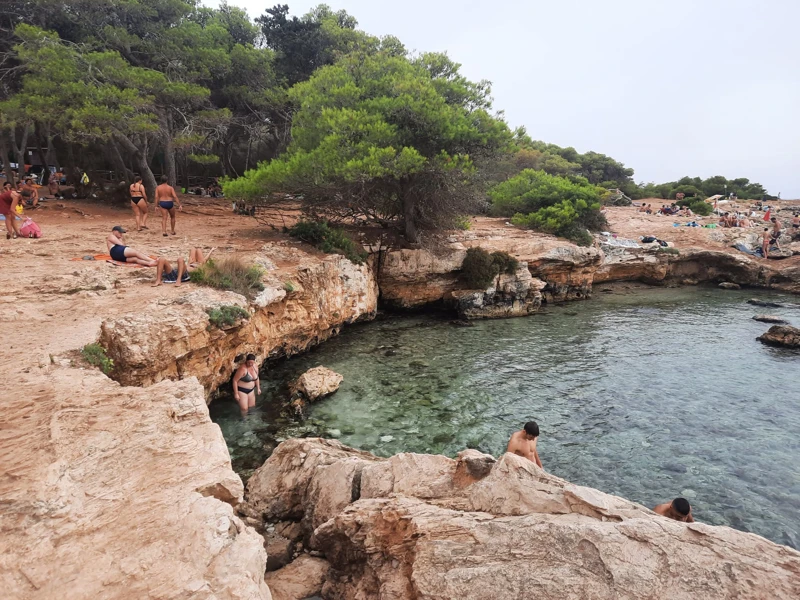
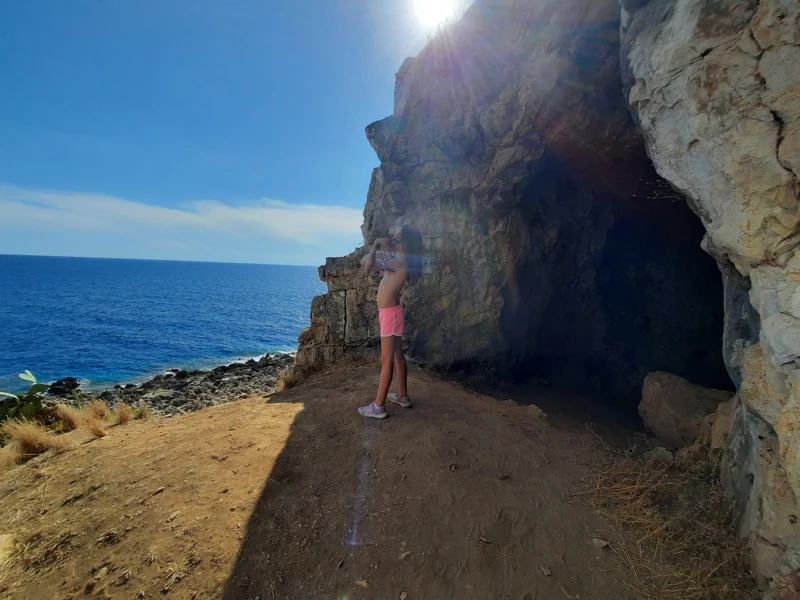
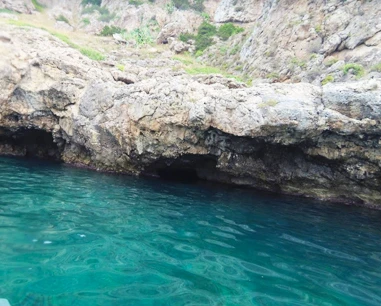
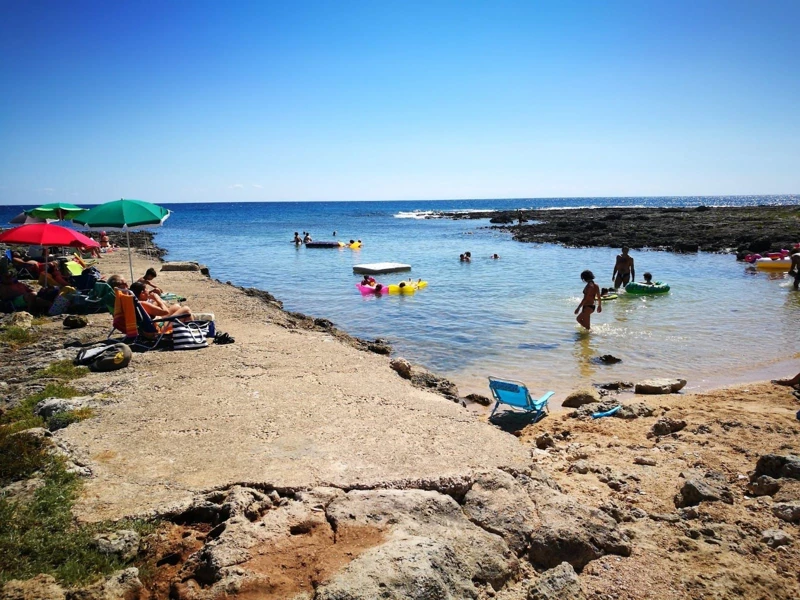
The cave opens on the rocky coast about 15 metres above sea level and is not a direct swimming access. Swim only from authorised, safer coastal points and do not use the archaeological site as a jumping spot.

Sea

Before moving away from shore, identify a safe exit point and do not enter if waves or current exceed your ability.

Advertisement

Families and children

With small children, choose only spots away from manoeuvring areas and with an easy entry; supervision and sea conditions remain essential.

Families

Before planning the day, consider access, distance from services, crowding and how easy it will be to get back.

Parking and services

There are no services at the cave. Arrange parking and water before entering the park; to understand the finds and history, the most useful reference is Nardò’s Museum of Prehistory.

Planning

Do not leave valuables visible in the car and do not occupy verges, access points or unauthorised spaces.

Accessibility

The setting is natural, with rock and uneven trails. There is no certification allowing the cave approach to be described as barrier-free; visitors with specific mobility needs should use the accessible viewpoints of the park instead.

Accessibility

If you have specific mobility needs, check before leaving whether the route is genuinely usable that day.

Wind and sea conditions

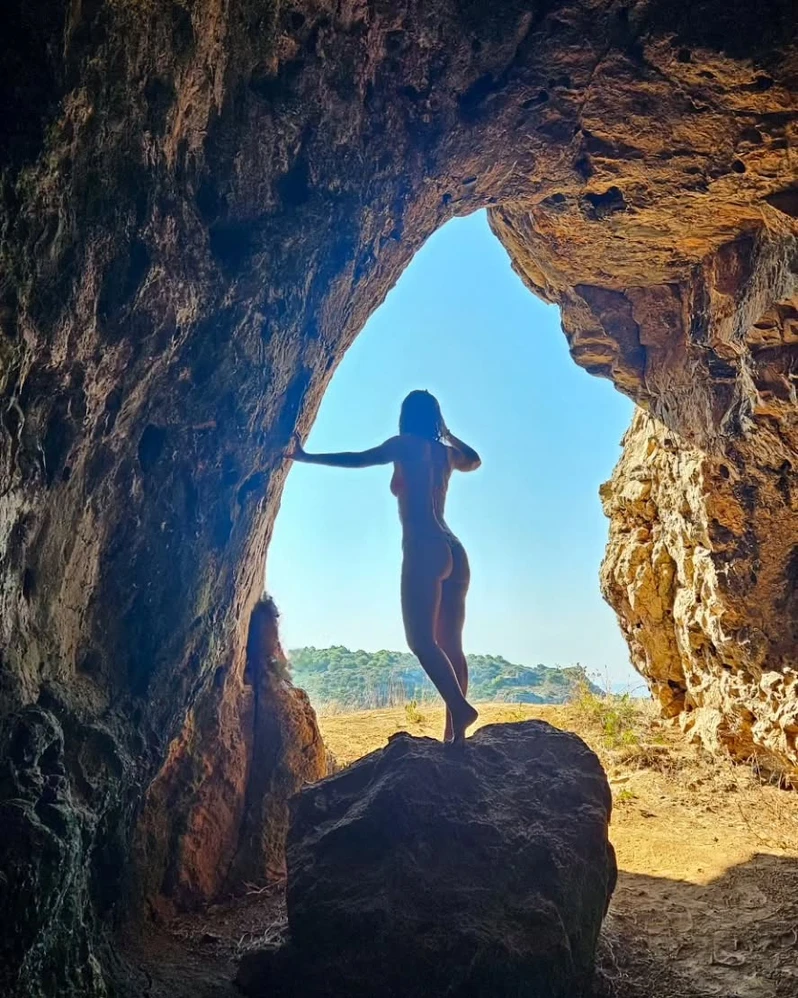
This is a protected scientific site on a natural cliff: respect barriers, do not climb the walls and do not enter the cave without authorisation.

Safety

Check actual access and conditions on site before relying on this information.

What has changed / rules to check

Italian Ministry of Culture records still document archaeological research permits in 2025 and ISPRA reports excavations in progress. The new page therefore prioritises protection and external viewing over the old idea of freely entering the cave.

Update

If signs or barriers on site are more restrictive than this guide, the instructions on site always take precedence.

Who it suits

Excellent for visitors interested in prehistory, archaeology, geology and cultural hiking. It is not a destination for a simple beach day with small children or for entering a show cave.

Recommended

Before deciding, pay particular attention to the access and safety cards, as they can completely change the experience.

Less suitable for

Less suitable for anyone seeking a sandy beach, easy access and services within a few metres.

Less suitable

If one of these limitations is decisive for you, compare a nearby location before setting off.

What to bring

Walking shoes, water, a hat and curiosity; for deeper context, combine the visit with Nardò’s Museum of Prehistory.

What to bring

Keep your phone and documents in a waterproof case and carry your gear in a compact backpack.

The gallery shows the available and verified photographs for this place.

Book a beach umbrella

Beach clubs and bathing establishments linked to this location.

Advertisement

Is your beach club missing?

Add it to the portal for free.

Add beach club

Visit other beaches in the same seaside resort (Porto Selvaggio)

Continue along the same coast with linked guides.

Serra Cicora Beach

Serra Cicora Beach

A small free cove in the northern sector of Porto Selvaggio and Palude del Capitano Regional Natural Park, between Torre Uluzzo and Torre Inserraglio. It is best enjoyed as a natural beach: mixed seabed, rocks and pebbles, clear water, snorkelling and very limited direct services.

Torre Uluzzo Bay

Torre Uluzzo Bay

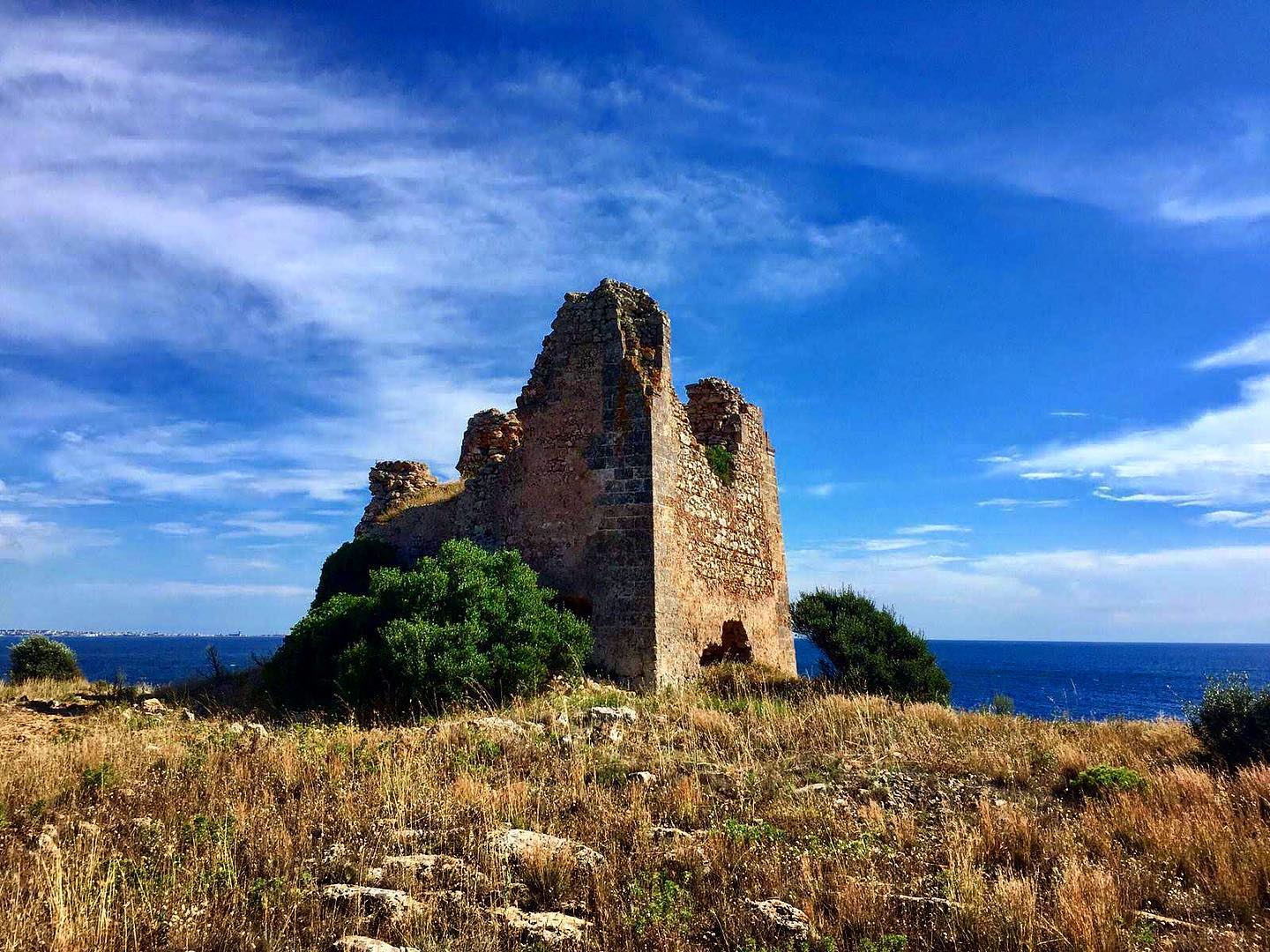
Torre Uluzzo Bay is one of the most dramatic and rugged stretches of Porto Selvaggio Park: cliffs, Mediterranean scrub, the remains of the 16th-century tower and an important archaeological landscape. It is not an easy beach and not a place for flip-flops.

Advertisement
Porto Selvaggio Beach

Porto Selvaggio Beach

A small pebble bay inside the natural park: the sea is spectacular, but before you go it helps to know where to leave the car, how far you need to walk, how the shuttle works and what to bring.

Caves of Porto Selvaggio

Caves of Porto Selvaggio

This page does not describe one cave: it is an overview of the cave and rock-shelter system of Porto Selvaggio and Uluzzo Bay. Grotta del Cavallo, Grotta di Uluzzu, Uluzzo C, Grotta Gaia and Green Cave have very different characteristics and access conditions and should be considered separately.

Santa Maria dell'Alto Tower

Santa Maria dell'Alto Tower stands about 50 metres above the southern edge of Porto Selvaggio Park. It is a historic and scenic stop, not a beach: its main attraction is the landscape of pine woods, cliffs and the Ionian Sea.

Lu Rinaru

Lu Rinaru is a small natural cove between Serra Cicora and Uluzzo Bay, on a rocky and lightly developed stretch of coast. In previous years the municipality designated it for bathing with dogs, but current local signage should be checked before automatically treating it as a dog beach this season.

Torre Uluzzo Cave

Torre Uluzzo Cave

The regional cave register records “Grotta di Uluzzu” in the same position on the tower headland: we keep the historical Salentissimo name while using the verified location and without promising easy access.

Grotta Gaia

Grotta Gaia is a coastal cave very close to Porto Selvaggio’s main bay. The Puglia cave register confirms its name and position, but the new page avoids presenting it as an “easy” cave to reach in all conditions.

Grotta Greta

Grotta Greta is a local name on Porto Selvaggio’s rocky coast. Official sources confirm the protected park and its many caves, but no official cave-registry coordinate was found under this name, so the pin marks the coastal sector rather than a certified entrance.

Green Cave

Green Cave

Porto Selvaggio’s Green Cave is a sea cave also recorded by the Puglia cave register. Green reflections and clear water make it striking, but its low entrance and swell can make it impassable: it is not a place to reach at any cost.

Salentissimo.it

Services near Grotta del Cavallo

Choose a service and view all available businesses and information on its dedicated page.

Continue along the coast

Navigation follows Porto Selvaggio between Torre Inserraglio and Santa Caterina.

Frequently asked questions · Grotta del Cavallo

Access, sea, parking, families, services and safety.

Where is it?
In Porto Selvaggio and Palude del Capitano Regional Natural Park, in the municipality of Nardò.
What type of place is it?
Palaeolithic archaeological cave
How do you get there?
The site is reached on foot along trails in Porto Selvaggio Park and Uluzzo Bay. The cave is an archaeological research site with work still active: do not pass gates, fences or restriction signs and treat the visit mainly as an external view of the location.
What is the sea or seabed like?
The cave opens on the rocky coast about 15 metres above sea level and is not a direct swimming access. Swim only from authorised, safer coastal points and do not use the archaeological site as a jumping spot.
Is it suitable for children?
Excellent for visitors interested in prehistory, archaeology, geology and cultural hiking. It is not a destination for a simple beach day with small children or for entering a show cave.
Where can you park and are there services?
There are no services at the cave. Arrange parking and water before entering the park; to understand the finds and history, the most useful reference is Nardò’s Museum of Prehistory.
Is it accessible for people with reduced mobility?
The setting is natural, with rock and uneven trails. There is no certification allowing the cave approach to be described as barrier-free; visitors with specific mobility needs should use the accessible viewpoints of the park instead.
Can you swim or snorkel?
The cave opens on the rocky coast about 15 metres above sea level and is not a direct swimming access. Swim only from authorised, safer coastal points and do not use the archaeological site as a jumping spot.This is a protected scientific site on a natural cliff: respect barriers, do not climb the walls and do not enter the cave without authorisation.
What is the main safety point?
This is a protected scientific site on a natural cliff: respect barriers, do not climb the walls and do not enter the cave without authorisation.