Archaeological site, not a swimming cave
Grotta Romanelli is one of Italy’s most important Palaeolithic archaeological and fossil sites. Its value today is primarily scientific and cultural, not as a bathing spot.
Good to know
Do not plan it as a cave to enter or swim inside.
Entry inside is forbidden
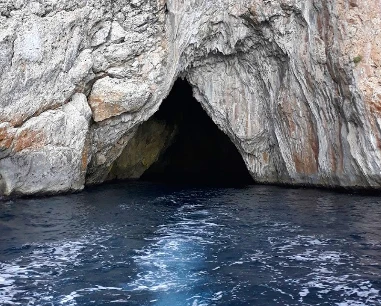
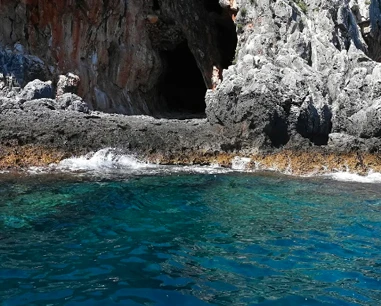
local public sources explicitly states that the cave is most conveniently reached from the sea, but access inside is forbidden.
Key rule
View the entrance from outside and respect all barriers and restrictions.
Advertisement
One chamber about 35 metres long
The City of Castro describes Romanelli as a single large chamber about 35 m long, around 7.5 m above sea level.
Small cave, huge importance
Its significance comes from its stratigraphy and finds rather than its size.
A record of several prehistoric phases
Sapienza-led research documents a long archaeological and palaeontological sequence with evidence of different phases of human presence and Pleistocene environmental change.
Why it matters
Romanelli remains an active scientific research site, not merely a historic monument.
Exceptional Palaeolithic art
In 2026 the University of Milan reassessed nine figurative stones, identifying sixteen graphic units including animals and a rare anthropomorphic subject, dated to about 13,400–10,400 years ago.
New since 2026
This is one reason Romanelli remains internationally important.
The engraved cave lion
A CNR-CNRS study reassessed an engraved cave-lion figure from Romanelli and dated it to about 12,700–11,000 years ago, among the latest European evidence for the animal.
Recent research
The stone is a museum-held artefact, not something visitors should look for on the cave walls.
How to see it: from the sea, staying outside
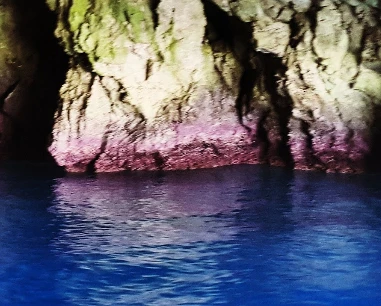
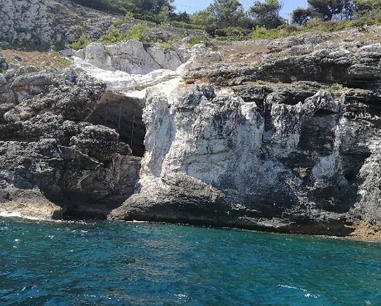
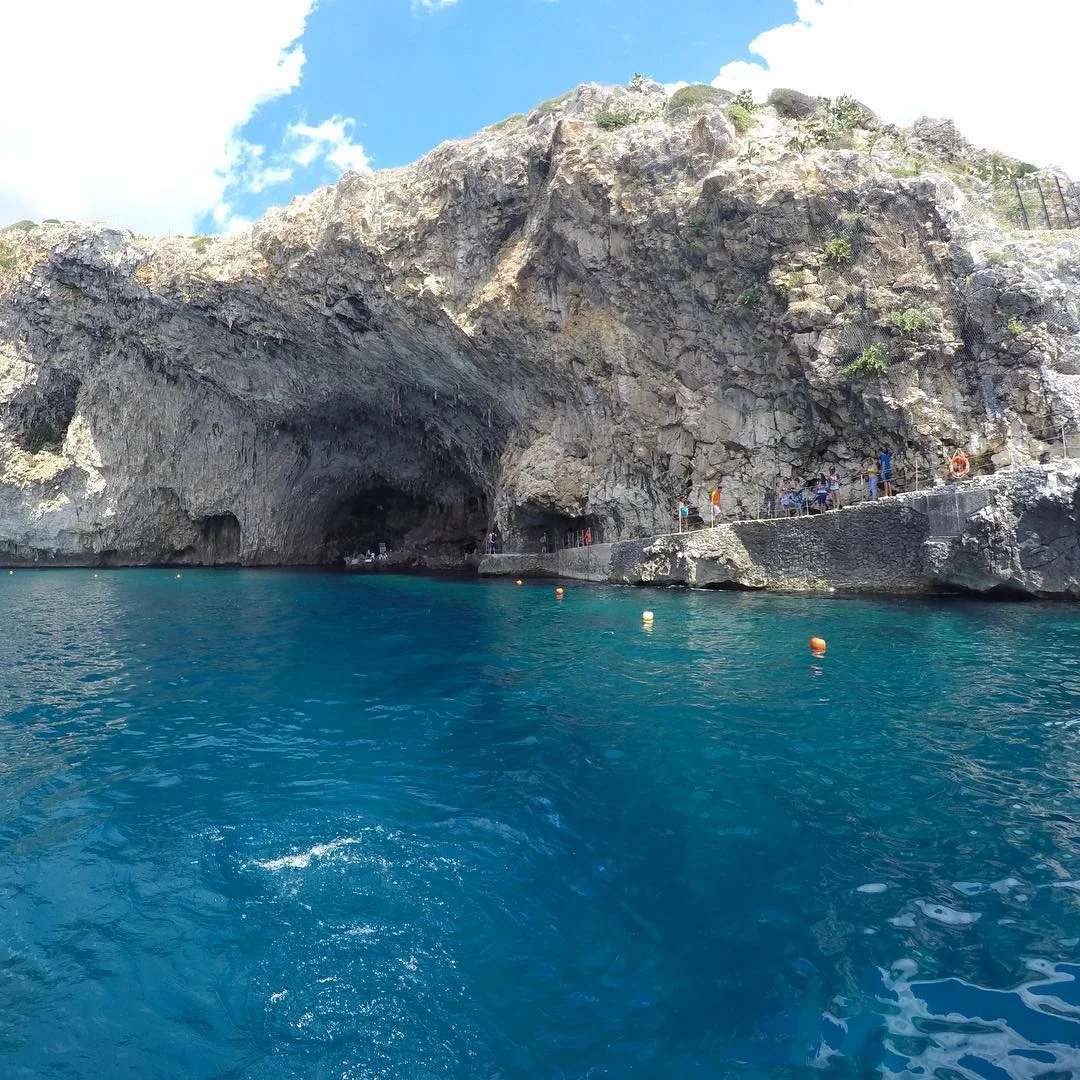
For visitors, the most sensible way to see Romanelli is to view its entrance while navigating Castro’s coast, without entering the cave.
Before you go
Ask the boat operator whether the route passes Romanelli and follow the skipper’s instructions.
Families: strongest for history and museum learning
The site has major educational value for children and teenagers, but the cave interior is not open to visitors. Castro Archaeological Museum also displays Upper Palaeolithic material from Romanelli.
Good combination
Boat trip for the coastline + museum for the archaeology.
Accessibility: no visitor route inside
Because entry is forbidden, there is no accessible tourist route inside Romanelli. Sea viewing depends on the vessel; for the finds, check museum accessibility.
Check first
Contact the boat operator or museum depending on your plan.
Parking: use Castro as your base
There is no dedicated parking at the cave. For a boat trip or museum visit, use legal parking in Castro according to your boarding point or destination.
High season
Allow extra time for parking and walking.
What to bring
For a boat trip: sunscreen, water, hat, waterproof phone case and a light layer against wind and spray. For the museum, simply check opening arrangements.
Most important
Respect an archaeological site that is still under study and never attempt to enter the cave.