A former mine transformed into a natural landscape
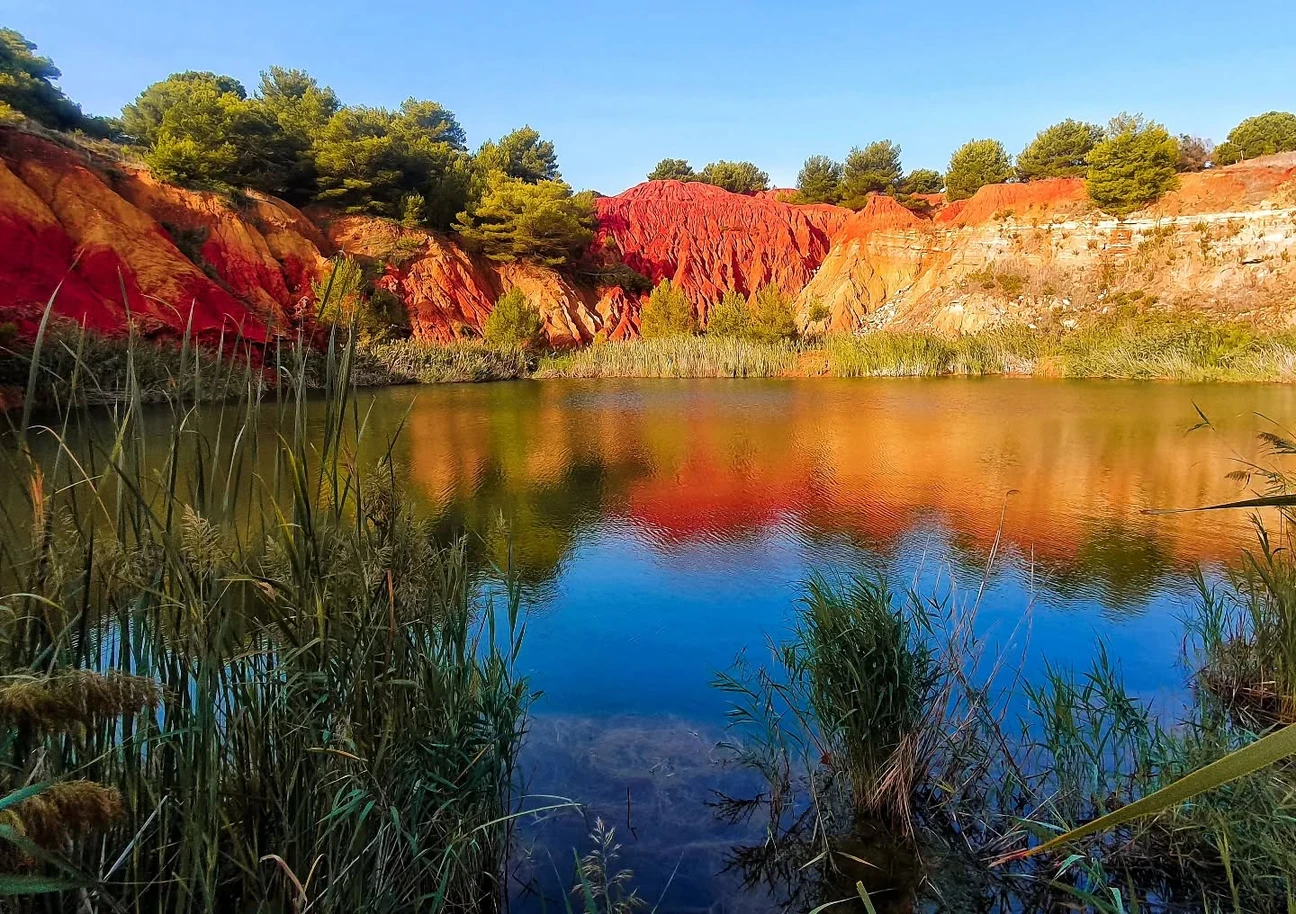
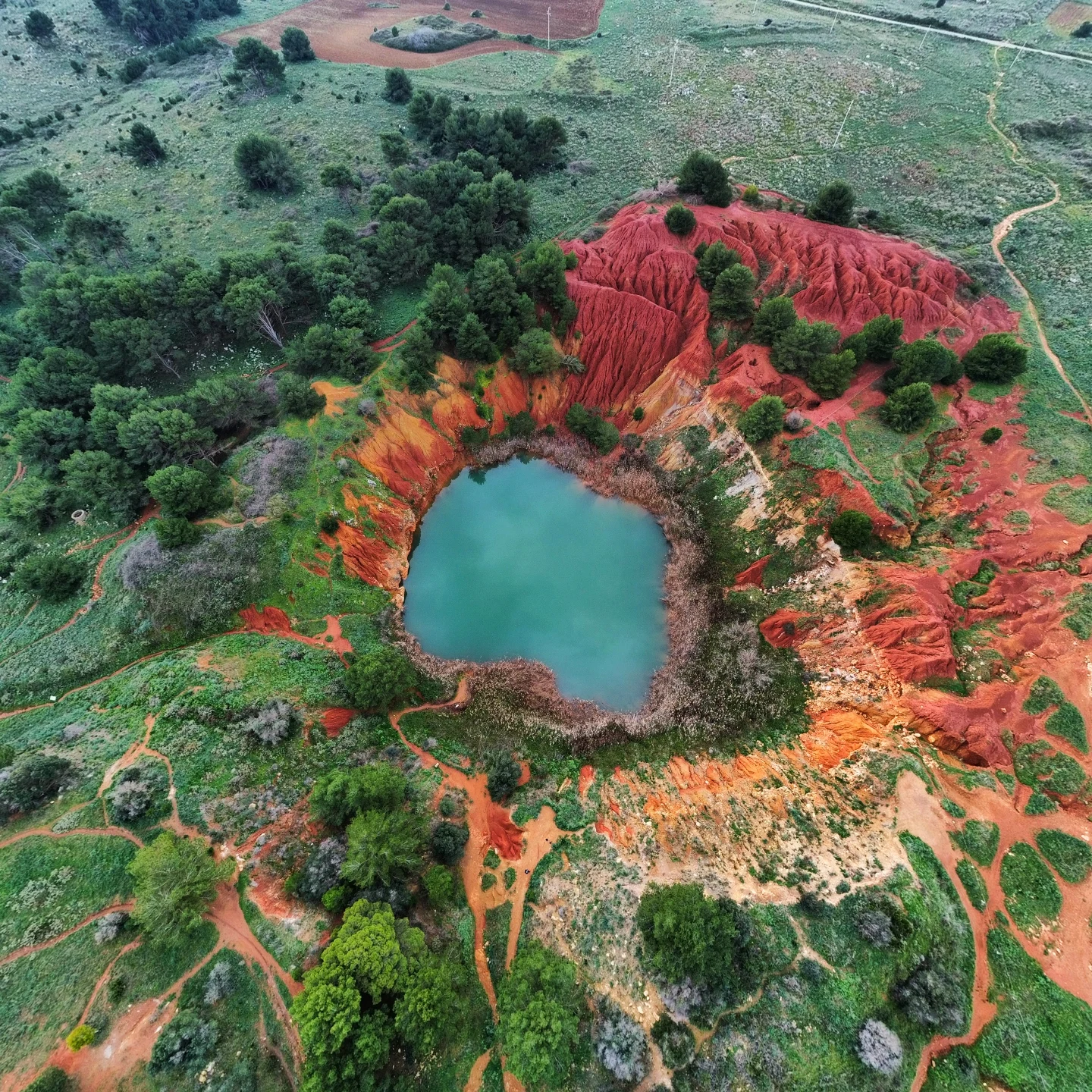
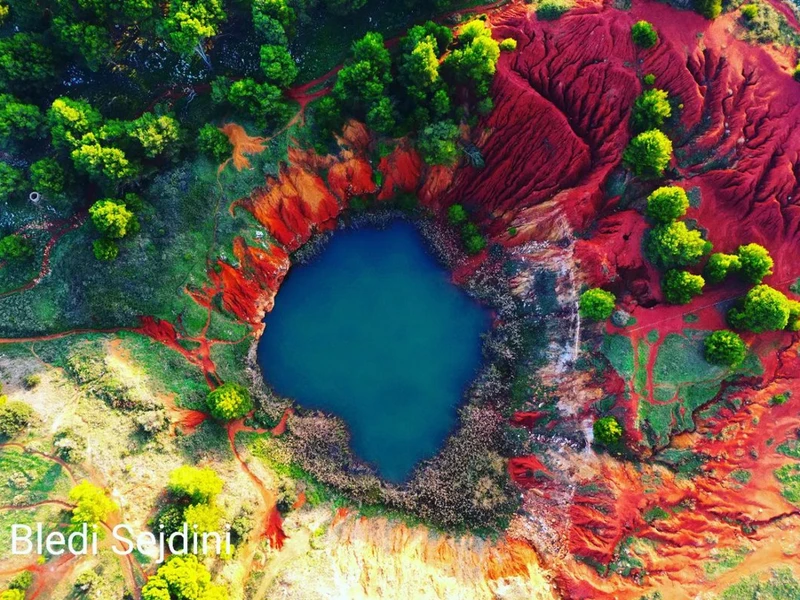
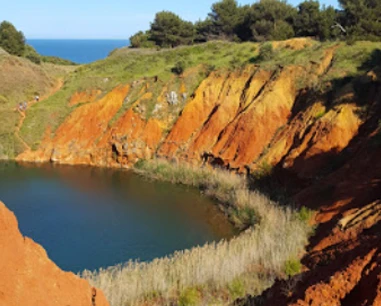
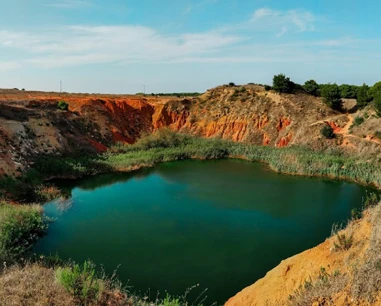
Bauxite, the ore used to produce aluminium, was extracted in the Orte area. After mining ended in the 1970s, groundwater emerging in the excavation formed the small lake now surrounded by vegetation.
Key point
It is a landscape, geological and industrial-history site, not a beach.
Since 2026: pedestrian access confirmed and safety work under way
In February 2026, after a temporary closure of adjacent land, Otranto municipality and the landowners agreed that pedestrian access for residents and visitors would remain guaranteed. The municipality also announced a safety project designed to keep people away from the steepest and most difficult areas.
Current situation
You can visit on foot, but respect barriers, authorised routes and all instructions on site.
Advertisement
Getting there: the final section is on foot
The lake lies south of Otranto in the Orte area. Leave the car in nearby parking areas and continue on foot; the local site notes bounded sections, uneven ground and places that can be slippery.
Footwear
Closed walking shoes with good grip are preferable; avoid flip-flops on red soil and uneven sections.
Steep quarry sides: do not chase the most extreme viewpoint
The former quarry walls are eroded and very steep in places. The safety measures announced by the municipality are intended specifically to keep visitors away from the most hazardous sections.
Practical rule
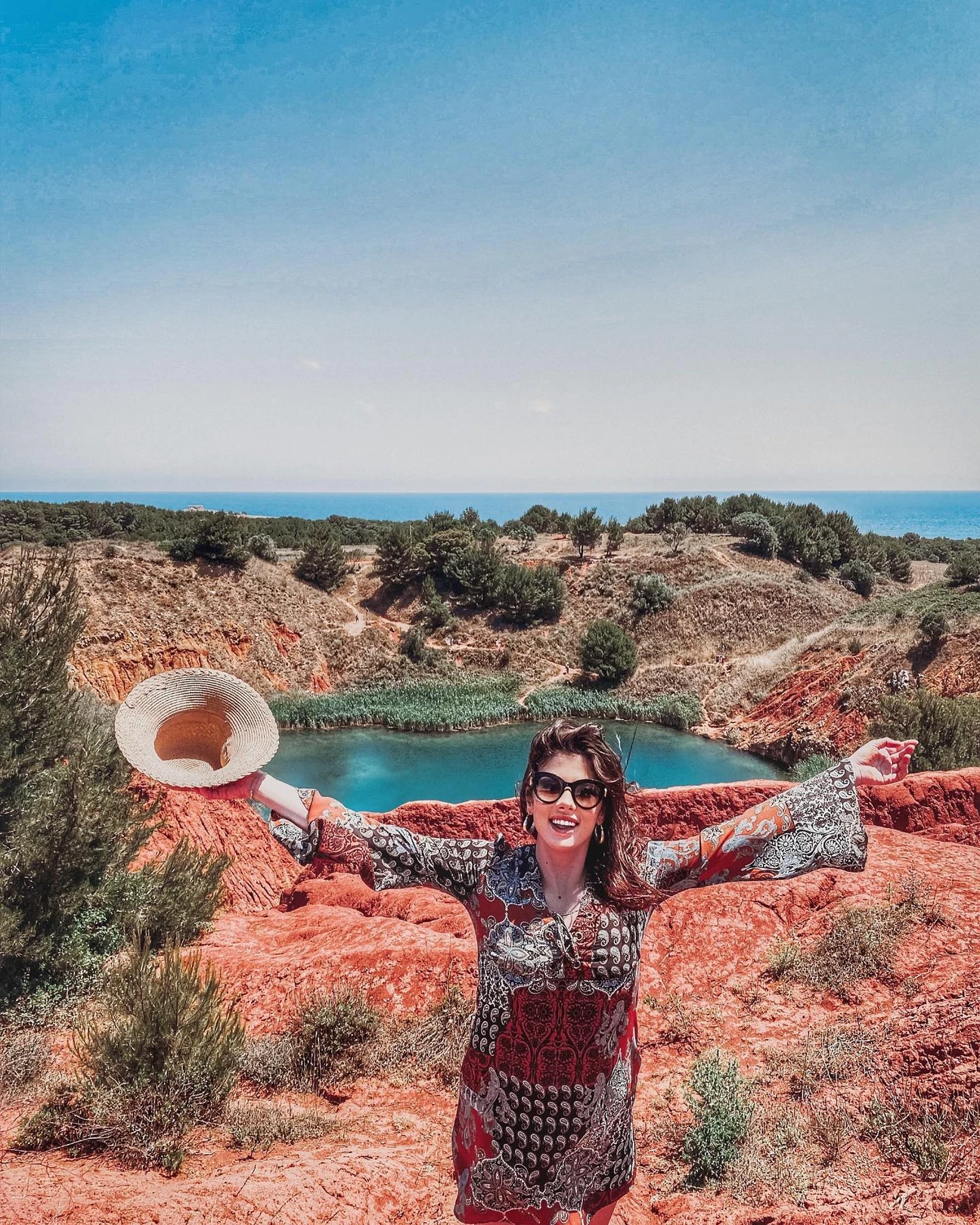
Do not cross fences or barriers and do not approach the edge for photographs.
Parking nearby, then continue on foot
Parking areas used by visitors are available near the quarry. Management, charges and availability may change, especially in high season.
Before leaving the car
Follow signs, do not block entrances or use unauthorised tracks, and check any current parking conditions on site.
Accessibility is limited by natural ground
The pedestrian route includes dirt surfaces, uneven sections and potentially slippery ground. We found no confirmation of a fully step-free route to the main lake viewpoints.
Reduced mobility
Check the real conditions before visiting and do not expect an urban, paved attraction.
Services: a seasonal refreshment point, not a full visitor centre
The local Cava di Bauxite website lists a seasonal refreshment point from May to September. Opening can also depend on rain and strong wind.
Be prepared
Carry water anyway, especially if combining the quarry with the Orte trails or Punta Palascia.
Buca d’Otranto is also geologically significant
The Italian Palaeontological Society describes a fossil-rich sedimentary succession exposed on the northern quarry wall by mining activity. Groundwater emerges at the bottom of the excavation and feeds the lake.
More than colours
The red quarry and lake tell both an industrial story and a much older geological one.
Families: a short visit is possible, but supervise children closely
The striking colours can fascinate children, but quarry slopes, uneven ground and the lack of continuous barriers require constant attention.
With children
Keep them close and away from edges; the natural surface can also be awkward for pushchairs.
Recommended for
Photographers, couples, families with closely supervised children, walkers and visitors wanting to combine a geological landscape with Otranto and the Orte coast.
Main appeal
It is a short stop but very different from Salento’s classic beaches.
Less suitable for
Anyone looking for swimming, a completely flat route, constant shade, beach-club services or verified step-free access.
Worth knowing
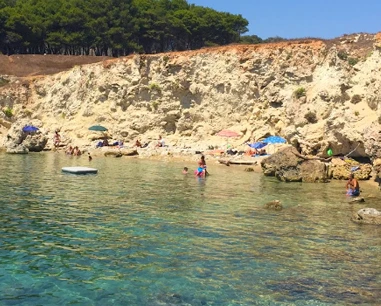
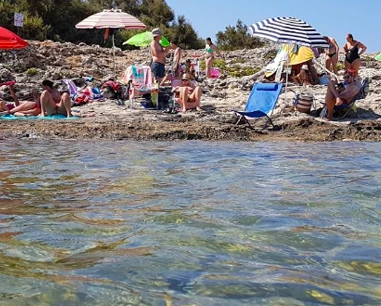
For a sea day choose Baia dell Orte or another Otranto beach, checking the conditions of the specific access point.
What to bring
Comfortable grippy shoes, water, a hat, sun protection and a charged phone. A camera is useful, but no photograph is worth moving close to a quarry edge.
In summer
Morning or late afternoon is usually more comfortable if you want to avoid intense heat and harsh light.