Torre Castiglione Beach: what to know before you go
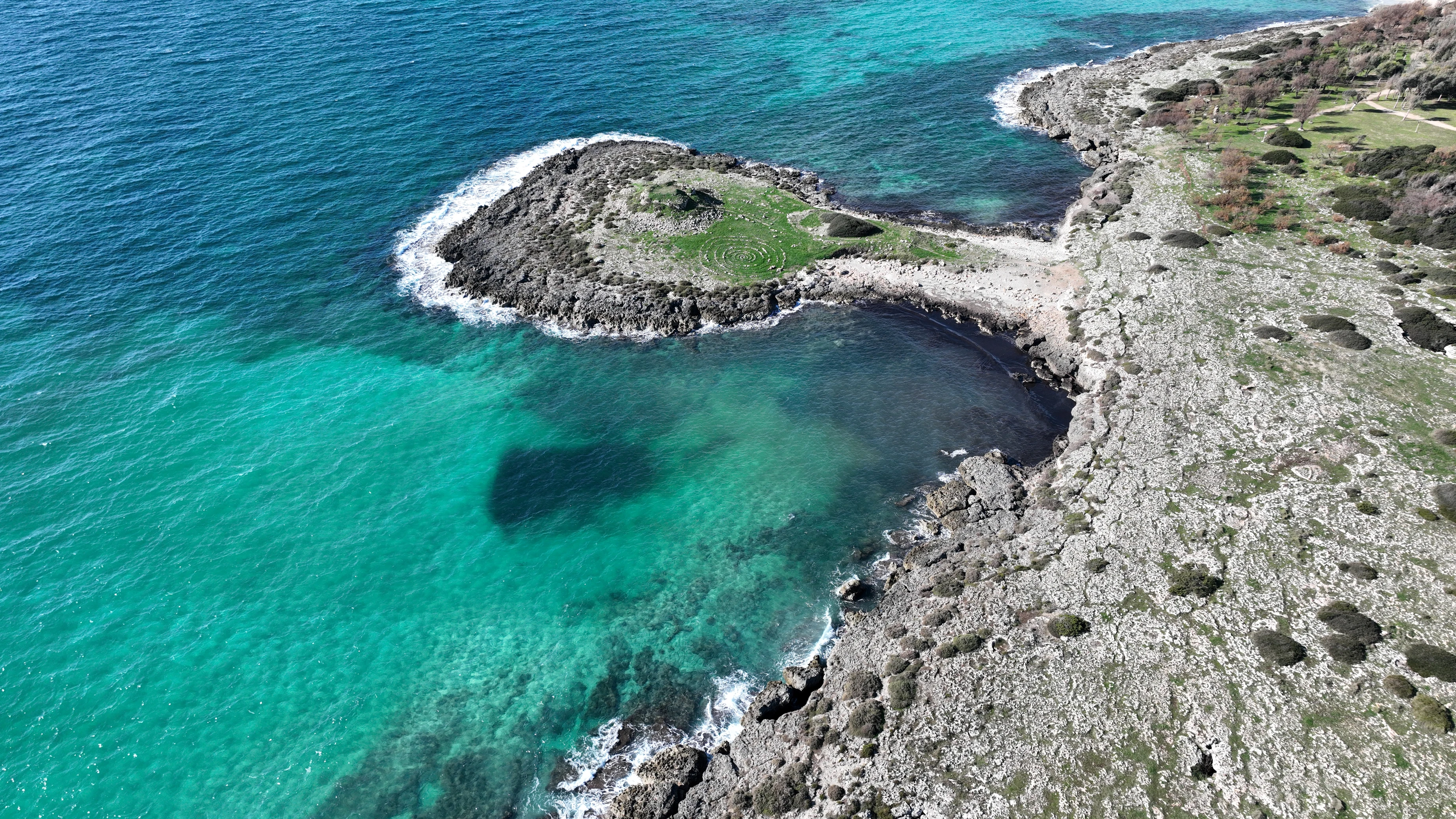
This is a small natural beach rather than a long continuous strip of sand. Its appeal comes from the mix of cove, rock, vegetation and tower ruins, but limited space, protected habitat and the final walk-in access need planning.
Small free cove with sand, pebbles and low rock
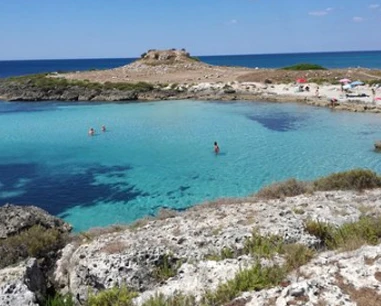
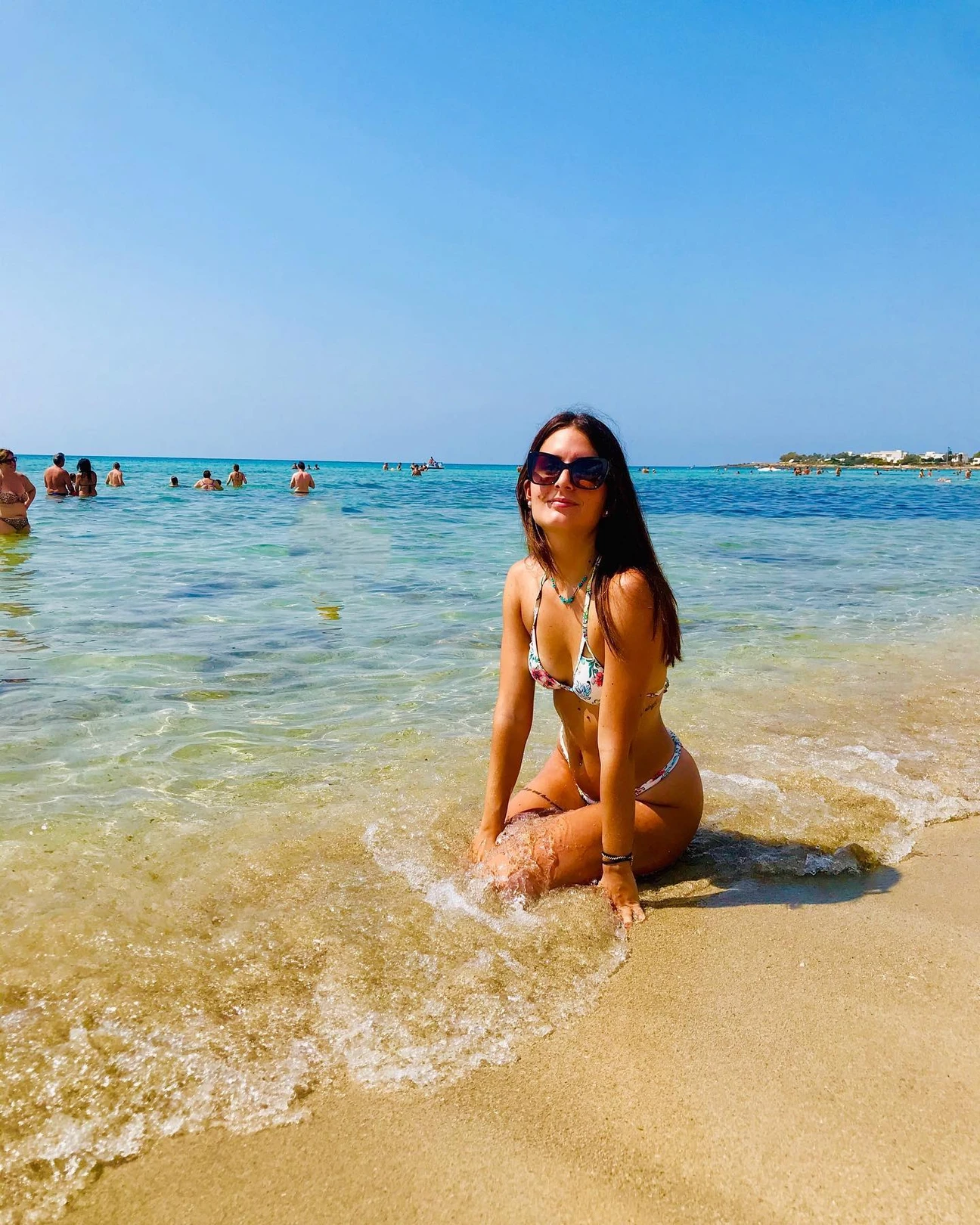
The beach closest to the tower ruins sits in a small inlet. Sand, small pebbles and low rock can alternate even within the same short stretch.
Good to know
The amount of sand is not fixed: wind and storms can change the cove's shape.
Dunes and Mediterranean scrub are part of a protected landscape
Torre Castiglione forms part of the Palude del Conte and coastal-dune natural system, with dune habitat, Mediterranean vegetation and backshore wetlands.
Protect the vegetation
Use existing paths only and do not cut across dunes or scrub to reach the sea.
Advertisement
Karst groundwater outcrops are a Torre Castiglione feature
The area contains groundwater outcrops linked to karst processes, locally known as spunnulate, supporting wet and brackish vegetation.
Not swimming pools
Treat them as natural reserve features and respect paths, barriers and habitat.
Mixed seabed: do not assume it is always shallow
A safer description is variable depth, with sand, stones and rock changing between the centre and edges of the cove.
Before entering
Check the exact entry point, especially with children or after storms have moved sand and pebbles.
Families: enjoyable, but children still need close supervision
The sandier part can work with children in calm water, but rock, pebbles, uneven depth and limited room require constant supervision.
Young children
Use the sandiest section and re-check depth and footing each visit.
Final section on foot: vehicles must stay out of the protected coast
Since 2025 blocks and structures have prevented campers and other vehicles from entering the protected coastal strip. Leave the vehicle outside and walk the final section.
Important
Do not move barriers or seek alternative vehicle routes even if access used to be closer.
Parking: no guaranteed space beside the beach
The end of wild parking changed practical access. In 2026 temporary private areas could also be authorised for public parking across the territory, but no specific space is guaranteed for this cove.
Peak season
Arrive early, follow current signs and expect a walk.
The cove is free; nearby private services remain separate
Do not assume toilets, showers, hire, bars or dedicated lifeguard service at the small free cove. Private beach businesses exist along the wider coast, but their facilities are separate.
Plan ahead
Bring water, sun protection and what you need for a few hours.
Accessibility: no specific assisted sea access verified
We found no current confirmation of a boardwalk, beach wheelchair or public assisted-bathing service specifically at this small cove.
Reduced mobility
Check an equipped access elsewhere on the Porto Cesareo coast.
Ionian conditions can reshape the small cove
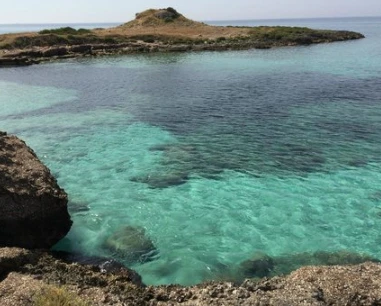
In calm weather the water can be very clear. Strong wind and storms can alter sand, pebbles and the ease of entry.
Before settling
Judge the real conditions on the day rather than relying on older photos.
Snorkelling: most interesting along the rocky margins
The mix of sand, stones and rock gives the seabed more variety than a fully sandy beach, especially around the inlet edges.
Best conditions
Go in calm water, use water shoes if entering from rock and stay close to shore.
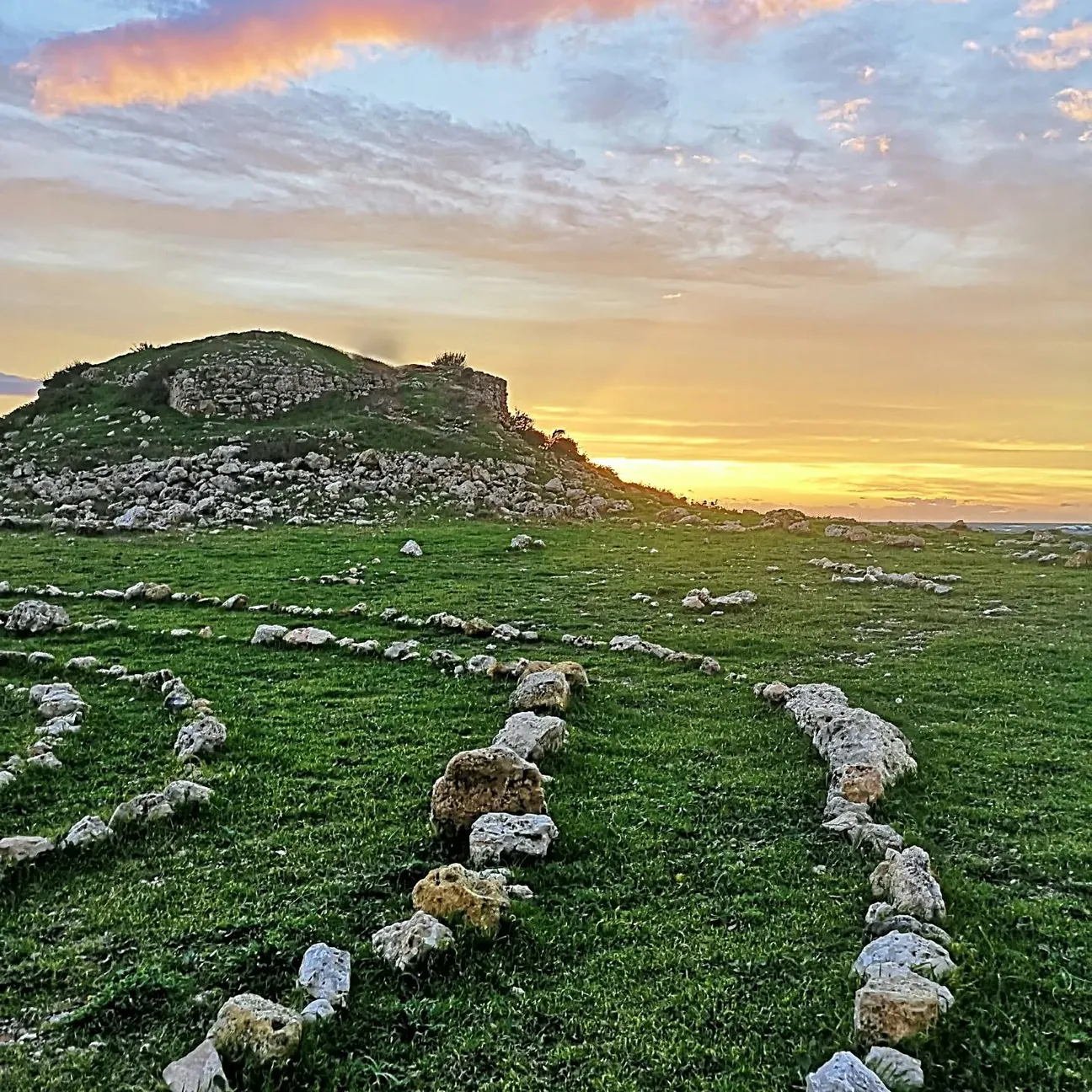
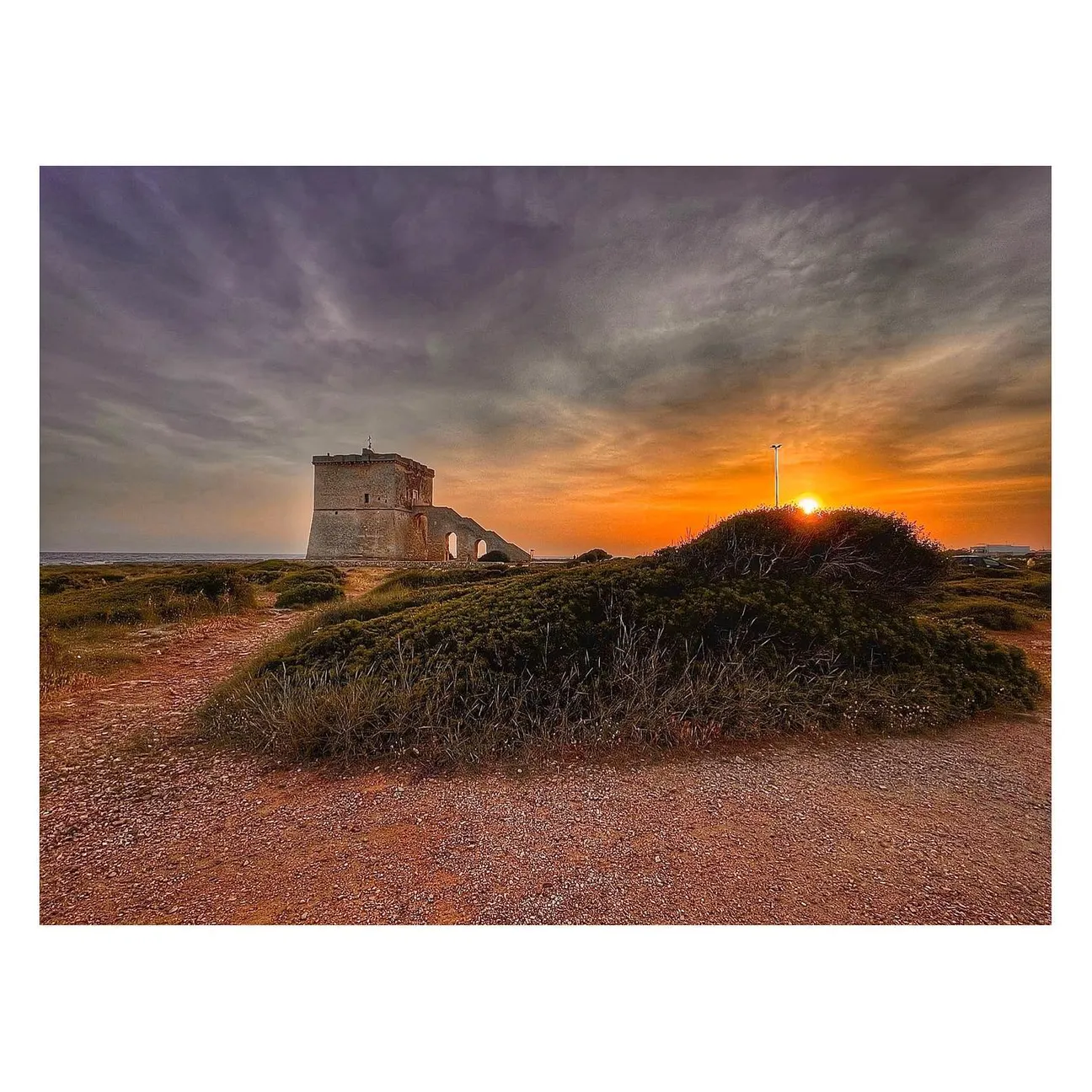
The tower ruins give the beach its identity
The coastal tower was built in the 16th century as part of the shoreline watch system. Only ruins remain today, shaping the scenery around the cove.
During your visit
Do not climb masonry or approach unstable remains.
Sunset is one of the most attractive times
Its Ionian setting makes the coast especially scenic in the evening, when the sun drops towards the sea behind dunes, rock and tower ruins.
If staying late
Plan the walk back before it is fully dark, especially if paths are unlit.
Crowding: little room in the smallest cove
Although less urbanised than other Porto Cesareo beaches, the cove beside the tower is small and can fill quickly on weekends and in August.
For more space
Early morning or late afternoon.
Since 2025: wild parking removed from the protected shore
Blocks and structures now prevent campers and other vehicles from reaching the natural area. In 2026 the spunnulate area also continued to host environmental education activities.
What changes
Treat Torre Castiglione as a place whose final approach is on foot and within a protected landscape.
Best for
Couples, families used to small natural coves, snorkellers, photographers and visitors interested in sunsets, dunes and Mediterranean scenery.
Main appeal
The combination of sea, rock, vegetation and history rather than beach-club facilities.
Less suitable for
Anyone wanting a long uniform sandy beach, parking beside the towel, full beach-club services or verified assisted sea access.
For more comfort
Consider the broader beaches of Punta Prosciutto or Torre Lapillo.
What to bring
Water, a light parasol, sunscreen, towel, water shoes and mask. A small light can help if returning after sunset.
Essential
Pack light and take all rubbish away: this is a protected natural landscape.