Registered in 2026
The Apulian Speleological Federation lists 40.17030, 18.48057.
Data
This is the main mapping reference.
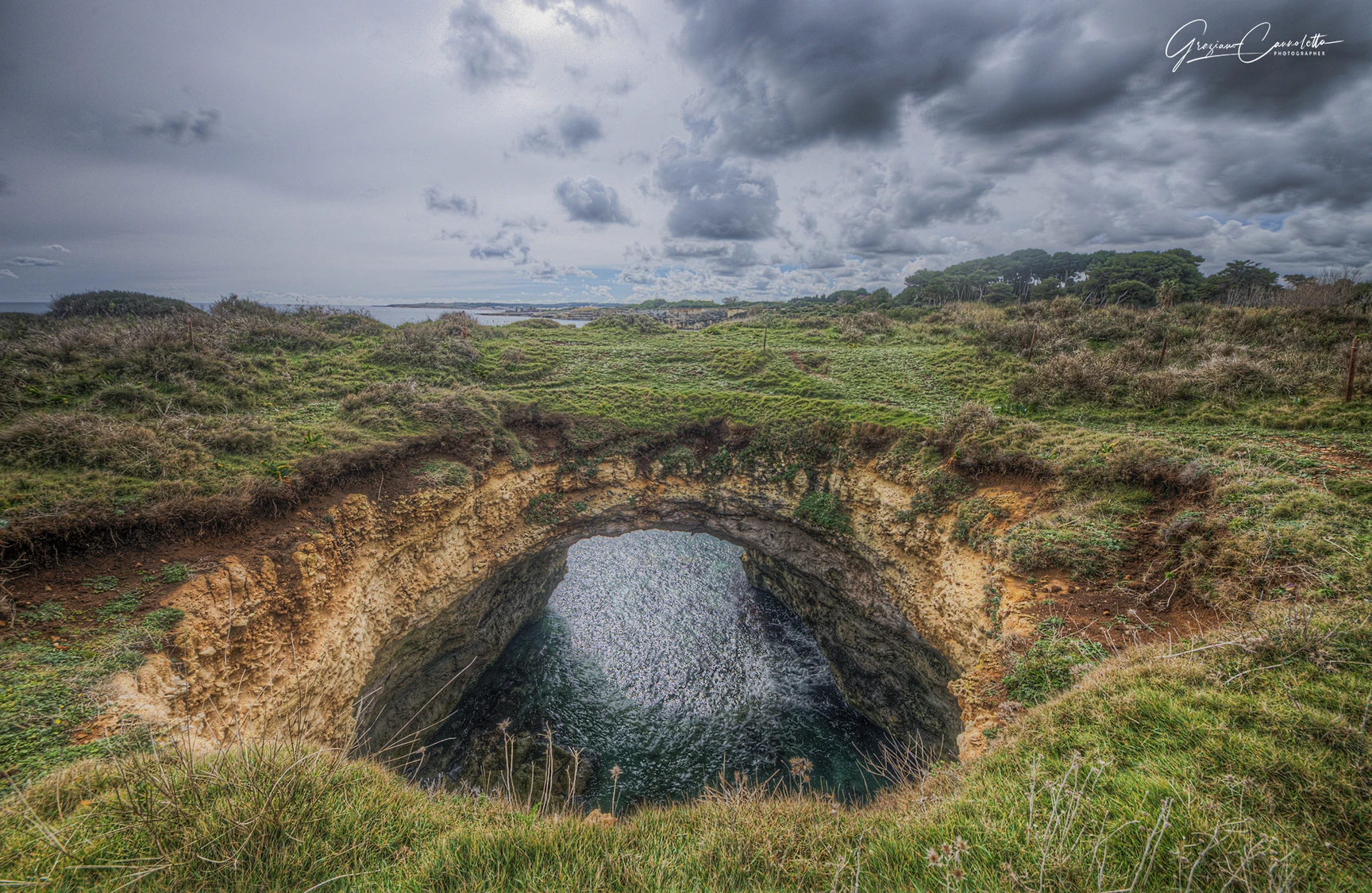
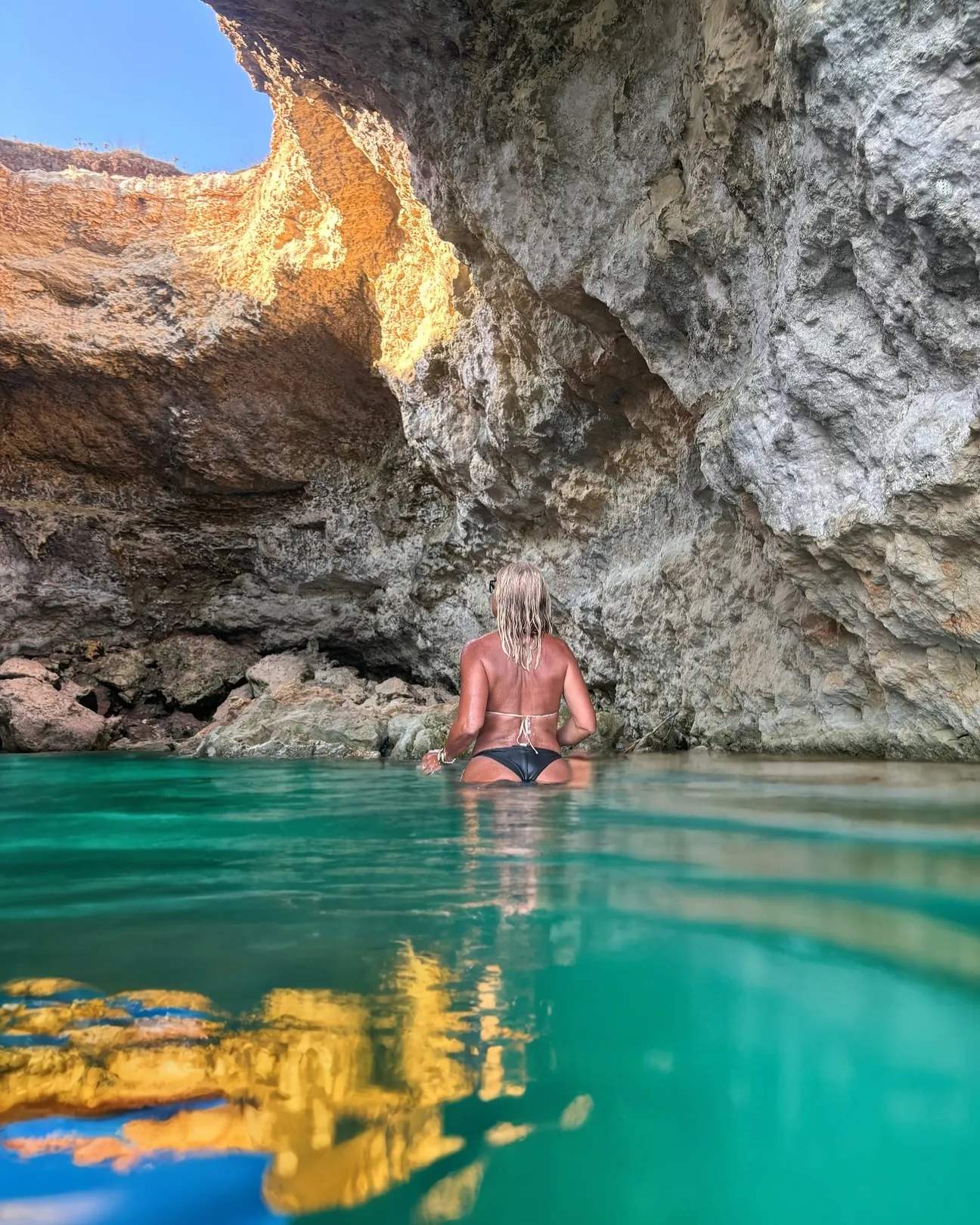
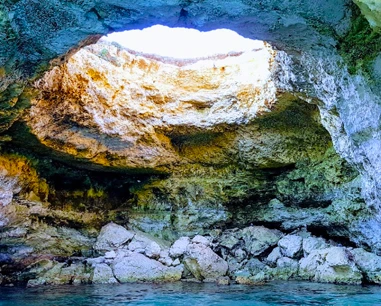
Otranto’s famous coastal cave with a collapsed roof and a large opening to the sky, in the Mulino d’Acqua cave system.
The 2026 Apulian Speleological register confirms the cave and coordinates. The updated page keeps the visual appeal of the Blue Eye but does not encourage visitors to approach the upper rim.
The Apulian Speleological Federation lists 40.17030, 18.48057.
This is the main mapping reference.
The name comes from the collapse of part of the cave roof.
A large opening remains to the sky.
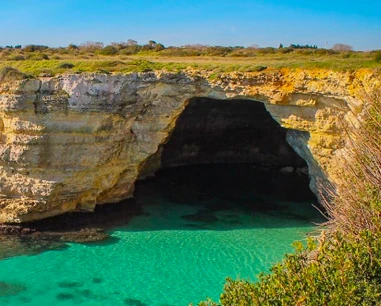
It belongs to the bay’s cave system.
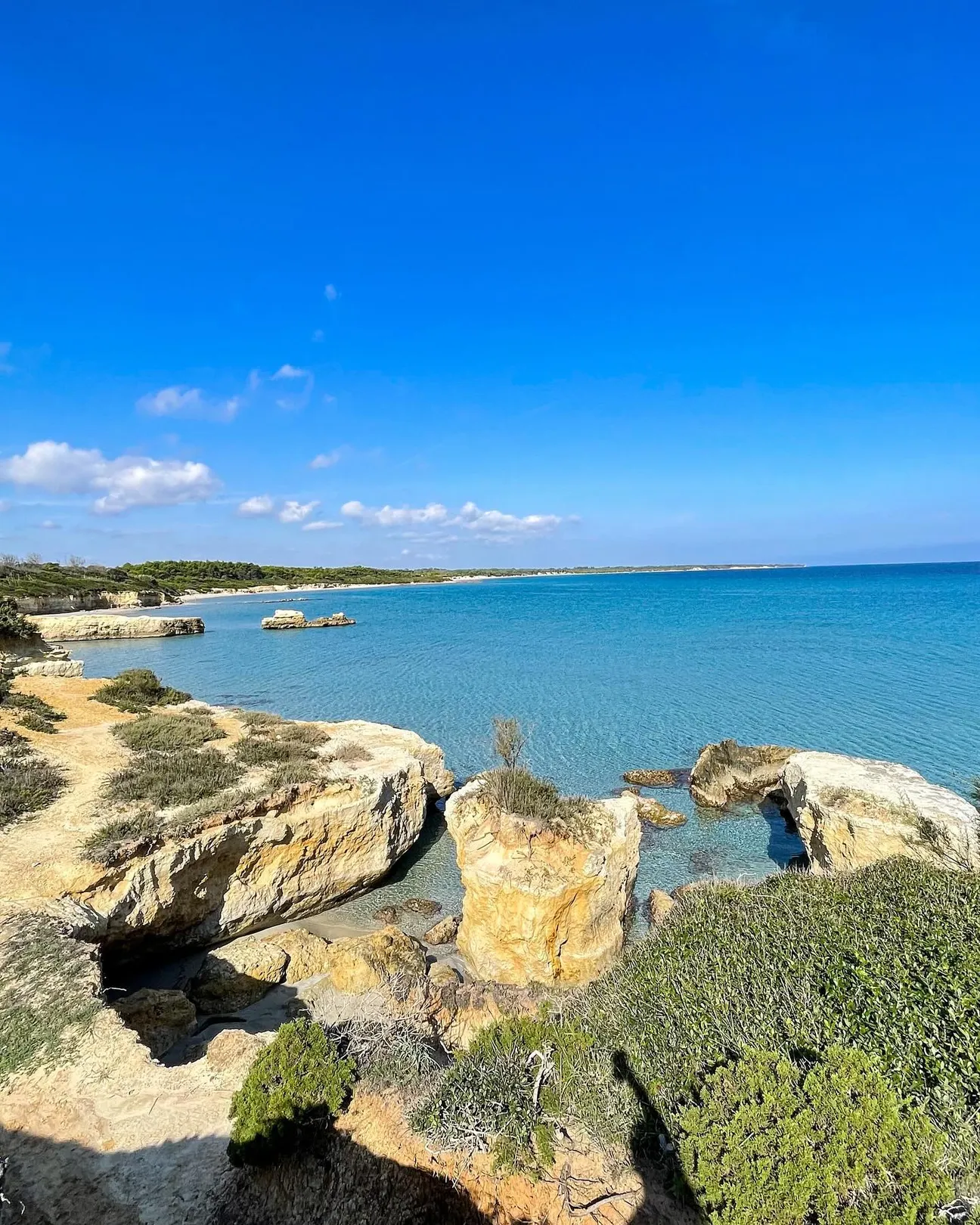
Conchiglie and Eremita are in the same stretch.
The dramatic view from above does not make the edge safe.
Do not cross margins, barriers or paths.
It can be appreciated during coastal boat trips.
Approach and stops depend on wind and waves.
Possible outside in calm sea.
Avoid unstable walls or overhangs.
It is not a toddler beach.
Always follow the crew.
Walking shoes if coming by land, water, hat and sunscreen.
Use safe viewpoints away from the rim.
The gallery shows the available and verified photographs for this place.
Have you photographed this beach or a beach club located here? Send your image to Salentissimo.it.
The photo and the details you enter will be emailed to the editorial team and checked before possible publication among the photographs of this beach.
Beach clubs and bathing establishments linked to this location.
Add it to the portal for free.
Add beach clubContinue along Otranto’s northern coast comparing nearby beaches, caves and access points.
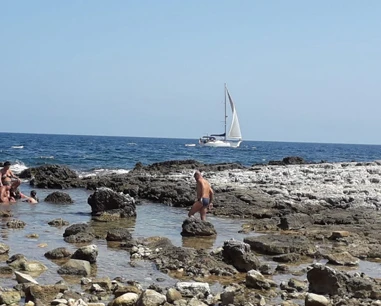
“Calamuri” is a real place-name south of Otranto, also confirmed by the Speleological Register through Vora Calamuri. No institutional boundary for a standalone beach was found, so the pin is an area reference rather than a certified sea access.
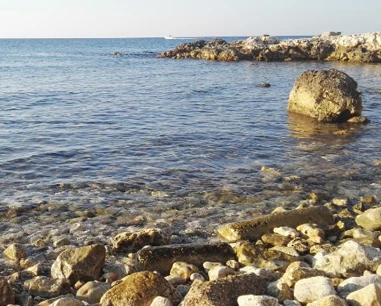
The historic guide also used the local name “Filu de Mienzu”. The maritime ordinance officially identifies “Spiaggia San Nicola” on the cliff southeast of the harbour and defines a restricted sea area because of landslide risk.
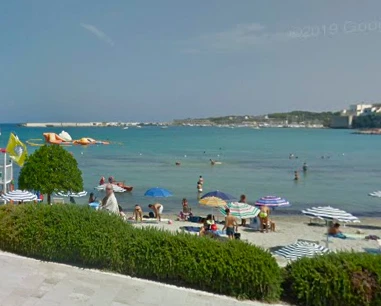
This central beach is also known as Spiaggia dei Gradoni: fine sand, free and serviced sections, with immediate access from the promenade.
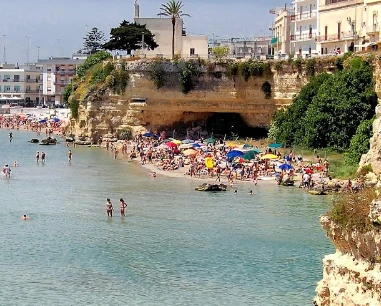
An urban beach just north of central Otranto, with fine sand, generally shallow water in the sandy sections, free areas and nearby beach clubs: convenient if you want sea and town within walking distance.
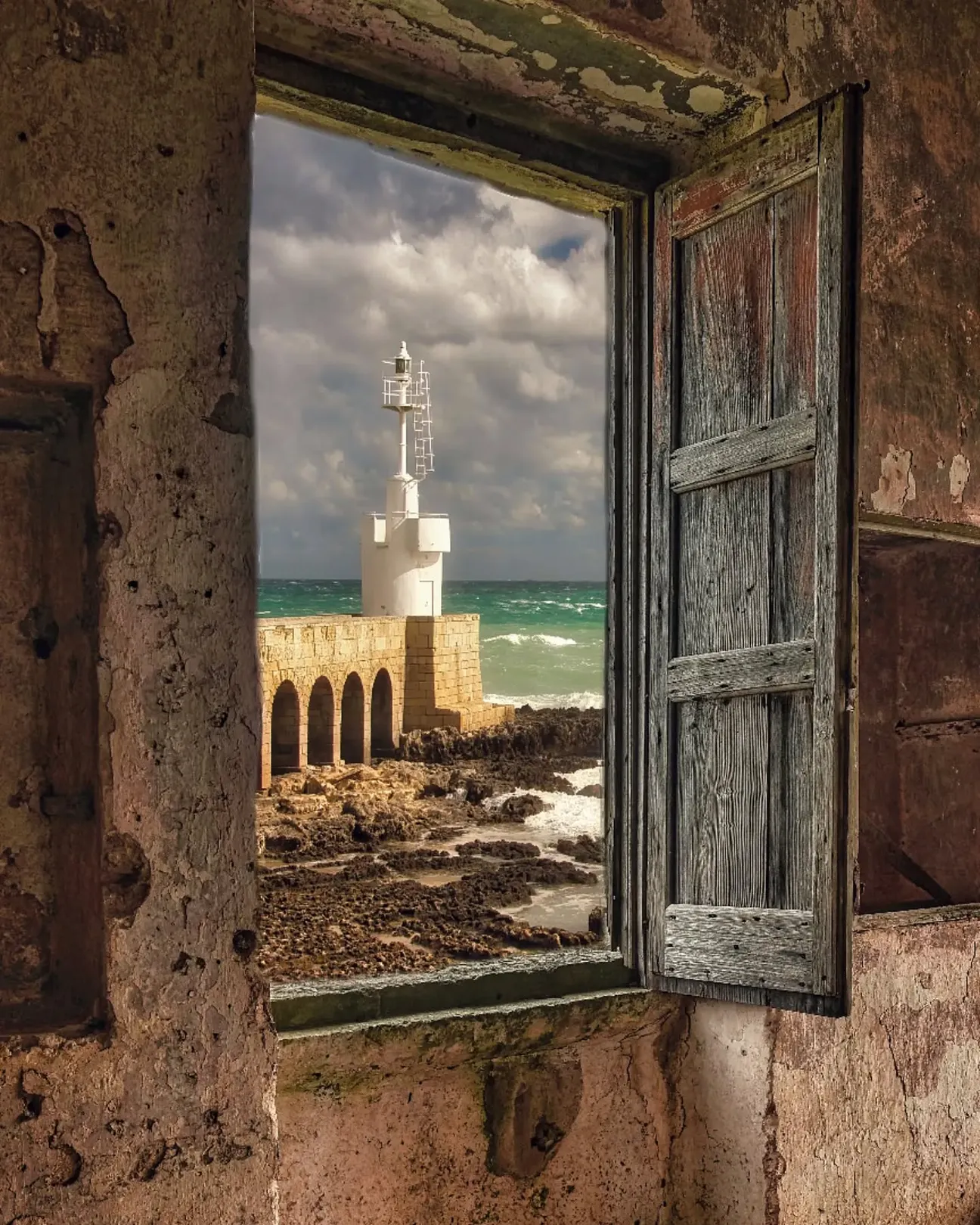
Otranto’s white maritime light at Punta Craulo, north of the harbour, beside Porto Craulo beach and low rocky shoreline.
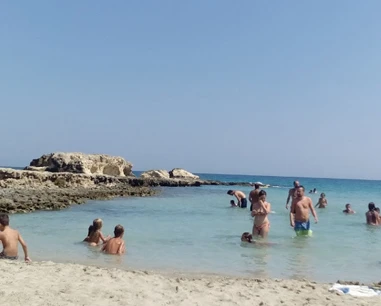
A small free cove north of Otranto between La Castellana and Canale del Càfaro, with a mixed sand-and-rock shoreline.
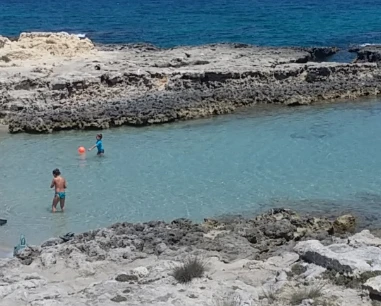
A small rocky inlet on Otranto’s northern coast, between Staffa and the coves towards Grotta Monaca: clear water, paths and steps for access, an interesting seabed for snorkelling and virtually no facilities in the cove itself.
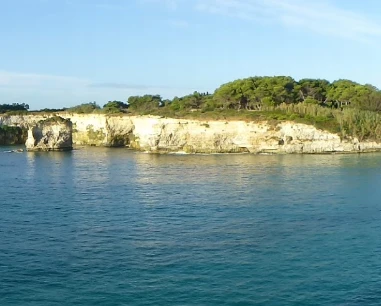
Cattapìgnula means “bat” in local dialect; local sources describe a cave used by bats and a sea-accessed cavity. The pin is approximate for the coastal sector.
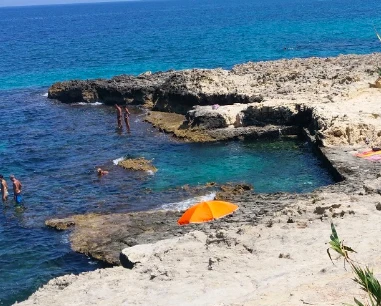
A small rocky cove north of Otranto on the Hermit Trail, among caves and low limestone cliffs.
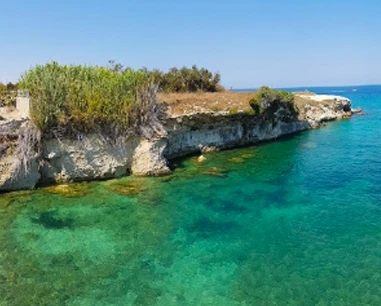
A rocky cove on Otranto’s northern coast, known for its large semi-submerged cave. Today the visit must be planned around cliff-safety rules first: maritime restrictions linked to landslide risk are listed for this stretch of coast.
A large sea cave north of Otranto in the Mulino d’Acqua cave system, close to several neighbouring caves.
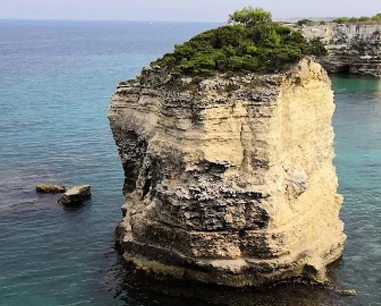
Sapunerò is a rocky landmark on Otranto’s northern coast, along the route between Grotta Monaca and Mulino d’Acqua; the pin is approximate because no standalone institutional coordinate was found.
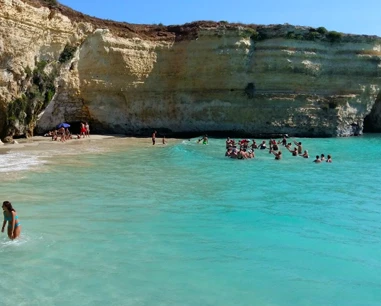
A spectacular bay of cliffs, small inlets and sea caves. Today, however, the most important thing to know before you go is that sea access, bathing and remaining below the cliff are affected by safety restrictions.
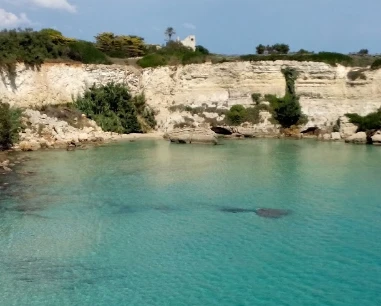
A secluded rocky bay north of Otranto, between the Mulino d’Acqua sector and Torre Santo Stefano, commonly visited from the sea.
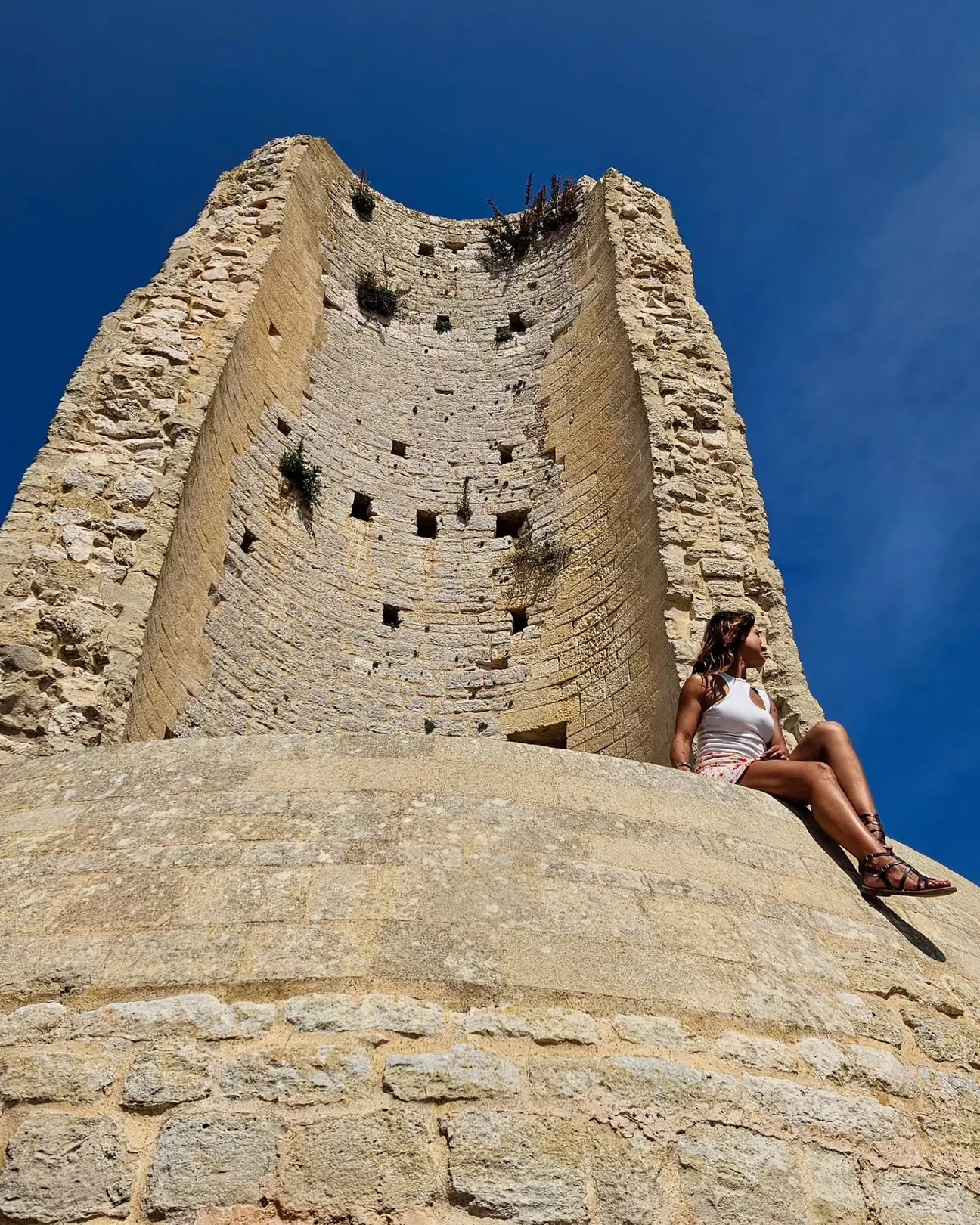
The ICCD cultural-heritage record describes Torre del Serpe as a coastal tower about 200 m from the sea and 35 m above it; tradition links it to an earlier lighthouse, while today it survives as a partly ruined structure.
A sea cave in Mulino d’Acqua Bay, immediately beside Grotta Sfondata and reached from the sea.
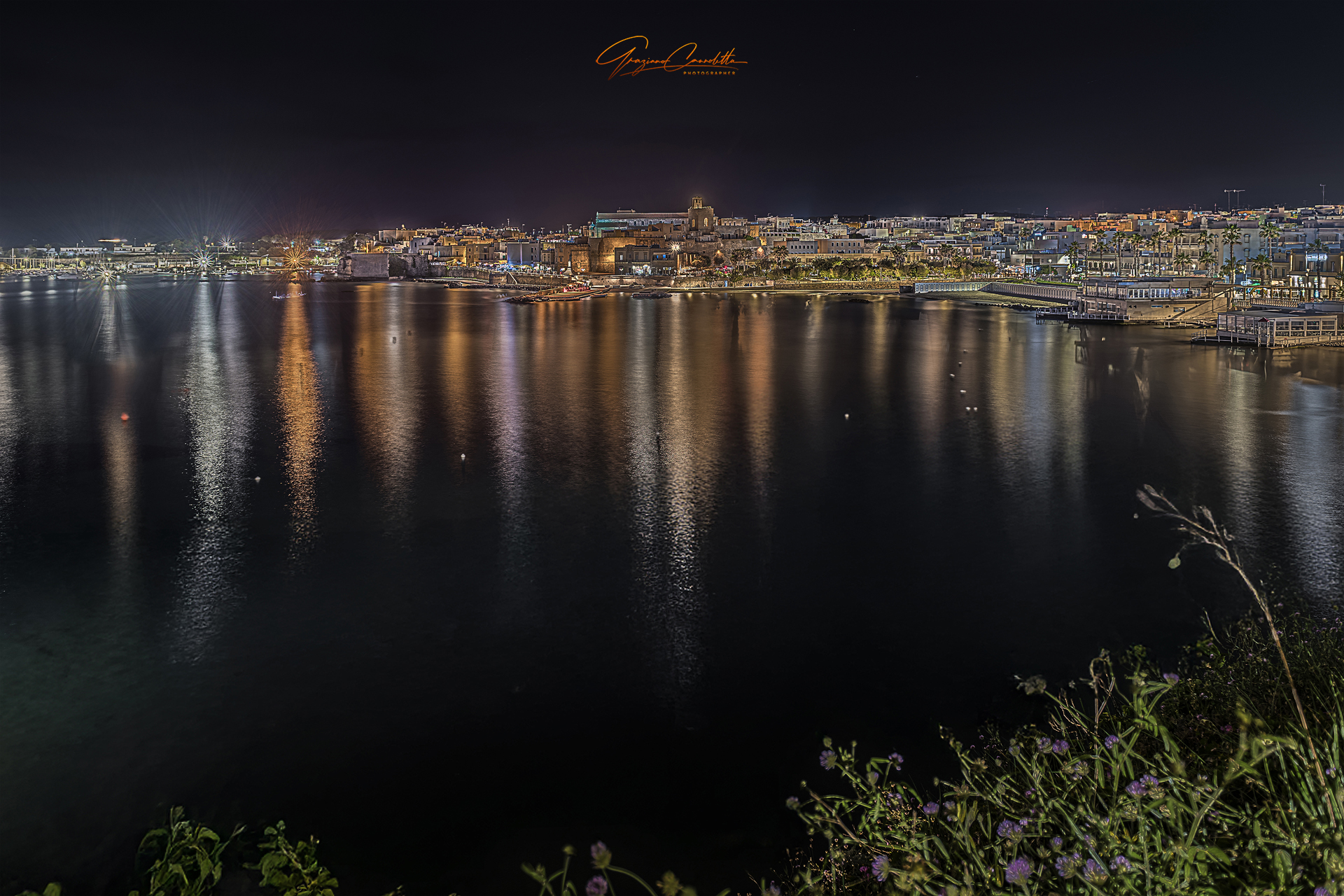
This guide mainly covers Lungomare degli Eroi, the public promenade beside the historic centre; it should not be confused with Lungomare Terra d’Otranto or Lungomare Kennedy.
Choose a service and view all available businesses and information on its dedicated page.
This guide belongs to Otranto; configured coastal navigation links Baia delle Orte and Torre Santo Stefano.
Location, access, sea, families, safety and practical information.