Beaches, shallow waters and islands
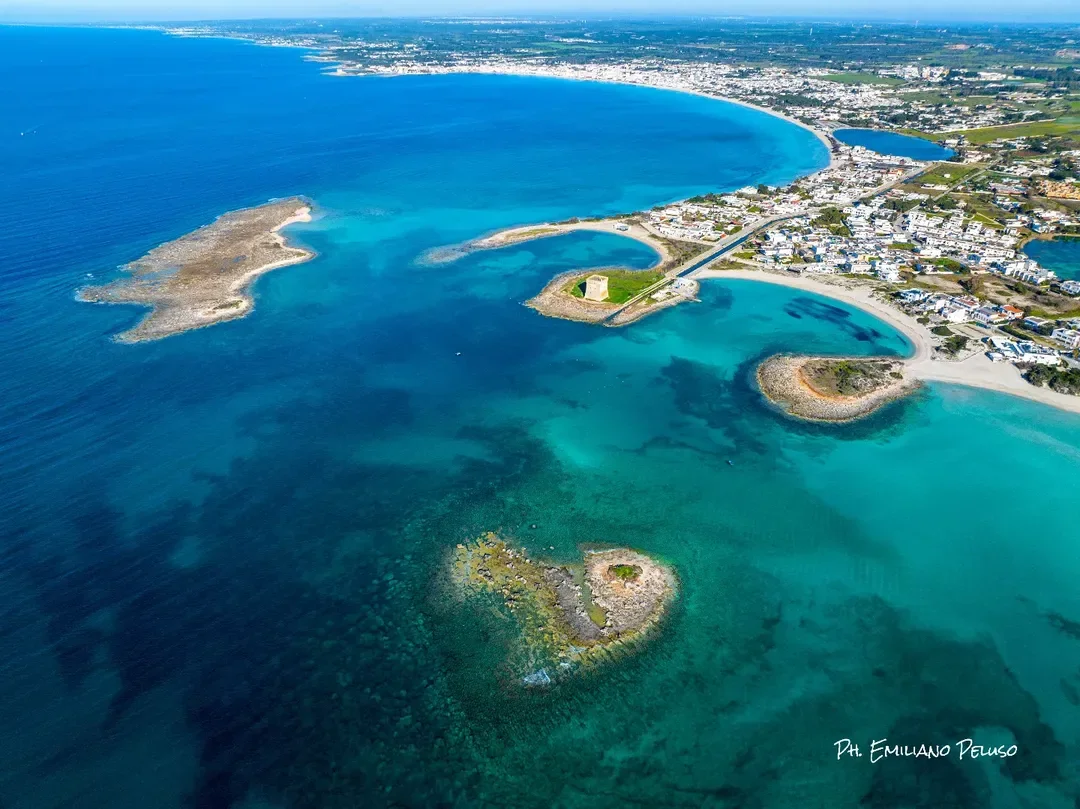
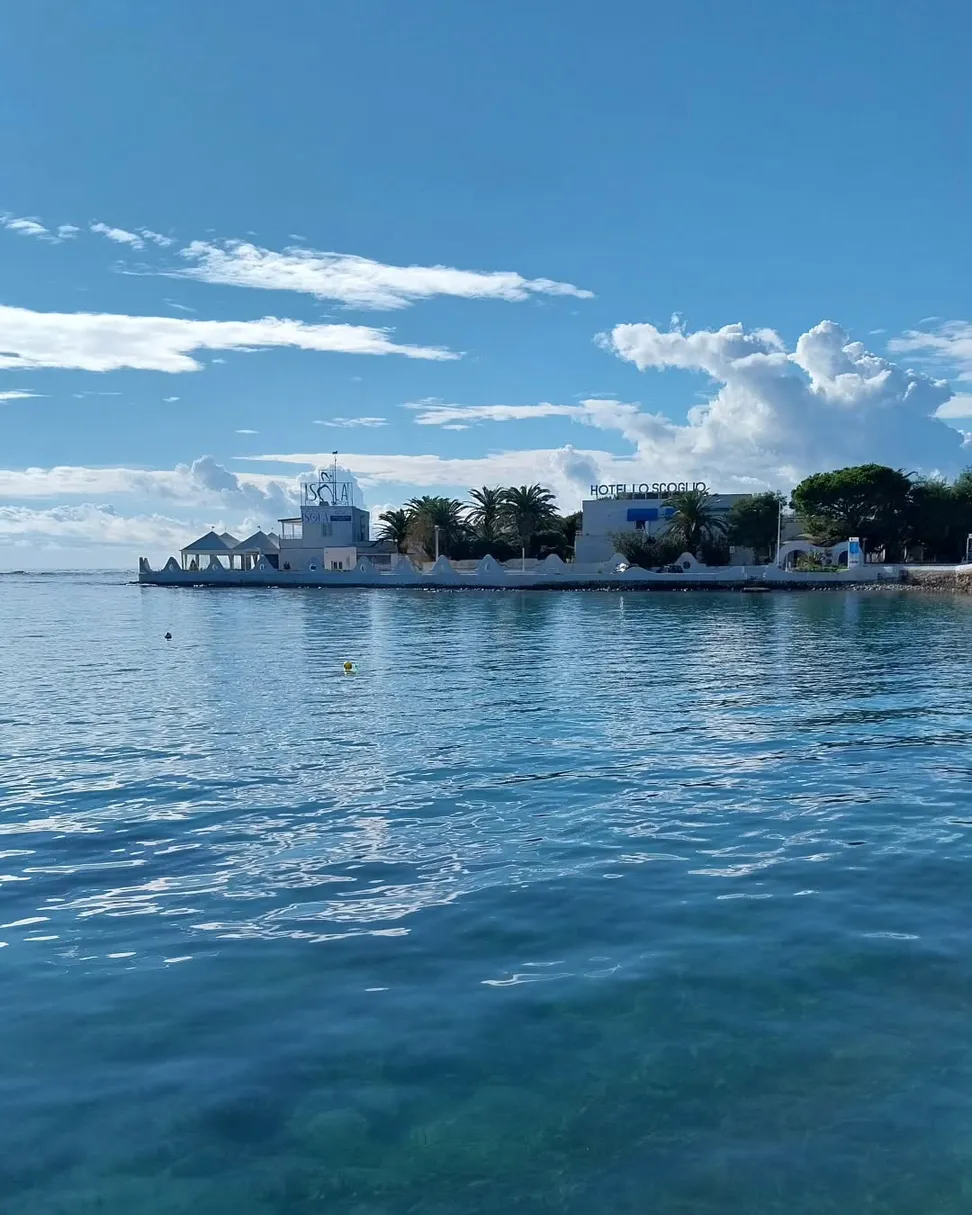
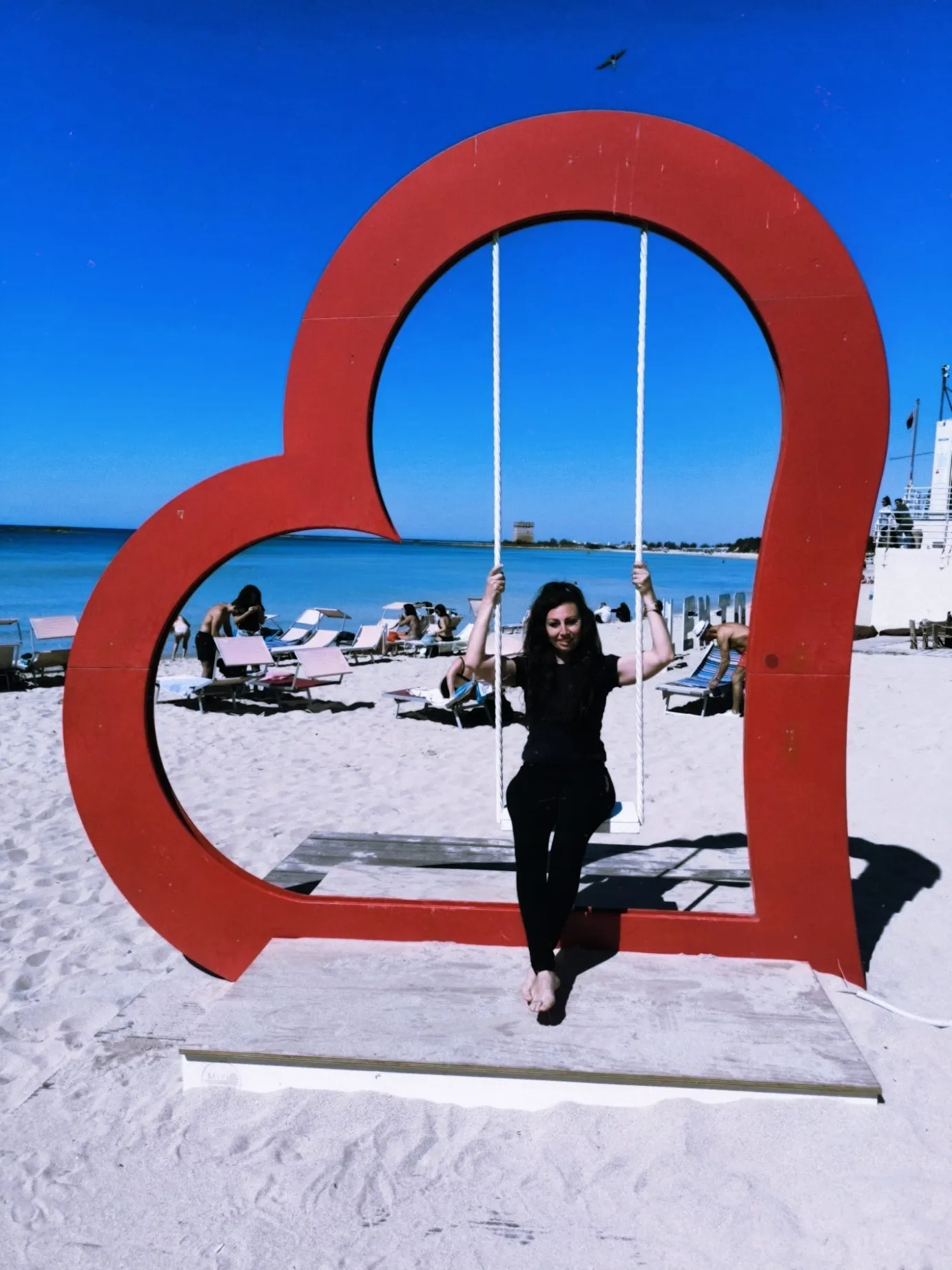
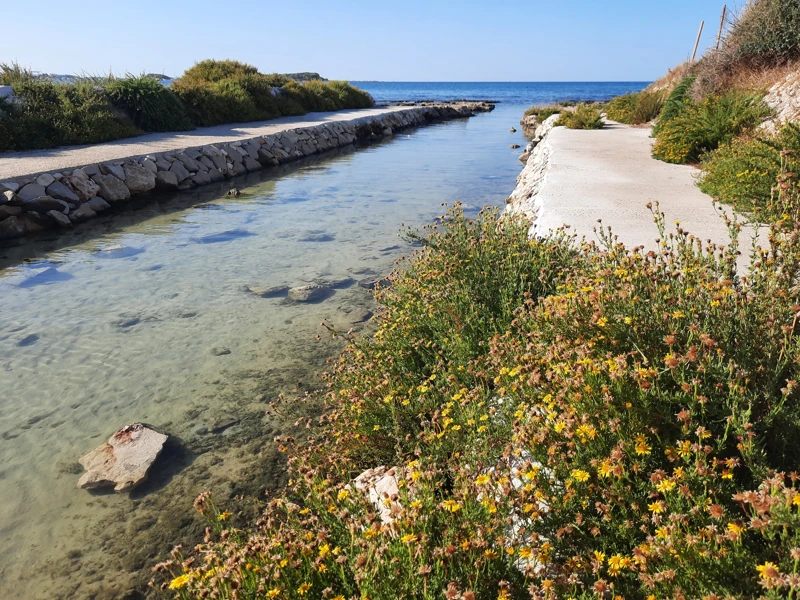
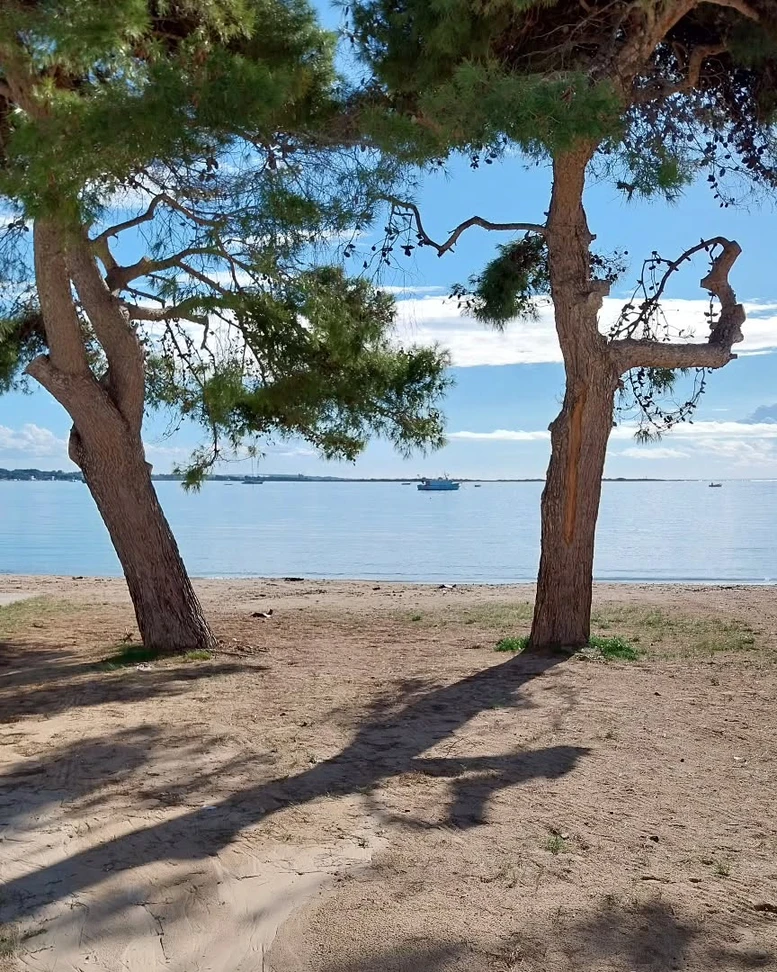
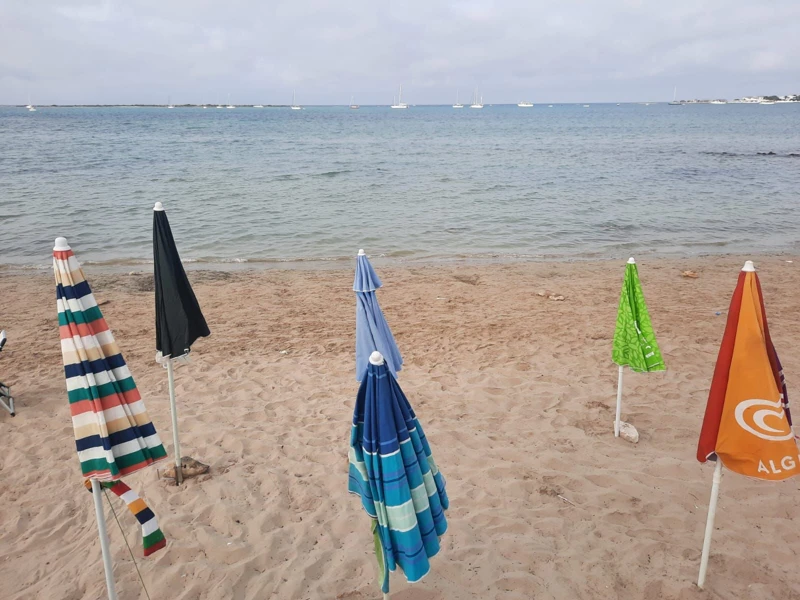
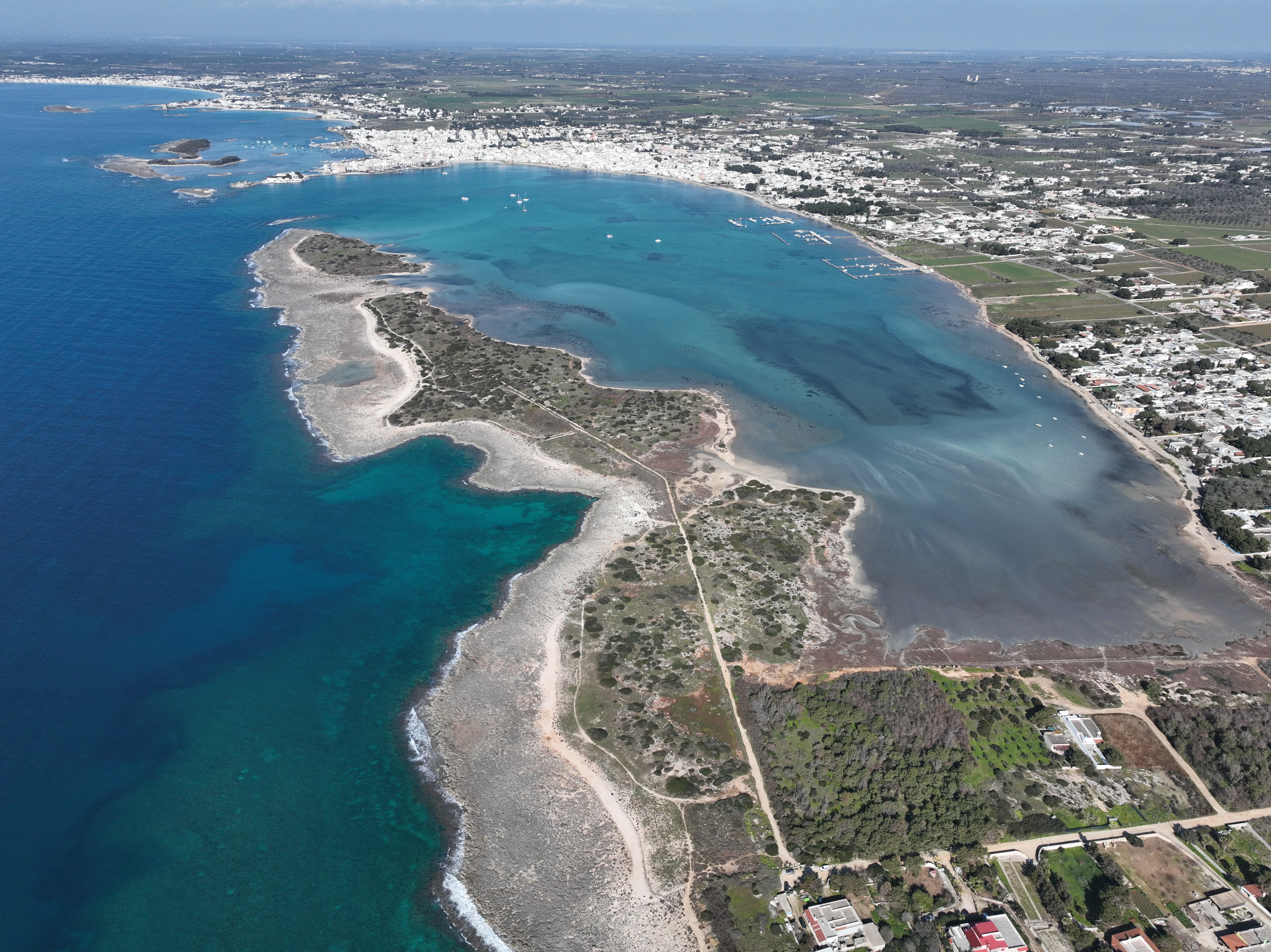
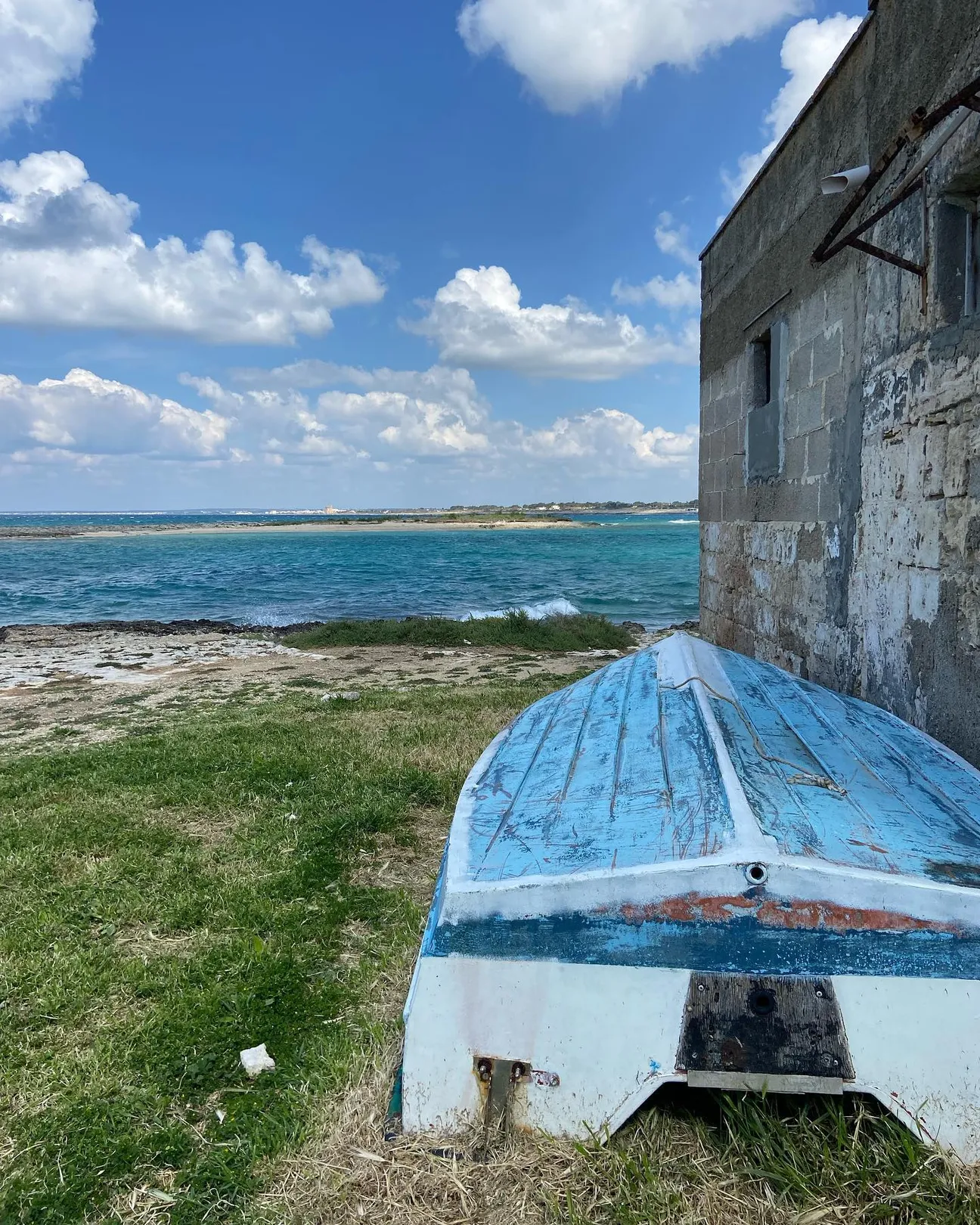
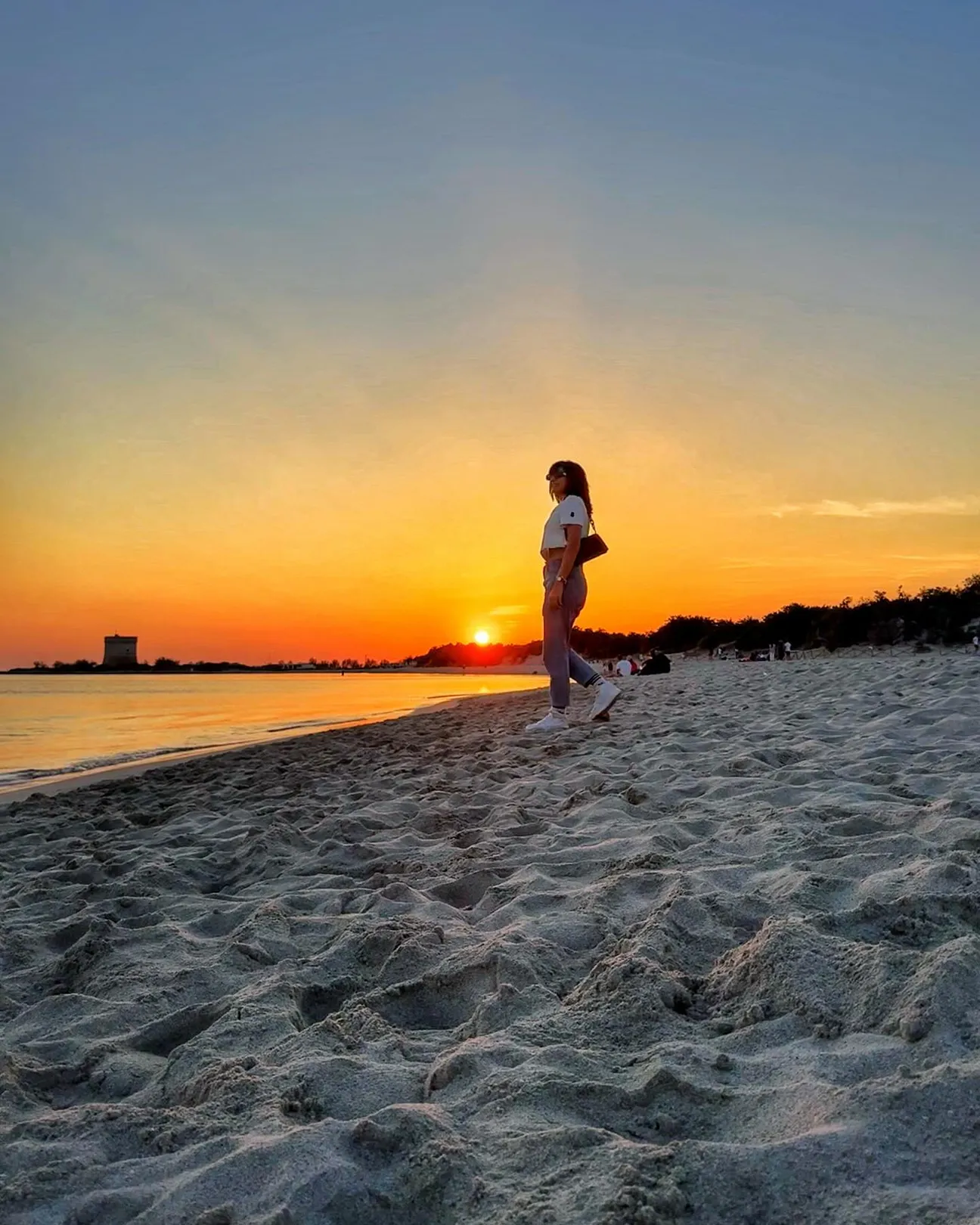
The Puglia Region describes Porto Cesareo as a coastline of soft white beaches, dunes covered with Mediterranean scrub and mainly sandy, shallow seabeds. Beach clubs and free public beaches alternate along the coast.
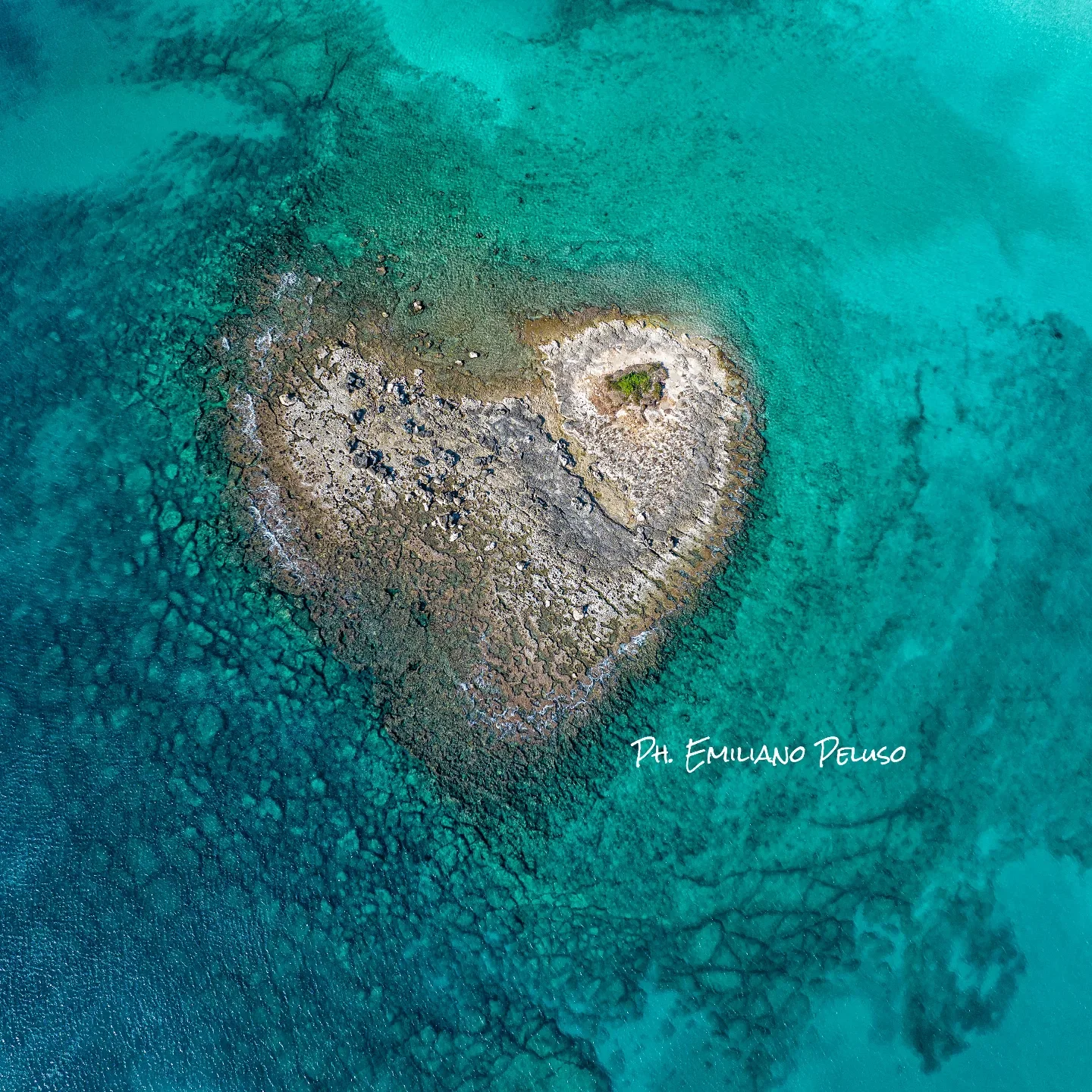
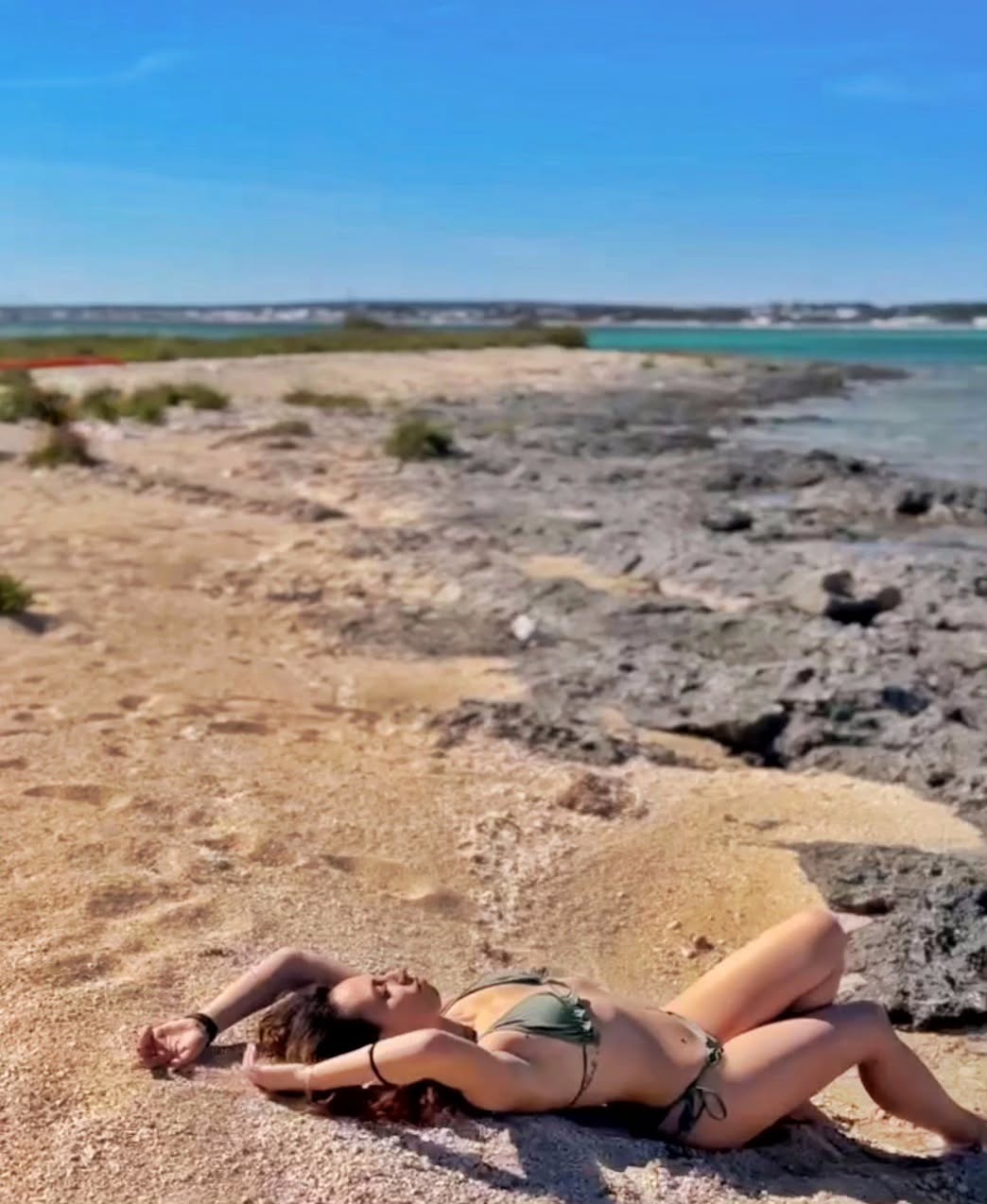
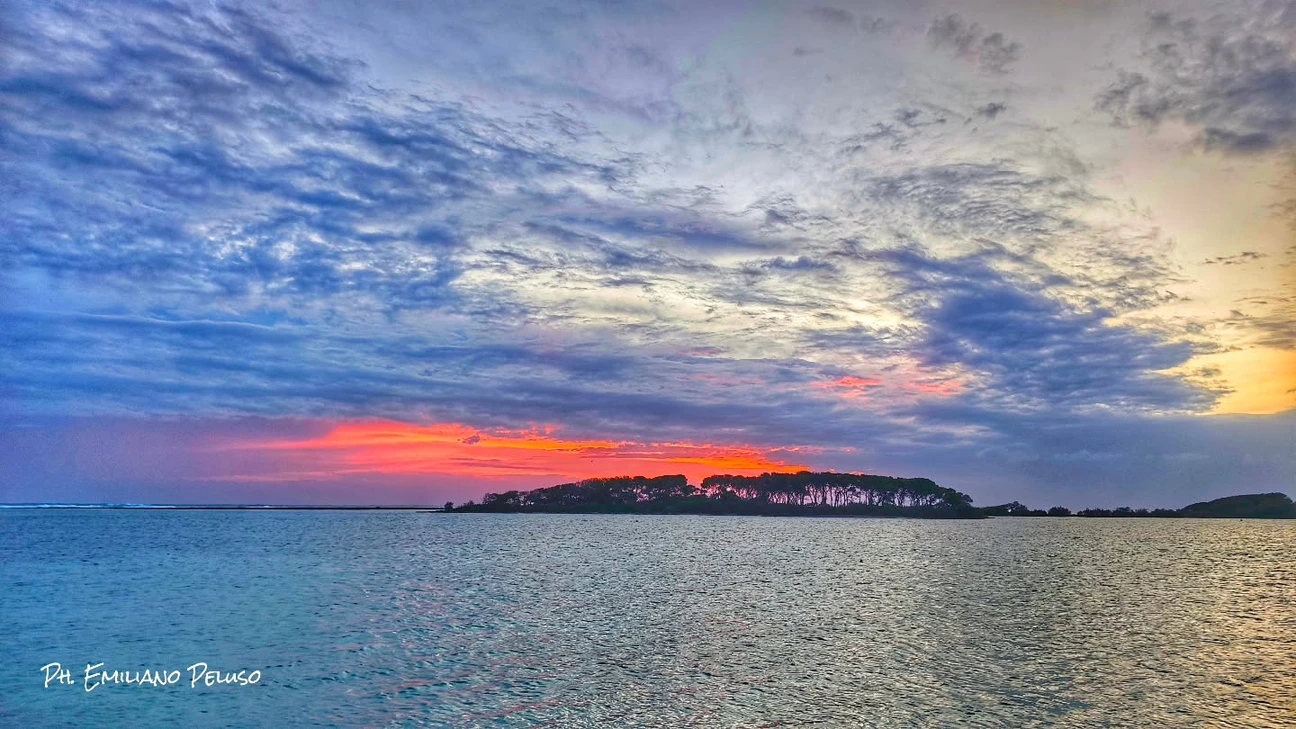
Isola Grande, known as Isola dei Conigli, lies just offshore from the town. The Municipality considers it an important landscape and ecological asset and in 2026 launched measures to protect its flora, fauna, paths and degraded areas.
Marine Protected Area and underwater heritage
The Porto Cesareo Marine Protected Area is divided into zones A, B and C, each with different levels of protection and permitted use. Zones B and C make up most of the protected area and allow various activities in accordance with conservation rules.
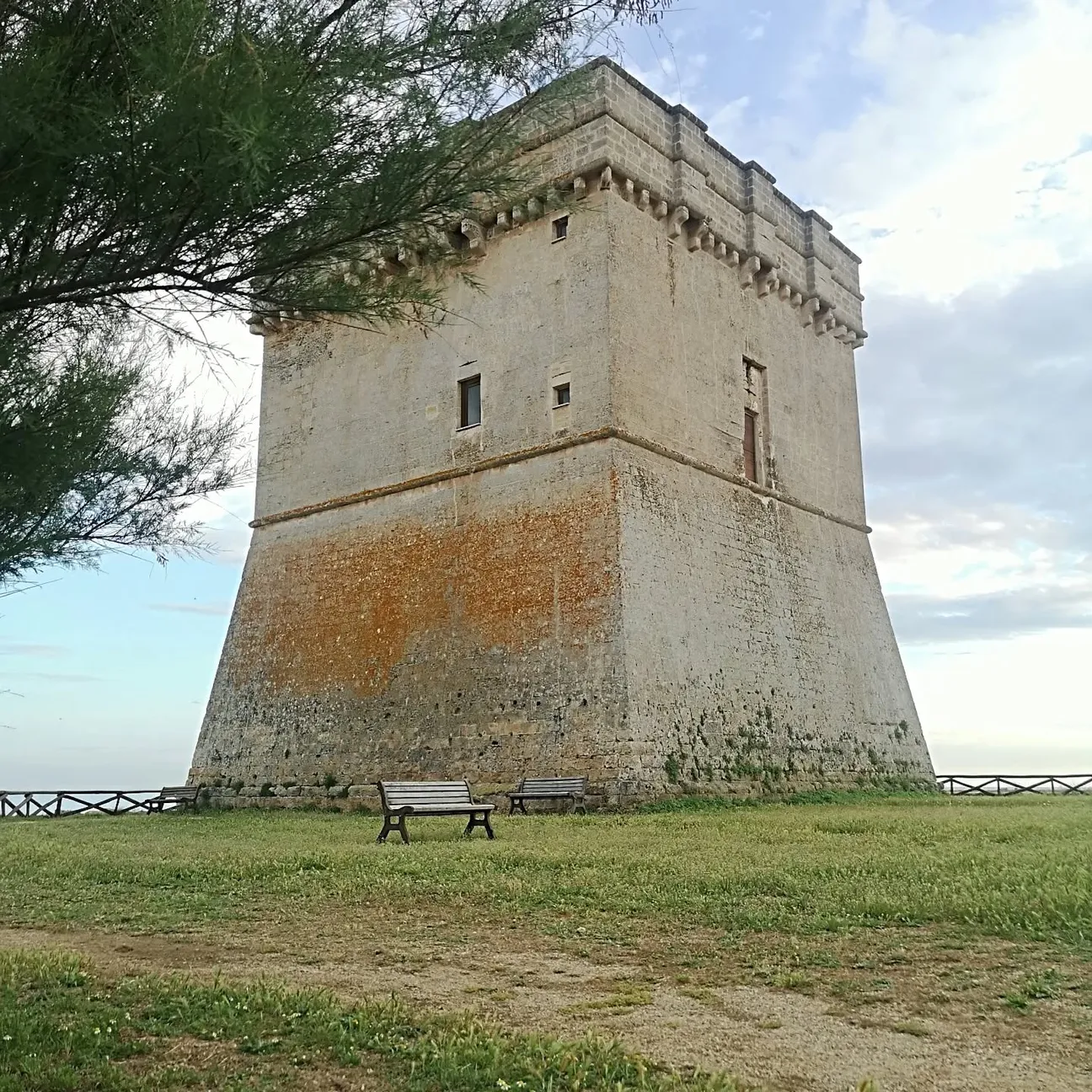
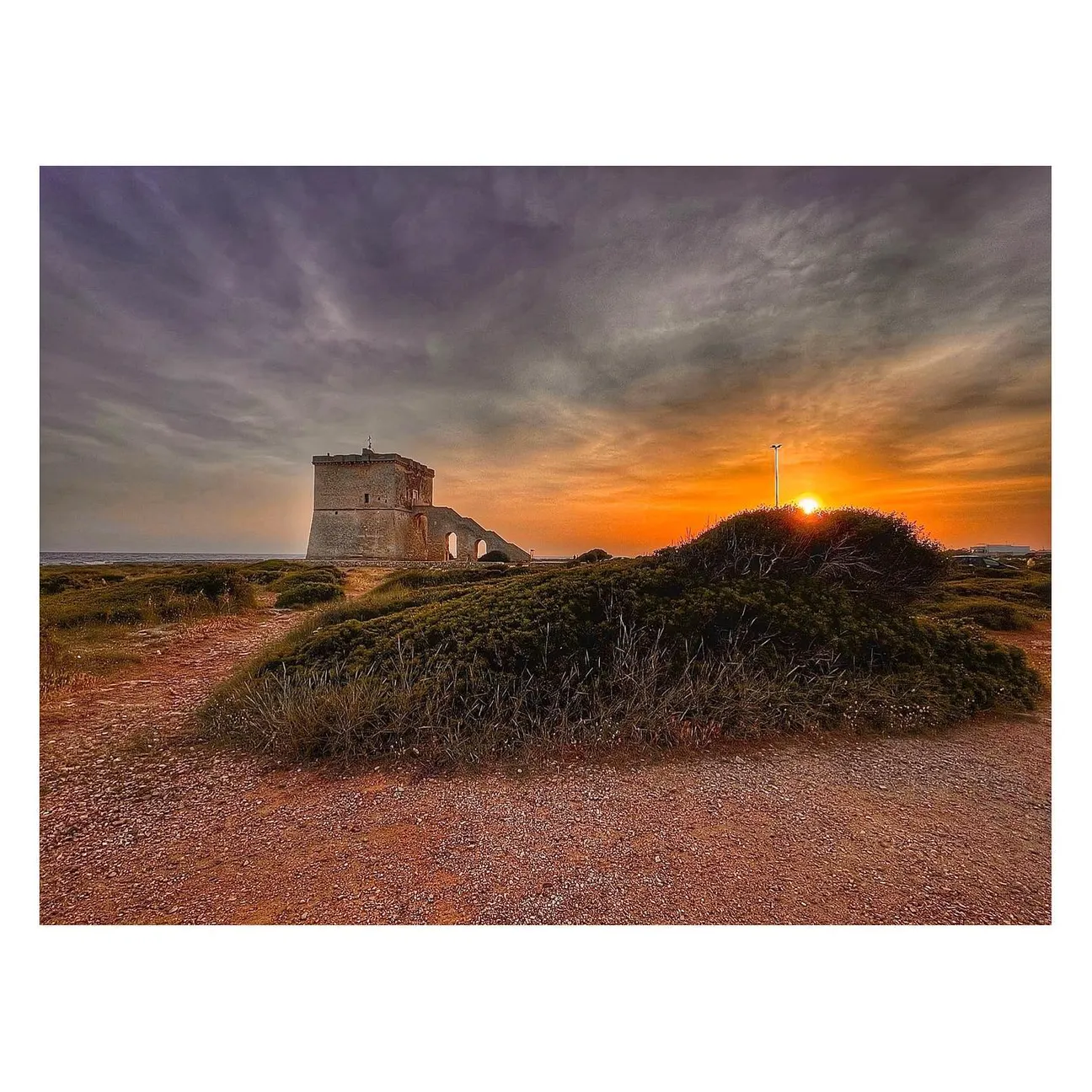
North of the town, Torre Chianca overlooks a stretch of coast associated with an underwater archaeological site containing Roman columns of cipollino marble. Scalo di Furno is another archaeological area on the coast, linked to an ancient settlement.
From Roman Cesarea to a fishing town
The Municipality records evidence of human settlement at Scala di Furno dating from the 18th to the 17th century BC. During the Roman period, this coastline had an important harbour role connected with the agricultural and pastoral activities of the Arneo area.
Construction of Torre Cesarea began in 1568 and was completed in 1570 as the principal tower of the local coastal district. After being demolished because of structural problems, it was rebuilt in 1622. Porto Cesareo became independent from the Municipality of Nardò on 20 May 1975.