Torre Chianca: what to know before you go
This is more than a historic tower: the area combines free beach, beach clubs, shallow water, underwater archaeology and one of Porto Cesareo’s best-known wind-sport sectors.
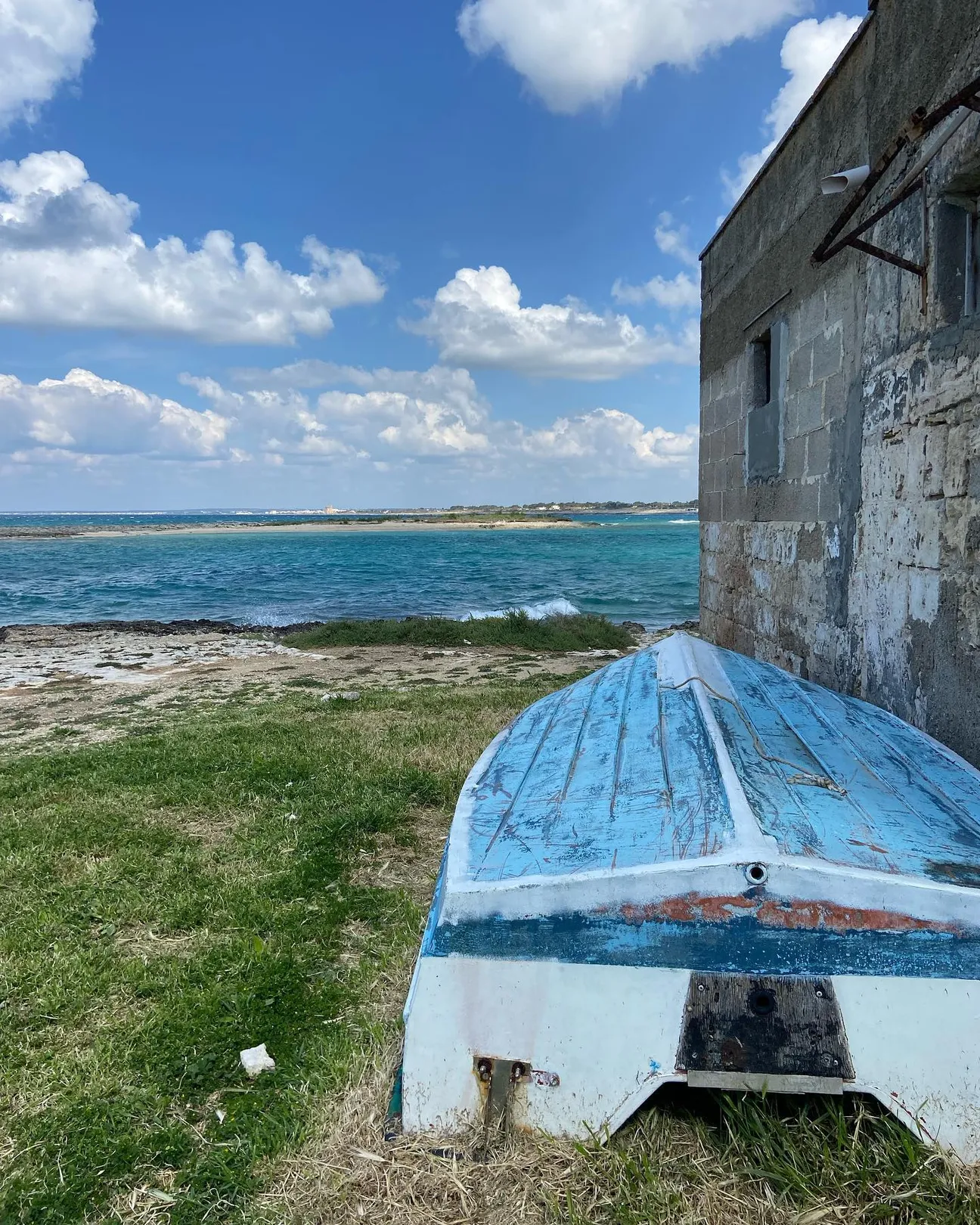
Pale sand with short rocky sections
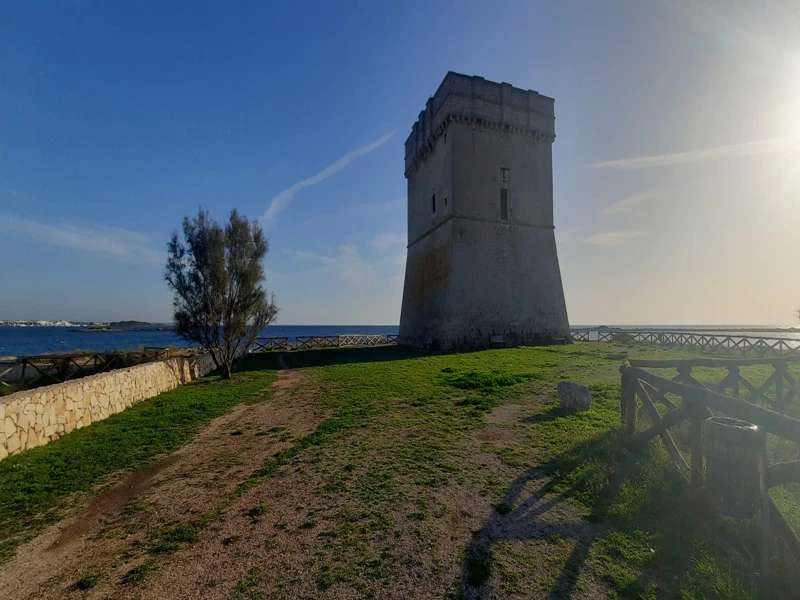
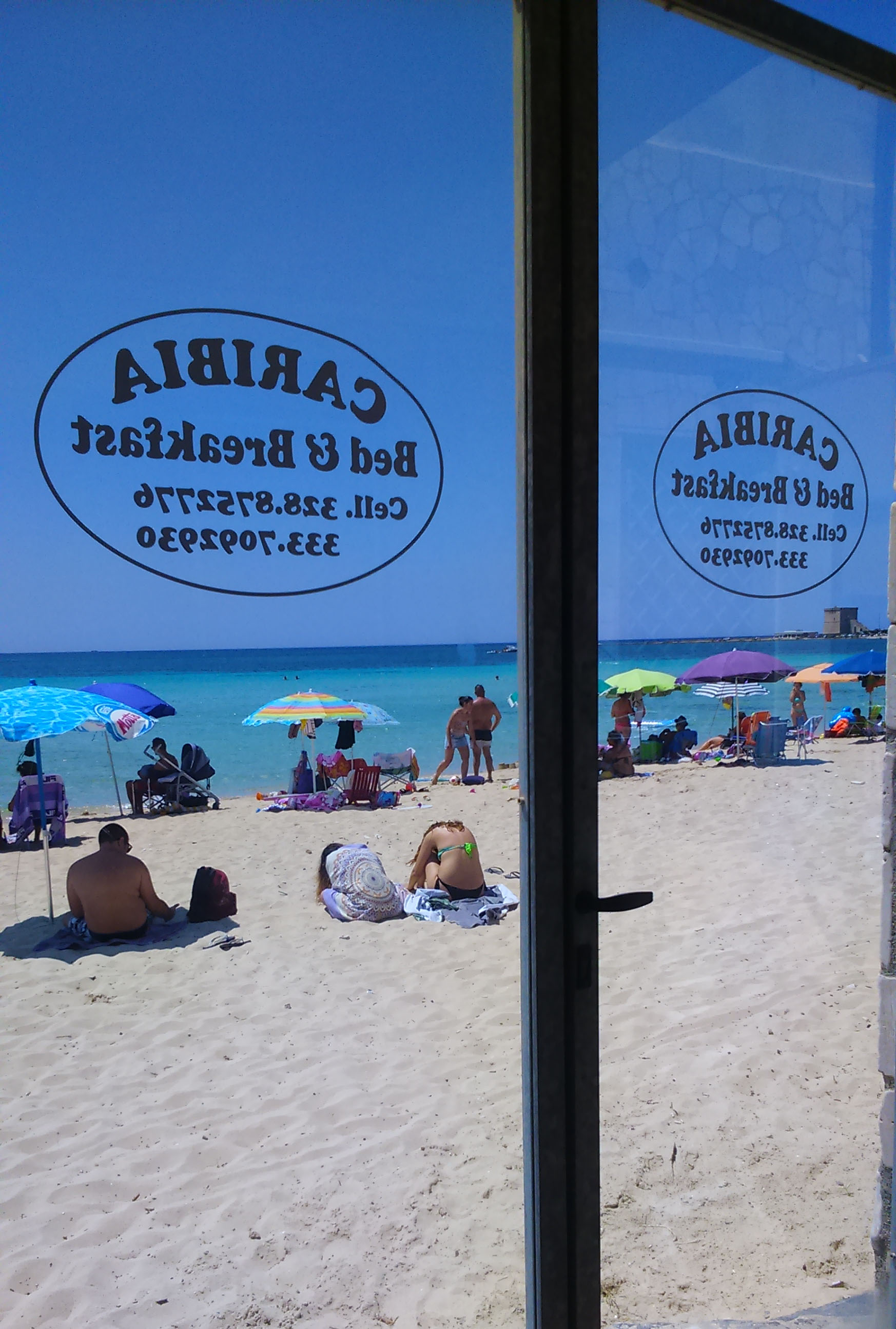
The coast around the tower alternates soft pale sand with short stretches of low rock. The tower stands on a rockier point, while the nearby coves are mainly sandy.
Choose the right section
For children or bare feet, favour the sandy areas; take more care close to the rocks.
Mostly sandy, shallow seabed
Along the beach sections the seabed is generally sandy and shallow with a gradual entry. The shape changes near the tower and rocky areas.
In the water
Do not assume the same depth along the whole bay: check the exact entry point each time.
Families: a good choice in calm conditions
Sand and shallow water make the sandy sections practical for families. On windy days, however, waves, currents and wind-sport activity can change the experience completely.
With children
Choose calmer days and stay within the bathing area, well away from kitesurf equipment.
Getting there: Bacini area, north of Porto Cesareo
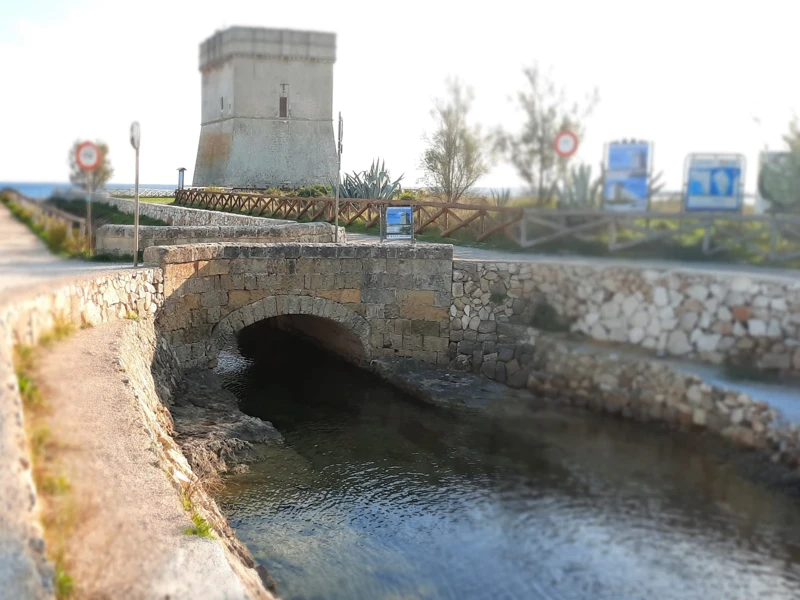
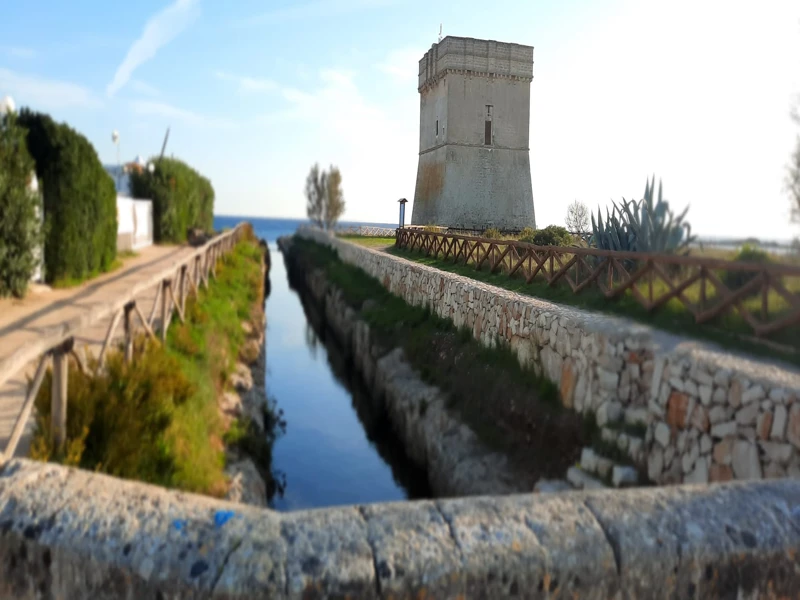
Torre Chianca is reached from Porto Cesareo’s northern coast, around Via dei Bacini/Scala di Furno, heading towards Torre Lapillo. The map pin marks the tower and the beach immediately beside it.
Check the place name
There are other places called Torre Chianca in Puglia: always enter “Torre Chianca, Porto Cesareo”.
Parking: no guaranteed space beside the tower
On the same Via dei Bacini coastal strip, Parcheggio Le Dune is a useful local reference, but it is not a dedicated Torre Chianca car park and does not guarantee a space a few metres from the beach.
Practical tip
Arrive early and follow current signs; never assume that a place shown online or used in past years is still legal to park in.
Free beach plus private services nearby
This coast alternates free sections with beach clubs offering sunbeds, umbrellas, bars and food. These services depend on private operators and the season.
Good to know
If you use the free section, bring water and essentials: toilets, showers and bars are not guaranteed public services there.
Accessibility: check the actual access point
Regional rules protect public access to the sea and provide for removable paths on free beaches where technically possible, but we found no specific confirmation of a continuous certified route right to the water at Torre Chianca.
For reduced mobility
Before travelling, check which access point is usable and whether a suitable walkway is actually in place.
Snorkelling with underwater archaeology
About 80 metres offshore, at roughly 4.5 metres depth on a sandy seabed, five Roman cipollino-marble columns are documented. The site lies within the Porto Cesareo Marine Protected Area.
Respect the heritage
Look without touching, moving or removing anything, and follow Marine Protected Area rules and sea conditions.
Kitesurf: Torre Chianca is Baia Grande’s northern landmark
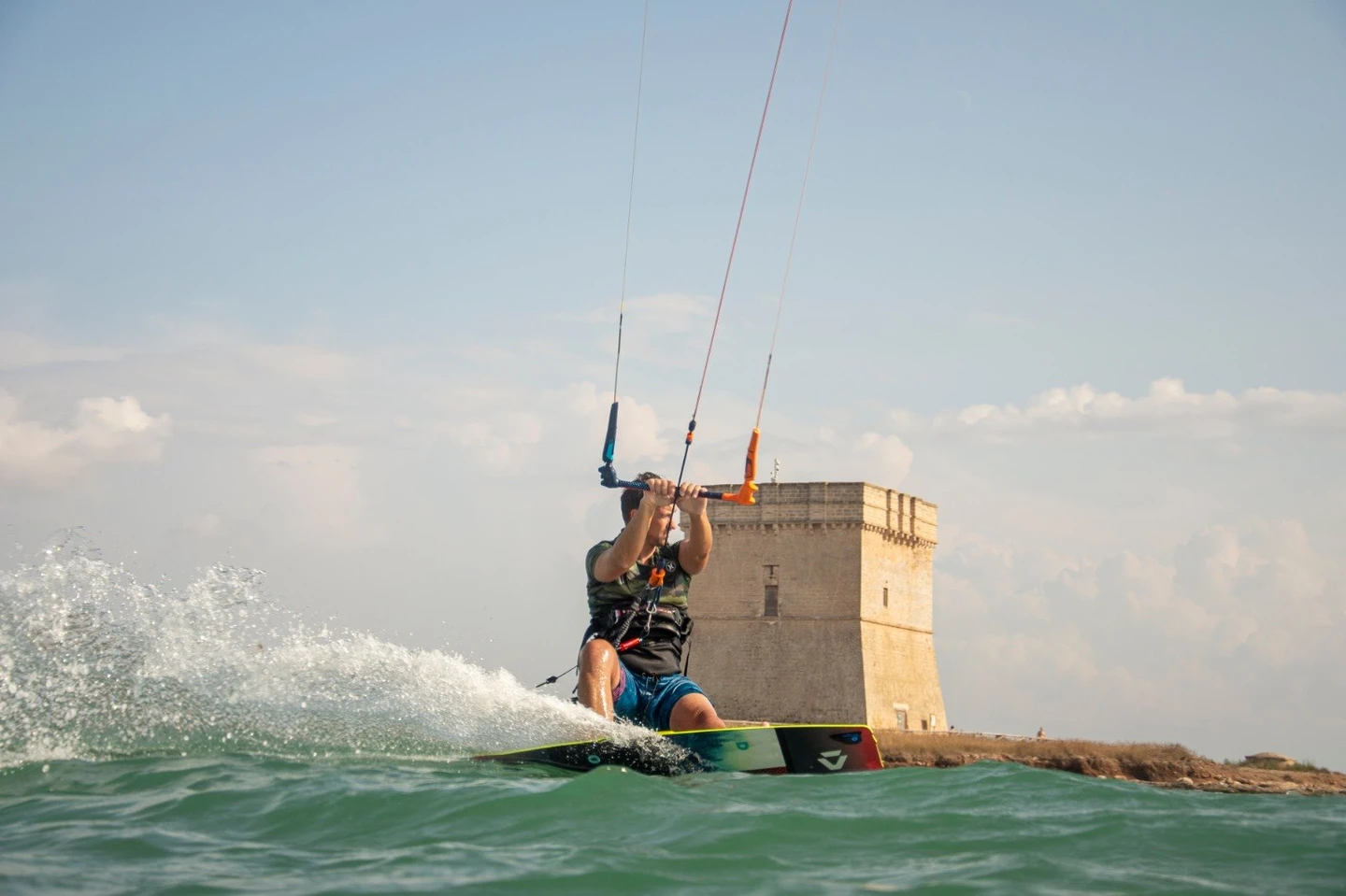
The stretch of sea between Torre Chianca and Torre Lapillo, referred to in local reporting as Baia Grande, is well known to kitesurfers. In strong wind it can become a demanding technical spot.
Not an activity to improvise
Assess wind direction, strength, waves and your actual ability; in summer, bathers make it essential to understand launch corridors, restrictions and local rules.
Kitesurf and swimmers must be kept apart
During the 2026 bathing season, from 23 May to 13 September, the sea up to 200 metres from beaches and low cliffs is ordinarily reserved for bathing, unless the Maritime Authority sets different limits. Launch corridors are subject to specific rules.
Core rule
Do not launch or return through a crowded bathing area: use only permitted access points and corridors and check current ordinances.
1 May 2026: the serious Baia Grande incident
During a kitesurf outing in strong wind, a man disappeared in the stretch between Torre Chianca and Torre Lapillo. In July, a body found at sea near Benghazi was recovered with equipment that appeared compatible, but the official 5 July statement said final identification still depended on DNA testing.
Why we mention it
This is not a judgement on the beach’s safety: it is a reminder that strong wind and rough sea demand experience, careful assessment and respect for the rules.
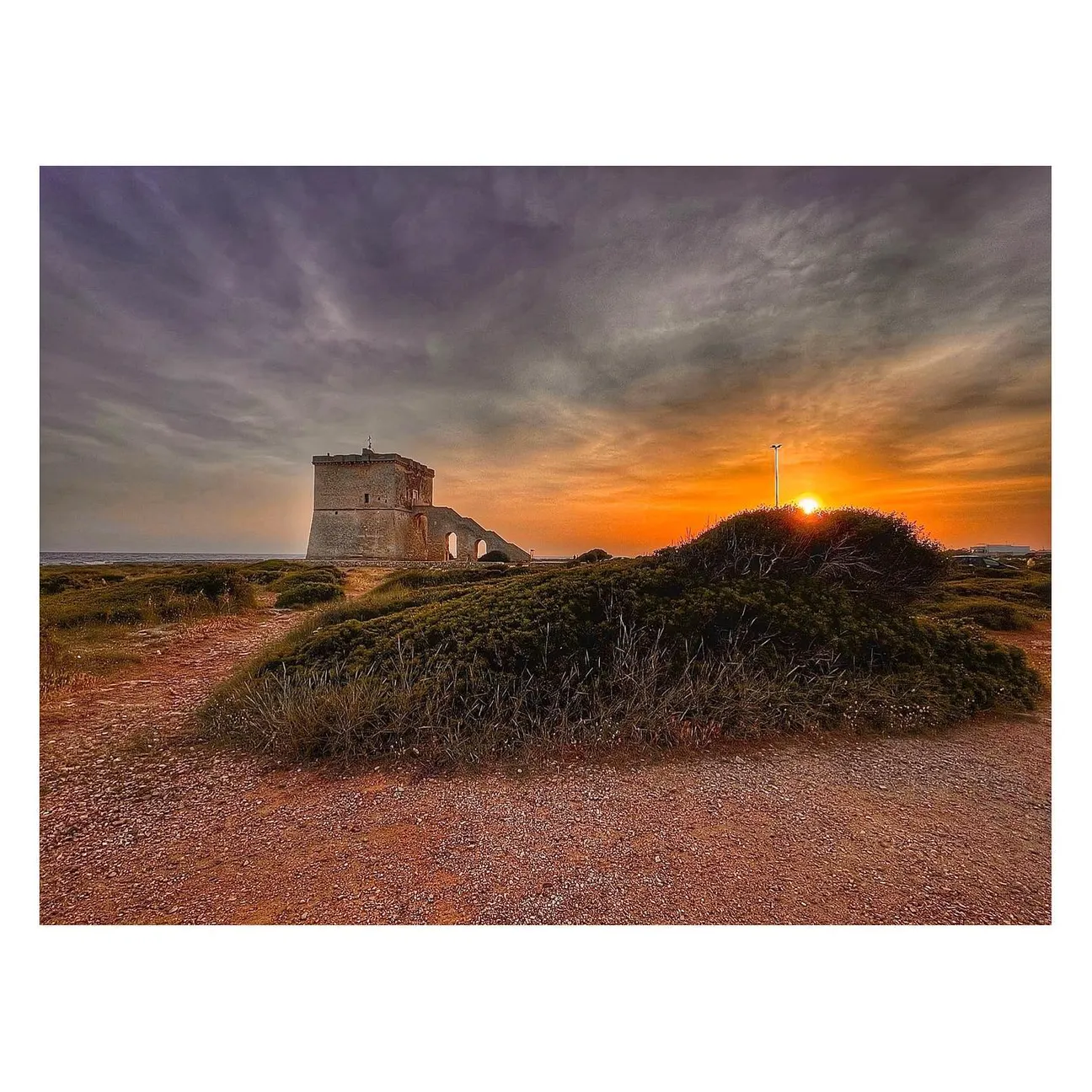
The sixteenth-century tower
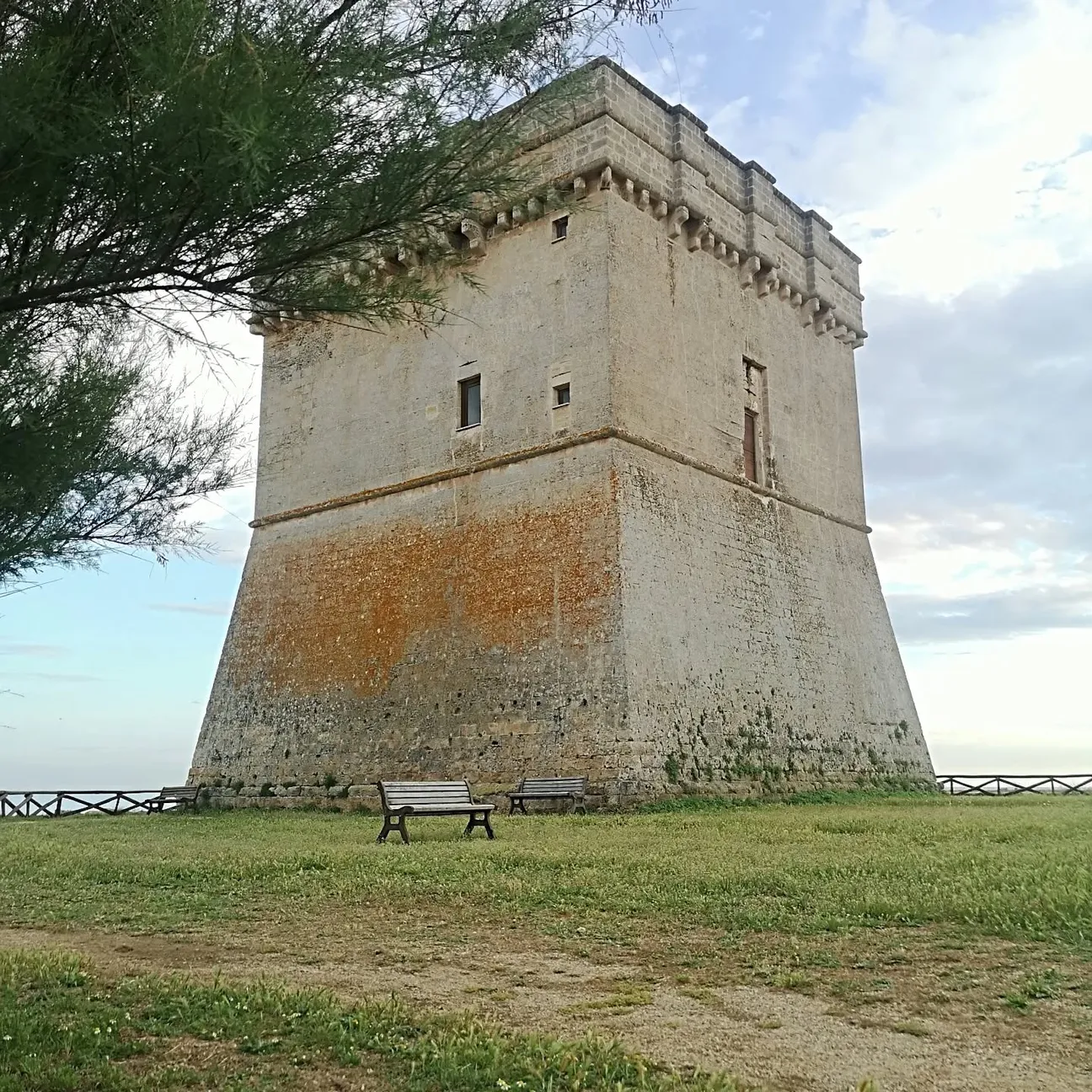
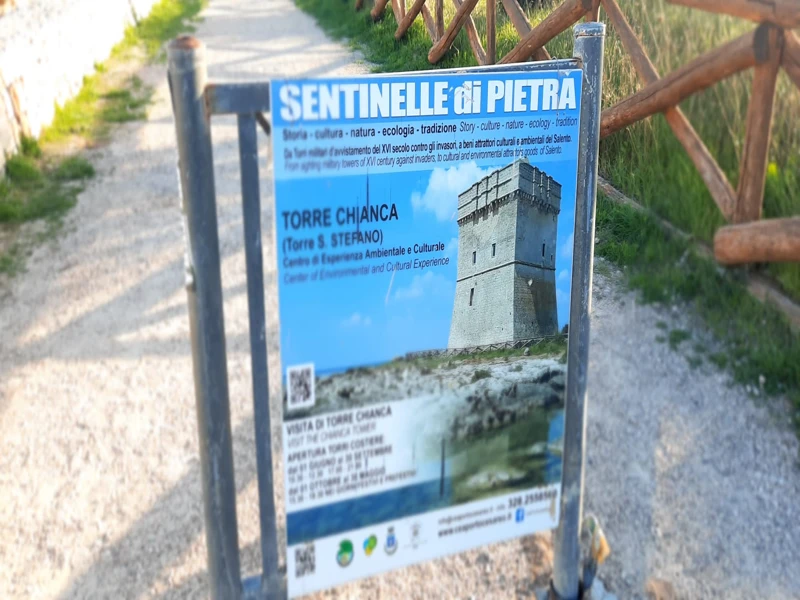
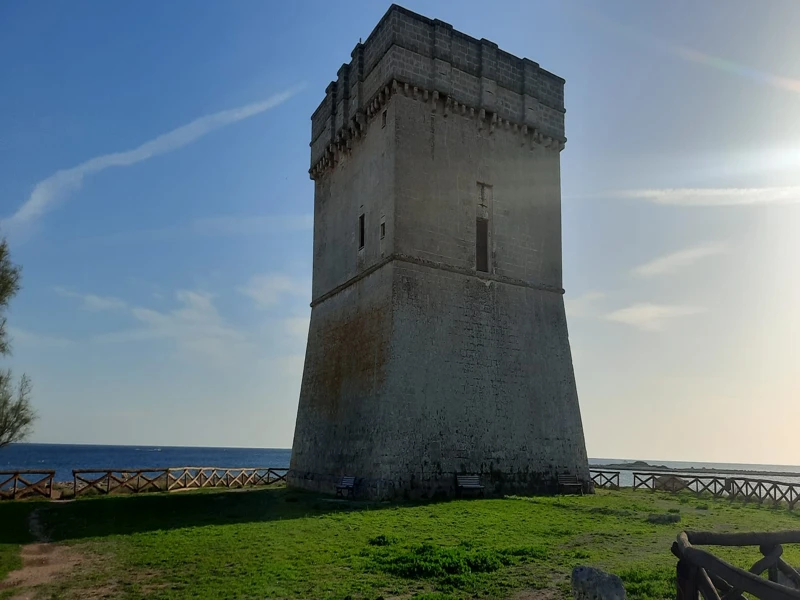
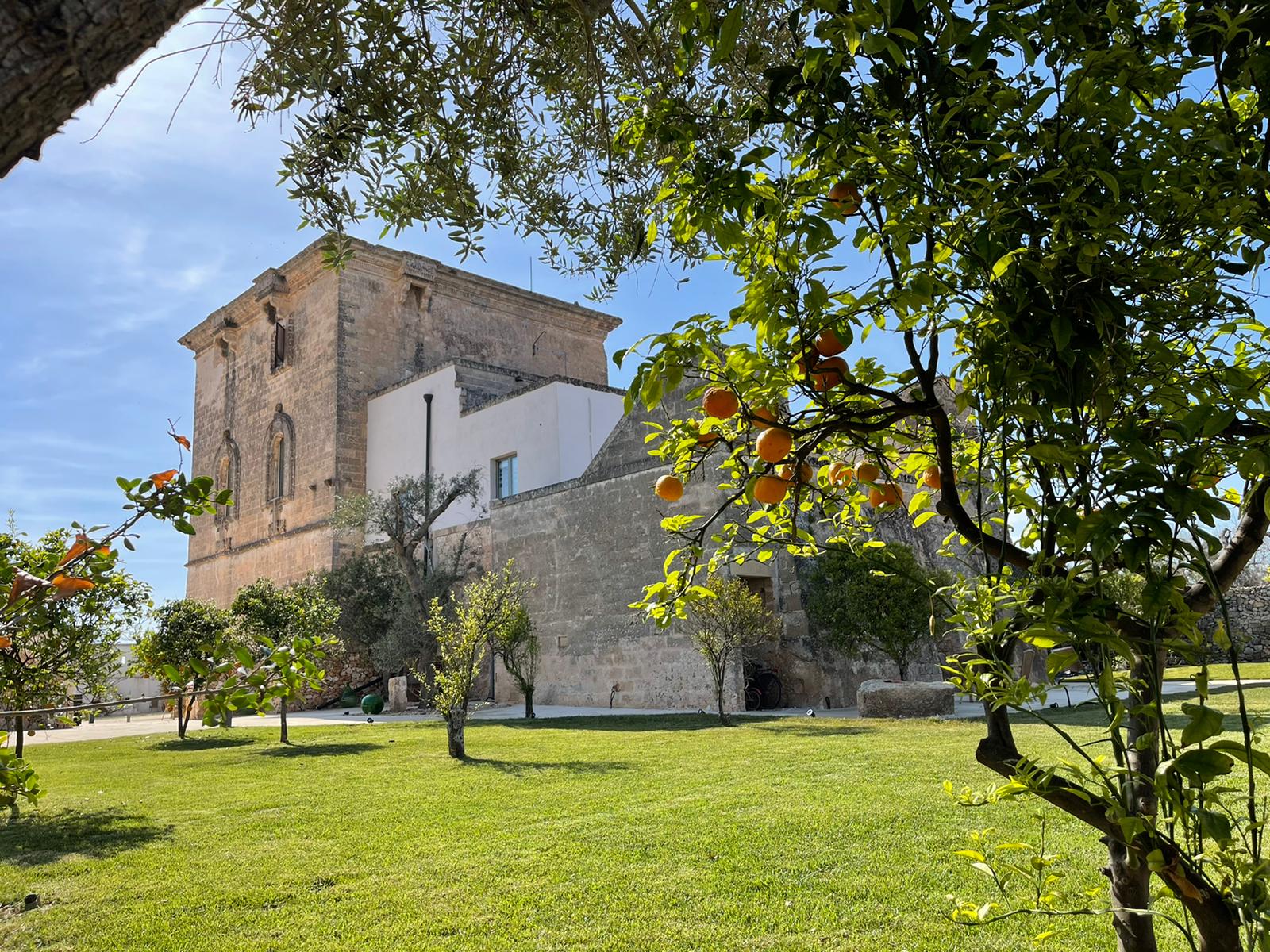
This large square lookout tower formed part of Salento’s coastal defence system. It is about 18 metres high and once communicated visually with Torre Cesarea to the south and Torre Lapillo to the north.
Avoid outdated information
We do not treat the old reference to a maritime office as current: check locally whether the building itself can be entered.
What has changed: new plans for the tower and coastal park
From 2026 a new enhancement programme has been under way: a feasibility project was approved for restoration of the tower and redevelopment of the surrounding area, including a planned archaeological garden of more than 6,000 m²; the Porto Cesareo Submerged and Coastal Park was also inaugurated in July.
Project status
An approved project does not mean every intervention is already complete: check for works and current visiting arrangements.
Crowds: variable, high at peak times
Some local guides describe Torre Chianca as less crowded than other Porto Cesareo beaches, but the Via dei Bacini corridor faces heavy summer pressure and traffic can be intense.
Best timing
In July and August, early morning is usually easier for parking, beach space and calmer conditions.
Best for
Families on calm days in sandy sections, swimmers and snorkellers, travellers who like combining sea and history, and experienced wind-sport users who understand the local rules.
Main appeal
Within a small area you can move from beach to historic tower and an important underwater archaeological site.
Less suitable for
Anyone expecting guaranteed parking beside the sea, complete quiet in peak August, or wanting to kitesurf without experience and without checking wind, ordinances and launch corridors.
In strong wind
For a simple family swim, choose a sheltered bathing section and keep well away from wind-sport activity.
What to bring
Water, sun protection, a hat and mask. Water shoes can help around rocky sections; for snorkelling use a diver marker buoy where required and respect local rules.
Before going out
Check wind and sea conditions, especially before snorkelling farther from shore or using wind-powered equipment.